 111 citations
,
March 2012 in “Expert Opinion on Drug Delivery”
111 citations
,
March 2012 in “Expert Opinion on Drug Delivery” Liposomes could improve how skin care products work but are costly and not very stable.
96 citations
,
February 2002 in “Journal of the American Academy of Dermatology” Pseudofolliculitis barbae is a chronic skin condition affecting mainly African American and Hispanic individuals, caused by shaving tightly curled hair, and managed by prevention and treatment but not curable.
 75 citations
,
January 1995 in “American journal of primatology”
75 citations
,
January 1995 in “American journal of primatology” Vervet monkeys show physical changes like hair loss and scrotal color changes due to stress or nutrition issues.
 64 citations
,
June 1992 in “International Journal of Dermatology”
64 citations
,
June 1992 in “International Journal of Dermatology” Pregnancy often causes skin changes like darkening, stretch marks, and hair growth, which may improve after childbirth.
 56 citations
,
June 1970 in “The BMJ”
56 citations
,
June 1970 in “The BMJ” Drug addicts often have scars, skin color changes, blocked veins, and bruising, with severe ulcers from barbiturate injections.
 55 citations
,
November 2004 in “Expert opinion on drug safety”
55 citations
,
November 2004 in “Expert opinion on drug safety” Chemotherapy often causes hair loss, nail changes, and mouth issues, but these are usually manageable.
 51 citations
,
February 2006 in “Clinics in Dermatology”
51 citations
,
February 2006 in “Clinics in Dermatology” Pregnant women often experience skin and hair changes, with over half getting stretch marks and pigment changes, and should be cautious with cosmetic procedures due to potential risks.
48 citations
,
August 1998 in “Journal of the American Academy of Dermatology” Retinoids help manage skin conditions in black individuals.
 47 citations
,
May 2002 in “Journal of Cutaneous Medicine and Surgery”
47 citations
,
May 2002 in “Journal of Cutaneous Medicine and Surgery” Pregnancy can cause normal skin changes that usually go away after childbirth and don't need treatment.
 35 citations
,
December 2014 in “Clinical Obstetrics and Gynecology”
35 citations
,
December 2014 in “Clinical Obstetrics and Gynecology” Most skin changes during pregnancy go away after giving birth.
32 citations
,
May 2023 in “Preprints.org” Skin pigmentation varies due to genetics, UV exposure, and medications, with treatments available but requiring medical advice.
 21 citations
,
June 2010 in “Anais Brasileiros De Dermatologia”
21 citations
,
June 2010 in “Anais Brasileiros De Dermatologia” The document reports the first Brazilian case of a girl with Becker nevus syndrome, characterized by skin changes, breast underdevelopment, and scoliosis.
 20 citations
,
October 2018 in “American Journal of Clinical Dermatology”
20 citations
,
October 2018 in “American Journal of Clinical Dermatology” Some drugs can cause skin and hair color changes, often reversible when the drug is stopped.
 18 citations
,
September 2016 in “International Journal of Molecular Sciences”
18 citations
,
September 2016 in “International Journal of Molecular Sciences” Polydeoxyribonucleotide (PDRN) may help lighten skin and treat hyperpigmentation.
 17 citations
,
April 2002 in “Contact Dermatitis”
17 citations
,
April 2002 in “Contact Dermatitis” Minoxidil 5% caused skin discoloration in a man using it for hair loss.
 16 citations
,
January 2005 in “Pediatric Dermatology”
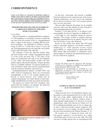
16 citations
,
January 2005 in “Pediatric Dermatology” A 10-year-old girl with Fox Fordyce disease improved with treatment, suggesting the disease can occur before puberty and might be underdiagnosed in young girls.
15 citations
,
April 2011 in “The journal of investigative dermatology/Journal of investigative dermatology” A3B5 can reduce skin pigmentation and slow melanoma growth.
14 citations
,
January 1998 in “Dermatology” Polythelia pilosa is a type of extra breast tissue with hair and should be classified as such.
13 citations
,
October 2000 in “International Journal of Dermatology” A 6-year-old boy in India was diagnosed with Bloom's syndrome, showing growth and developmental issues, and skin problems worsened by sunlight.
 12 citations
,
January 2005 in “Pediatric Dermatology”
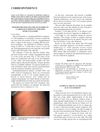
12 citations
,
January 2005 in “Pediatric Dermatology” Fox Fordyce disease might be more common in prepubertal girls than thought and can be managed with treatment.
12 citations
,
January 2021 in “Journal of Cutaneous and Aesthetic Surgery” Epidermal growth factor helps skin and hair regeneration but needs more research for better understanding.
11 citations
,
March 2004 in “Journal of Comparative Pathology” Norfolk Terriers have a genetic skin defect causing scaling and blisters due to a keratin issue.
 11 citations
,
September 2013 in “Otolaryngologic Clinics of North America”
11 citations
,
September 2013 in “Otolaryngologic Clinics of North America” The document concludes that improving the appearance of posttraumatic facial scars is possible with careful treatment and realistic expectations.
 9 citations
,
July 2010 in “British Journal of Dermatology”
9 citations
,
July 2010 in “British Journal of Dermatology” The document suggests a rare skin condition might be caused by a genetic phenomenon.
 9 citations
,
January 2005 in “Pediatric Dermatology”
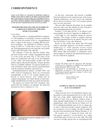
9 citations
,
January 2005 in “Pediatric Dermatology” Fox Fordyce disease can occur in prepubertal girls and may be underdiagnosed.
 9 citations
,
June 2003 in “Veterinary dermatology”
9 citations
,
June 2003 in “Veterinary dermatology” Boxer dogs may have a genetic skin condition that worsens seasonally and can be treated with certain medications.
7 citations
,
January 2008 in “Indian Journal of Dermatology” Pigmentary mosaicism causes skin color changes and can affect multiple body systems, but has no cure.
6 citations
,
December 2021 in “Journal of Clinical Medicine” LiPADI is a useful tool for monitoring the severity and treatment of lichen planus.
5 citations
,
March 1981 in “PubMed” A girl grew extra hair in areas where she had insect bites.
 5 citations
,
October 2022 in “Cosmetics”
5 citations
,
October 2022 in “Cosmetics” Cell-based models help test if cosmetic ingredients really work for hair growth and skin health.