44 citations
,
January 1997 in “British Journal of Dermatology” Stopping 5% topical minoxidil can reverse unwanted hair growth on the face and limbs.
 39 citations
,
April 2001 in “Journal of The American Academy of Dermatology”
39 citations
,
April 2001 in “Journal of The American Academy of Dermatology” Latanoprost, a glaucoma medication, caused excessive eyelid hair growth in many patients.
 26 citations
,
April 1977 in “PubMed”
26 citations
,
April 1977 in “PubMed” Minoxidil, a blood pressure drug, can cause excessive hair growth, but this can be successfully treated with a hair removal agent called calcium thioglycolate.
 24 citations
,
May 1982 in “Biochemical Pharmacology”
24 citations
,
May 1982 in “Biochemical Pharmacology” These drugs cause hair growth without affecting testosterone or adrenal hormones.
 23 citations
,
April 2004 in “American Journal of Ophthalmology”
23 citations
,
April 2004 in “American Journal of Ophthalmology” Using bimatoprost on one side of the face caused increased cheek hair growth in a patient.
 23 citations
,
April 2010 in “Clinical, cosmetic and investigational dermatology”
23 citations
,
April 2010 in “Clinical, cosmetic and investigational dermatology” Bimatoprost ophthalmic solution 0.03% safely and effectively increases eyelash growth when applied to the upper eyelid.
 22 citations
,
September 2004 in “Journal of The European Academy of Dermatology and Venereology”
22 citations
,
September 2004 in “Journal of The European Academy of Dermatology and Venereology” Bimatoprost can cause longer, thicker, darker eyelashes and eyebrows.
 21 citations
,
January 2005 in “Pediatric Dermatology”
21 citations
,
January 2005 in “Pediatric Dermatology” An 8-year-old girl with vitiligo developed extra hair growth on her knee after using tacrolimus ointment.
 18 citations
,
January 1997 in “British Journal of Dermatology”
18 citations
,
January 1997 in “British Journal of Dermatology” 5% topical minoxidil can cause severe body hair growth, which disappears after stopping treatment.
 17 citations
,
October 2013 in “F1000Research”
17 citations
,
October 2013 in “F1000Research” A 2-year-old boy grew excessive hair after using minoxidil for hair loss, but it improved when the treatment stopped.
 16 citations
,
August 2002 in “Journal of Interferon and Cytokine Research”
16 citations
,
August 2002 in “Journal of Interferon and Cytokine Research” A man developed excessive hair growth after treatment with interferon-alpha and ribavirin for hepatitis C.
 15 citations
,
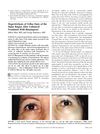
March 2004 in “American Journal of Ophthalmology”
15 citations
,
March 2004 in “American Journal of Ophthalmology” Using bimatoprost on one side of the face caused increased cheek hair growth in a patient.
15 citations
,
August 1988 in “Archives of Otolaryngology - Head and Neck Surgery” Minoxidil can cause excessive hair growth in the ear canal, leading to ear infections and hearing loss.
 14 citations
,
March 2007 in “Pediatric pulmonology”
14 citations
,
March 2007 in “Pediatric pulmonology” Inhaled steroids in children may cause excessive hair growth and not always go away after stopping the medication.
14 citations
,
January 1995 in “Archives of Physical Medicine and Rehabilitation” A patient developed excess hair and skin issues on the same side after wearing a cast.
 12 citations
,
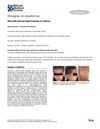
January 2014 in “The Pan African medical journal”
12 citations
,
January 2014 in “The Pan African medical journal” Minoxidil caused unwanted hair growth in a child, but stopped after stopping treatment.
 12 citations
,
February 2010 in “Journal of The American Academy of Dermatology”
12 citations
,
February 2010 in “Journal of The American Academy of Dermatology” A cancer drug caused unusual hair growth on a 100-year-old man's scalp and eyelashes.
 10 citations
,
February 2016 in “Anais Brasileiros de Dermatologia”
10 citations
,
February 2016 in “Anais Brasileiros de Dermatologia” Topical minoxidil can cause excessive hair growth in children, so use it carefully.
10 citations
,
August 2007 in “Journal der Deutschen Dermatologischen Gesellschaft” Individualized treatment plans are crucial for managing excessive hair growth.
9 citations
,
March 2008 in “British Journal of Dermatology” Efalizumab can cause unexpected excessive hair growth.
 9 citations
,
September 1947 in “Archives of dermatology and syphilology”
9 citations
,
September 1947 in “Archives of dermatology and syphilology” Electrolysis is better for permanent hair removal with less scarring.
8 citations
,
December 2006 in “Journal of Vascular Surgery” Foam sclerotherapy for varicose veins may cause unexpected hair growth.
7 citations
,
August 2024 in “JAAD reviews.” Minoxidil can cause unwanted hair growth, so personalized care and support are important.
 7 citations
,
September 2020 in “Journal of The American Academy of Dermatology”
7 citations
,
September 2020 in “Journal of The American Academy of Dermatology” Low-dose oral minoxidil for hair loss can cause mild excessive hair growth, usually appearing within the first 3 months, but it can be managed by adjusting the dose or removing the unwanted hair, with most people not needing to stop the treatment.
 7 citations
,
January 2020 in “Journal of Dermatology”
7 citations
,
January 2020 in “Journal of Dermatology” Cantu syndrome, which causes excessive hair growth and skin issues, is due to a mutation in the ABCC9 gene, and understanding this could help develop new treatments for hair diseases.
 7 citations
,
October 2006 in “Medical hypotheses”
7 citations
,
October 2006 in “Medical hypotheses” UV light might cause excessive hair growth by increasing PGE2 in the skin.
 6 citations
,
January 2013 in “Experimental dermatology”
6 citations
,
January 2013 in “Experimental dermatology” Bimatoprost increases hair growth in mice without breaking down into other substances.
6 citations
,
November 2001 in “Der Hautarzt” Photothermolysis is the best method for permanent hair removal.
5 citations
,
September 2015 in “Medical hypotheses” Topical sulfonylurea may reduce excessive hair growth caused by certain medications.
 5 citations
,
July 2014 in “Actas dermo-sifiliográficas/Actas dermo-sifiliográficas”
5 citations
,
July 2014 in “Actas dermo-sifiliográficas/Actas dermo-sifiliográficas” Latanoprost eye drops caused excessive hair growth and eyelash whitening in a woman.