 4 citations
,
November 1996 in “European journal of endocrinology”
4 citations
,
November 1996 in “European journal of endocrinology” Spironolactone may help treat excessive hair growth in girls, but more research is needed.
 45 citations
,
November 1979 in “British Journal of Dermatology”
45 citations
,
November 1979 in “British Journal of Dermatology” Minoxidil causes excessive hair growth in almost all patients.
 39 citations
,
April 2001 in “Journal of The American Academy of Dermatology”
39 citations
,
April 2001 in “Journal of The American Academy of Dermatology” Latanoprost, a glaucoma medication, caused excessive eyelid hair growth in many patients.
 12 citations
,
February 2010 in “Journal of The American Academy of Dermatology”
12 citations
,
February 2010 in “Journal of The American Academy of Dermatology” A cancer drug caused unusual hair growth on a 100-year-old man's scalp and eyelashes.
 1 citations
,
May 2006 in “Expert Opinion on Therapeutic Patents”
1 citations
,
May 2006 in “Expert Opinion on Therapeutic Patents” No FDA-approved treatments for chemotherapy-induced hair loss existed in 2006; more research was needed.
 October 2025 in “International Journal of Advanced Research in Science Communication and Technology”
 Minoxidil effectively promotes hair growth, especially in a 5% solution, but requires continuous use.
 4 citations
,
January 1987 in “Annual reports in medicinal chemistry”
4 citations
,
January 1987 in “Annual reports in medicinal chemistry” New treatments for skin diseases are more effective and patient-friendly, but many still lack a cure.
 January 2020 in “Elsevier eBooks”
 Plant-based chemicals may help hair growth and prevent hair loss but need more research to compete with current treatments.
 29 citations
,
March 2015 in “Journal of Investigative Dermatology”
29 citations
,
March 2015 in “Journal of Investigative Dermatology” Cyclosporine A promotes hair growth and prolongs the active growth phase in human hair follicles, but may work differently than in rodents.
 1 citations
,
January 2005 in “Side effects of drugs annual”
1 citations
,
January 2005 in “Side effects of drugs annual” The document concluded that various dermatological treatments have different effectiveness and side effects, with some causing irritation, allergic reactions, or systemic effects.
 1 citations
,
January 2015 in “Side effects of drugs annual”
1 citations
,
January 2015 in “Side effects of drugs annual” The document concludes that various dermatological treatments and drugs can cause skin reactions and side effects.
 January 2011 in “Side effects of drugs annual”
 Tretinoin gel is safe for sun exposure, but tacalcitol doesn't significantly improve non-segmental vitiligo.
 67 citations
,
October 2005 in “Annals of Oncology”
67 citations
,
October 2005 in “Annals of Oncology” Fulvestrant is a well-tolerated new treatment for advanced breast cancer that may delay chemotherapy.
5 citations
,
September 2015 in “Medical hypotheses” Topical sulfonylurea may reduce excessive hair growth caused by certain medications.
January 2015 in “Annals of dermatology/Annals of Dermatology” Using travoprost for glaucoma may cause extra hair growth and darker skin around the eyes, but these effects can reverse after stopping the drug.
 102 citations
,
September 1977 in “The Lancet”
102 citations
,
September 1977 in “The Lancet” Minoxidil with propranolol and diuretics lowers blood pressure but causes fluid retention and hair growth.
 17 citations
,
April 1975 in “The Journal of Pediatrics”
17 citations
,
April 1975 in “The Journal of Pediatrics” Minoxidil effectively controls severe high blood pressure in children with few side effects.
 13 citations
,
April 2009 in “Acta Medica Scandinavica”
13 citations
,
April 2009 in “Acta Medica Scandinavica” Minoxidil lowers blood pressure and causes hair growth, with some side effects.
4 citations
,
March 2011 in “European Journal of Dermatology” Trauma can cause fat inflammation and abnormal hair growth.
 2 citations
,
October 2016
2 citations
,
October 2016 Chemotherapy and radiotherapy can cause skin side effects like rashes, hair loss, and nail changes, which are usually managed with conservative treatments.
 May 1994 in “Reactions Weekly”
 Many medications can cause hair loss or excessive hair growth, which is usually reversible after stopping the drug.
 76 citations
,
August 2018 in “International Journal of Cosmetic Science”
76 citations
,
August 2018 in “International Journal of Cosmetic Science” Dermal Papilla cells are a promising tool for evaluating hair growth treatments.
 34 citations
,
April 2009 in “Skin Pharmacology and Physiology”
34 citations
,
April 2009 in “Skin Pharmacology and Physiology” Minoxidil affects cell growth in two ways: low doses increase growth, while high doses slow it down and can be toxic.
 11 citations
,
May 1990 in “Journal of Dermatological Science”
11 citations
,
May 1990 in “Journal of Dermatological Science” Diazoxide applied to the skin can increase hair growth without harmful side effects.
 96 citations
,
October 1981 in “Drugs”
96 citations
,
October 1981 in “Drugs” Minoxidil effectively treats severe hypertension but may cause side effects, so careful monitoring is needed.
 40 citations
,
August 2006 in “Current Drug Safety”
40 citations
,
August 2006 in “Current Drug Safety” Some drugs can cause hair loss, excessive growth, or color changes, often reversible but sometimes permanent.
 36 citations
,
July 1977 in “The Journal of Pediatrics”
36 citations
,
July 1977 in “The Journal of Pediatrics” Minoxidil helps lower blood pressure in kids with severe hypertension, but may cause temporary excessive hair growth.
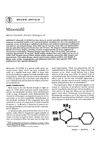 11 citations
,
January 1980 in “Southern Medical Journal”
11 citations
,
January 1980 in “Southern Medical Journal” Minoxidil effectively treats severe hypertension but has notable side effects.
 9 citations
,
May 2008 in “Journal of Clinical Oncology”
9 citations
,
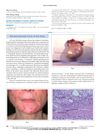
May 2008 in “Journal of Clinical Oncology” A woman's ovarian tumor causing high testosterone was successfully removed, and her symptoms improved.
 2 citations
,
January 2013 in “Elsevier eBooks”
2 citations
,
January 2013 in “Elsevier eBooks” The document explains the genetic causes and characteristics of inherited hair disorders.