117 citations
,
February 1996 in “International Journal of Dermatology” A 300 mg monthly pulse of prednisolone effectively and safely treats widespread alopecia areata.
20 citations
,
March 2021 in “Drug design, development and therapy” Topical immunotherapy can treat alopecia areata, but its effectiveness varies and the exact mechanism is unclear.
 2 citations
,
January 2005 in “The Japanese Journal of Veterinary Dermatology”
2 citations
,
January 2005 in “The Japanese Journal of Veterinary Dermatology” Abnormal adrenal function is not the cause of alopecia in Pomeranians; it may be due to breed-specific hormones.
 62 citations
,
March 2011 in “European journal of endocrinology”
62 citations
,
March 2011 in “European journal of endocrinology” Some parents have a mild form of congenital adrenal hyperplasia without symptoms, and they usually don't need treatment.
 1 citations
,
August 2012 in “Journal der Deutschen Dermatologischen Gesellschaft”
1 citations
,
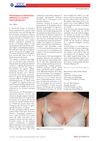
August 2012 in “Journal der Deutschen Dermatologischen Gesellschaft” A woman's hyperandrogenism was caused by a genetic mutation leading to non-classic adrenogenital syndrome.
1 citations
,
April 1990 in “PubMed” Alopecia areata causes unpredictable hair loss and is hard to treat.
 July 1994 in “Annals of Pharmacotherapy”
 Cromolyn sodium's effectiveness for treating asthma in children under 2 is unclear, possibly more beneficial for older children, and further research is needed.
January 2002 in “대한피부과학회지” Cyclosporine combined with other treatments can help hair regrow in severe alopecia areata, but it may cause side effects.
 April 2024 in “International Journal of Research Publication and Reviews”
 Alopecia areata causes hair loss with varied treatment responses and frequent relapses.
 March 2026 in “Frontiers in Medicine”
 Different types of alopecia cause hair loss due to immune system issues, with some allowing regrowth and others causing permanent loss.
 21 citations
,
November 1981 in “Archives of Dermatology”
21 citations
,
November 1981 in “Archives of Dermatology” Ashy dermatosis may be linked to atopy and thyroid disease and can be treated with topical steroids.
 20 citations
,
May 1985 in “British journal of nutrition”
20 citations
,
May 1985 in “British journal of nutrition” Dietary essential fatty acids improved skin and hair conditions and partially corrected fat composition in diabetic mice.
 September 2009 in “Journal of the Dermatology Nurses’ Association”
 Hair loss significantly affects quality of life, wet combing is better than visual inspection for finding head lice, many with oral lichen planus have allergies, and wet wraps with steroids quickly improve itchy skin conditions.
June 2017 in “Journal of the American Academy of Dermatology” The new cream is safe and effective for mild to moderate atopic dermatitis.
 17 citations
,
October 2003 in “Contact dermatitis”
17 citations
,
October 2003 in “Contact dermatitis” Glycerin in hand cream can cause allergic skin reactions.
 November 2014 in “Prescriber”
 The 16-year-old girl with hair loss was successfully treated for alopecia areata, leading to significant hair regrowth.

The ketogenic diet might improve certain skin conditions, but more research is needed to confirm its effectiveness.
 October 2024 in “Hippocrates Medical Journal”
 Eating disorders often cause skin issues, which can help in early diagnosis and treatment.
 15 citations
,
January 2010 in “Experimental Dermatology”
15 citations
,
January 2010 in “Experimental Dermatology” Hair loss in certain young mice is linked to a specific gene and can be caused by lack of iron.
 January 2020 in “Frontiers in Medical Case Reports”
 A dog developed skin issues from too many steroids, but reducing steroids and using a specific treatment fixed the problems.
 January 2003 in “Reactions Weekly”
 Lowering the dose of cyclosporin caused hair loss that didn't improve even when the dose was increased again.
5 citations
,
October 2012 in “Veterinary Pathology” A Doberman Pinscher had a rare form of autoimmune disease causing hair loss and other severe symptoms.
 August 2025 in “International Journal of Research in Dermatology”
 Increasing zinc intake improved skin and hair symptoms in a rare genetic disorder.
7 citations
,
August 2008 in “Immunogenetics” A gene mutation in mice causes increased mast cells and disorganized hair follicles in their skin.
 November 2022 in “Journal of the Endocrine Society”
 Always consider xanthomatous hypophysitis before deciding on pituitary surgery.
5 citations
,
October 2025 in “Expert Review of Clinical Immunology” New treatments for alopecia areata focus on targeting immune responses for better results.
20 citations
,
February 2004 in “Clinical & Experimental Immunology” SADBE treatment led to complete hair regrowth in mice with alopecia areata by altering immune cell movement.

TrichoSolTM is safe for hair loss treatments with specific ingredient stability for up to 180 days.
4 citations
,
October 2020 in “The journal of investigative dermatology. Symposium proceedings/The Journal of investigative dermatology symposium proceedings” IL-4 and IL-13 might play a role in a type of hair loss similar to alopecia areata.