 June 2025 in “The Journal of Dermatology”
 Baricitinib is effective and safe for long-term treatment of severe alopecia areata.
4 citations
,
June 2025 in “Cell Reports” Clonally expanded CD8+ T cells cause alopecia areata.
2 citations
,
June 2025 in “Journal of Investigative Dermatology” CD8+ T cells re-expressing CD45RA may predict treatment resistance in severe alopecia areata.

New hair regrowth therapies show promise but need more research.
2 citations
,
May 2025 in “Archives of Dermatological Research” JAK inhibitors do not increase cancer risk in severe alopecia areata compared to traditional treatments.
 8 citations
,
May 2025 in “Dermatology and Therapy”
8 citations
,
May 2025 in “Dermatology and Therapy” Local corticosteroids can help with alopecia areata, but hair loss often returns after stopping treatment.
1 citations
,
April 2025 in “Skin Health and Disease” Combining delgocitinib ointment with excimer laser can effectively treat severe alopecia areata.
2 citations
,
March 2025 in “International Journal of Dermatology” Tralokinumab successfully treated alopecia areata in a patient with atopic dermatitis.
 February 2025 in “PubMed”
 Alopecia areata cases have increased globally, affecting mostly women aged 30-34, with links to other health issues.
 January 2025 in “ACS Applied Materials & Interfaces”
 Nanoparticles with specific drugs can help regrow hair in alopecia areata.
4 citations
,
December 2024 in “Archives of Dermatological Research” 5 citations
,
December 2024 in “Anais Brasileiros de Dermatologia” Treat alopecia areata with personalized plans, using corticosteroids for mild cases and Janus Kinase inhibitors for severe cases, while also offering psychological support.
20 citations
,
October 2024 in “British Journal of Dermatology” The guideline provides recommendations for managing alopecia areata effectively.
 7 citations
,
October 2024 in “Frontiers in Immunology”
7 citations
,
October 2024 in “Frontiers in Immunology” A humanized CXCL12 antibody may delay and treat alopecia areata by altering the immune response.
7 citations
,
October 2024 in “Journal of the American Academy of Dermatology” Continued ritlecitinib treatment helps sustain hair regrowth in alopecia areata patients.
12 citations
,
October 2024 in “Expert Opinion on Drug Discovery” New, effective treatments for alopecia areata require innovative approaches targeting the immune system.
3 citations
,
October 2024 in “Experimental Dermatology” Higher CRHR1 levels in AA patients lead to increased inflammation.
11 citations
,
September 2024 in “American Journal of Clinical Dermatology” Switching JAK inhibitors or using dupilumab may help some alopecia areata patients who don't respond well to initial treatments.
 August 2024 in “JAMA Dermatology”
 Continuous baricitinib is needed to keep hair regrowth in severe alopecia areata.
Alopecia areata patients show increased inflammation and OX40 activation, suggesting a new treatment target.
 August 2024 in “Current Protocols”
 The C3H/HeJ mouse model is useful for studying and testing treatments for alopecia areata.
63 citations
,
July 2024 in “Journal of the American Academy of Dermatology” Deuruxolitinib effectively promotes hair regrowth in adults with alopecia areata.
 1 citations
,
July 2024 in “PharmacoEconomics - Open”
1 citations
,
July 2024 in “PharmacoEconomics - Open” The EQ-5D-5L tool may not accurately measure the impact of alopecia areata on patients' lives.
 July 2024 in “Dermatology and Therapy”
 Darker hair colors may increase the risk of alopecia areata, while lighter hair colors may decrease it.
2 citations
,
June 2024 in “Journal of Clinical Medicine” Alopecia Areata can affect nails, often improving on its own, but JAK inhibitors may help.
45 citations
,
May 2024 in “International Journal of Molecular Sciences” Alopecia areata is caused by immune attacks on hair follicles, affecting hair growth and quality of life.
10 citations
,
April 2024 in “International Journal of Molecular Sciences” Gut bacteria differences may influence alopecia areata.
 April 2024 in “Frontiers in pharmacology”
 Brepocitinib 30mg is most effective for moderate-to-severe alopecia areata, but ritlecitinib 50mg may offer a better balance of safety and effectiveness.
 March 2024 in “Dermatology and therapy”
 AA patients with comorbid conditions face more severe hair loss and need specific treatments.
6 citations
,
March 2024 in “Therapeutic Delivery” Nanoparticle drug delivery could improve alopecia areata treatment.
 March 2024 in “Clinical, cosmetic and investigational dermatology”
 Upadacitinib may effectively treat alopecia areata without side effects.
 February 2024 in “Folia Medica”
 Platelet-rich plasma treatment is effective for hair loss in patients regardless of their thyroid antibody levels.
 February 2024 in “Curēus”
 Secukinumab can cause hair loss, which may improve after stopping the medication.
9 citations
,
January 2024 in “International Journal of Dermatology” Tralokinumab may help improve symptoms of atopic dermatitis and alopecia areata.
 21 citations
,
January 2024 in “Science Immunology”
21 citations
,
January 2024 in “Science Immunology” Regulatory T cells protect hair follicle stem cells by maintaining immune privilege in the skin.
 4 citations
,
January 2024 in “JEADV. Journal of the European Academy of Dermatology and Venereology/Journal of the European Academy of Dermatology and Venereology”
4 citations
,
January 2024 in “JEADV. Journal of the European Academy of Dermatology and Venereology/Journal of the European Academy of Dermatology and Venereology” Baricitinib and ritlecitinib are recommended for severe alopecia areata, with other treatments available off-label.
2 citations
,
January 2024 in “BioMed Research International” Patients with alopecia areata and eosinophilia have more nail issues and severe hair loss.
 4 citations
,
November 2023 in “Frontiers in immunology”
4 citations
,
November 2023 in “Frontiers in immunology” New treatments targeting T-cell pathways are needed for better alopecia areata management.
 1 citations
,
October 2023 in “Clinical, cosmetic and investigational dermatology”
1 citations
,
October 2023 in “Clinical, cosmetic and investigational dermatology” Tofacitinib improved hair loss and skin symptoms in a patient after secukinumab caused hair loss.
 1 citations
,
September 2023 in “JAAD case reports”
1 citations
,
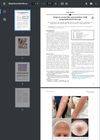
September 2023 in “JAAD case reports” Mogamulizumab, a skin cancer drug, may cause hair loss similar to alopecia areata.
 September 2023 in “British Journal of Dermatology”
 Hair regrowth from severe alopecia areata treatment with baricitinib can vary, with faster results in those with shorter hair loss duration.
 August 2023 in “Dermatology and Therapy”
 Experts recommend personalized treatment plans for best outcomes in managing Alopecia Areata.
19 citations
,
August 2023 in “Journal of Dermatological Treatment” Abrocitinib may effectively treat stubborn alopecia universalis.
 August 2023 in “European journal of dermatology/EJD. European journal of dermatology”
 Combining topical delgocitinib with a 308-nm excimer laser can effectively treat severe alopecia areata and vitiligo.
23 citations
,
July 2023 in “Proceedings of the National Academy of Sciences” CD8+ T cells drive alopecia areata, while regulatory T cells are protective.
 2 citations
,
June 2023 in “Indian journal of dermatology, venereology, and leprology”
2 citations
,
June 2023 in “Indian journal of dermatology, venereology, and leprology” Janus kinase inhibitors can regrow hair in alopecia areata but may cause side effects and hair loss may return if treatment stops.
3 citations
,
June 2023 in “Frontiers in Medicine” A new model uses specific blood markers to predict if children's hair loss will return.
 40 citations
,
June 2023 in “Dermatology and Therapy”
40 citations
,
June 2023 in “Dermatology and Therapy” Alopecia Areata causes emotional stress and stigma, but those with severe hair loss may adapt better.
4 citations
,
June 2023 in “Frontiers in immunology” JAK inhibitors help hair regrowth in alopecia areata but have a high risk of side effects.
 2 citations
,
June 2023 in “Skin Research and Technology”
2 citations
,
June 2023 in “Skin Research and Technology” Yellow dots and short vellus hairs are the most common signs of Alopecia Areata (AA), and trichoscopy can help diagnose AA and track treatment progress.
 May 2023 in “Frontiers in Immunology”
 Treg cell-based therapies might help treat hair loss from alopecia areata, but more research is needed to confirm safety and effectiveness.
9 citations
,
April 2023 in “Experimental Dermatology” Allergen desensitization reduces hair loss severity in dust-mite allergic alopecia areata patients.
 4 citations
,
April 2023 in “Autoimmunity reviews”
4 citations
,
April 2023 in “Autoimmunity reviews” High levels of IL6 and CRP, and low levels of vitamin D, might be indicators of alopecia areata.
 1 citations
,
April 2023 in “Frontiers in Immunology”
1 citations
,
April 2023 in “Frontiers in Immunology” New treatments for hair loss from alopecia areata may include targeting immune cells, using stem cells, balancing gut bacteria, applying fatty acids, and using JAK inhibitors.
 7 citations
,
April 2023 in “Frontiers in immunology”
7 citations
,
April 2023 in “Frontiers in immunology” Oral baricitinib and ruxolitinib are effective and safe for treating alopecia areata.
227 citations
,
April 2023 in “The Lancet” Ritlecitinib effectively treats alopecia areata and is well-tolerated.
 April 2023 in “Journal of the American Academy of Dermatology”
 Switching between the medications tofacitinib and baricitinib can be effective for treating hair loss in alopecia areata.
 2 citations
,
April 2023 in “JEADV. Journal of the European Academy of Dermatology and Venereology/Journal of the European Academy of Dermatology and Venereology”
2 citations
,
April 2023 in “JEADV. Journal of the European Academy of Dermatology and Venereology/Journal of the European Academy of Dermatology and Venereology” JAK-inhibitors for alopecia areata are generally safe with mostly mild side effects and a low rate of treatment withdrawal.
 3 citations
,
March 2023 in “JAAD case reports”
3 citations
,
March 2023 in “JAAD case reports” Upadacitinib cleared scalp alopecia areata in three patients and also improved atopic dermatitis with minimal side effects.
 1 citations
,
March 2023 in “Clinical, Cosmetic and Investigational Dermatology”
1 citations
,
March 2023 in “Clinical, Cosmetic and Investigational Dermatology” Current treatments for Alopecia Areata have mixed success, and there's a need for better, more accessible options and support for affected individuals.
30 citations
,
February 2023 in “Journal of Investigative Dermatology” OX40-targeted therapies may help treat skin diseases by reducing inflammation and balancing immune responses.
18 citations
,
February 2023 in “eLife” ILC1-like cells can independently cause alopecia areata.
 6 citations
,
February 2023 in “Journal of the American Academy of Dermatology”
6 citations
,
February 2023 in “Journal of the American Academy of Dermatology” Upadacitinib improved hair regrowth and quality of life in alopecia areata patients with minimal side effects.
 4 citations
,
January 2023 in “Skin health and disease”
4 citations
,
January 2023 in “Skin health and disease” Blocking Janus kinase 1 helps stop inflammation and regrow hair, making it a good treatment for hair loss from alopecia areata.
10 citations
,
January 2023 in “Annals of Dermatology” The guidelines recommend effective systemic treatments for alopecia areata in Korea.
 6 citations
,
January 2023 in “Annals of Dermatology”
6 citations
,
January 2023 in “Annals of Dermatology” The guidelines offer updated treatment recommendations for alopecia areata in Korea using topical and device-based methods.
 1 citations
,
December 2022 in “Journal of cosmetic dermatology”
1 citations
,
December 2022 in “Journal of cosmetic dermatology” The combination of vitamin D analogues with potent steroids is a favorable treatment for alopecia areata with fewer side effects.
34 citations
,
November 2022 in “Clinical and Experimental Dermatology” People with alopecia areata are more likely to have other immune-related conditions.
November 2022 in “Frontiers in Medicine” PRP shows promise for treating mild alopecia areata but needs more research for cicatricial alopecias.
 6 citations
,
November 2022 in “Journal of autoimmunity”
6 citations
,
November 2022 in “Journal of autoimmunity” JAK inhibitors like tofacitinib may effectively treat Alopecia Areata.
 1 citations
,
October 2022 in “International Journal of Molecular Sciences”
1 citations
,
October 2022 in “International Journal of Molecular Sciences” Using healthy donor stem cells can potentially calm overactive immune cells and reduce inflammation in severe hair loss patients, offering a possible treatment method.
 5 citations
,
June 2022 in “Frontiers in immunology”
5 citations
,
June 2022 in “Frontiers in immunology” Increasing Treg cells in the skin does not cure hair loss from alopecia areata in mice.
14 citations
,
June 2022 in “British Journal of Dermatology” A SALT score of ≤ 20 indicates meaningful improvement in alopecia areata treatment.
 148 citations
,
March 2022 in “The New England Journal of Medicine”
148 citations
,
March 2022 in “The New England Journal of Medicine” Baricitinib was effective in treating alopecia areata in two major trials.
16 citations
,
January 2022 in “International journal of molecular sciences” Certain daily habits like stress, diet, and sleep can affect the severity of hair loss in alopecia areata.
7 citations
,
January 2022 in “SAGE open medical case reports” Upadacitinib successfully treated a child's severe skin and hair loss issues.
20 citations
,
December 2021 in “Journal of the American Academy of Dermatology” Continuous treatment with ritlecitinib and brepocitinib is needed to maintain hair regrowth in alopecia areata.
37 citations
,
December 2021 in “Cells” Alopecia areata severity and treatment response are linked to specific cytokine levels.
36 citations
,
December 2021 in “The journal of allergy and clinical immunology/Journal of allergy and clinical immunology/The journal of allergy and clinical immunology” Two drugs, ritlecitinib and brepocitinib, improved scalp hair loss condition markers.
7 citations
,
November 2021 in “JAAD Case Reports” Mogamulizumab can cause hair loss and skin rashes.
 11 citations
,
October 2021 in “Stem Cell Research & Therapy”
11 citations
,
October 2021 in “Stem Cell Research & Therapy” Hair follicle stem cells reduced hair loss and inflammation in mice with a condition similar to human alopecia.
14 citations
,
September 2021 in “Journal of Inflammation Research” Alopecia areata patients, especially women with nail issues or atopic diseases, are at higher risk for other autoimmune diseases.
290 citations
,
August 2021 in “Clinical Reviews in Allergy & Immunology” JAK inhibitors show promise for treating alopecia areata, but more research is needed.
14 citations
,
July 2021 in “Anais brasileiros de dermatologia/Anais Brasileiros de Dermatologia” Interleukin levels are higher in alopecia areata patients but don't predict disease severity or duration.
42 citations
,
April 2021 in “JCI insight” Blocking JAK3 signaling can reverse hair loss from alopecia areata.
138 citations
,
March 2021 in “Journal of the American Academy of Dermatology” Ritlecitinib and brepocitinib effectively regrow hair in alopecia areata patients.
20 citations
,
March 2021 in “Drug design, development and therapy” Topical immunotherapy can treat alopecia areata, but its effectiveness varies and the exact mechanism is unclear.
 56 citations
,
January 2021 in “Clinical and Experimental Medicine”
56 citations
,
January 2021 in “Clinical and Experimental Medicine” The document concludes that while there are various treatments for Alopecia Areata, there is no cure, and individualized treatment plans are essential due to varying effectiveness.
134 citations
,
July 2020 in “Experimental dermatology” Hair follicles are normally protected from the immune system, but when this protection fails, it can cause hair loss in alopecia areata.
 19 citations
,
June 2020 in “International Journal of Dermatology”
19 citations
,
June 2020 in “International Journal of Dermatology” Low-dose oral minoxidil effectively treats non-scarring hair loss with some side effects like hypertrichosis and postural hypotension.
13 citations
,
April 2020 in “European Journal of Dermatology” Apremilast showed mixed results for treating severe alopecia areata.
 13 citations
,
January 2020 in “Experimental Dermatology”
13 citations
,
January 2020 in “Experimental Dermatology” PRP growth factor concentrations vary, no significant hair growth difference found.
 15 citations
,
January 2020 in “Experimental Dermatology”
15 citations
,
January 2020 in “Experimental Dermatology” The document concludes that understanding and treatments for alopecia areata have significantly advanced, now recognizing it as an autoimmune disorder.
 20 citations
,
December 2019 in “The journal of allergy and clinical immunology/Journal of allergy and clinical immunology/The journal of allergy and clinical immunology”
20 citations
,
December 2019 in “The journal of allergy and clinical immunology/Journal of allergy and clinical immunology/The journal of allergy and clinical immunology” Blocking IL-12/IL-23 does not help with hair loss in alopecia areata for mice or humans.
 124 citations
,
October 2019 in “Frontiers in Immunology”
124 citations
,
October 2019 in “Frontiers in Immunology” Janus kinase inhibitors are promising treatments for autoimmune skin diseases like eczema and psoriasis.
40 citations
,
September 2019 in “World journal of clinical cases” An elderly man's hair grew back after a treatment that transferred healthy gut bacteria.
19 citations
,
July 2019 in “Journal of Cosmetic Dermatology” A new tool can predict hair regrowth in patchy alopecia areata patients.
 30 citations
,
July 2019 in “PloS one”
30 citations
,
July 2019 in “PloS one” Patients with Alopecia areata have fewer specific immune cells that normally regulate the immune system, which may contribute to the condition.
10 citations
,
June 2019 in “Dermatologic therapy” DPCP alone is more effective and safer for treating chronic extensive alopecia areata than combining it with anthralin.
20 citations
,
June 2019 in “Archives of dermatological research” Combining DPCP and anthralin helps regrow hair in some alopecia areata patients.
 45 citations
,
April 2019 in “International Immunology”
45 citations
,
April 2019 in “International Immunology” The study concluded that immune cells attacking hair follicles cause hair loss in alopecia, with genetics and environment also playing a role, and highlighted the potential of certain treatments.
21 citations
,
April 2019 in “Journal of cutaneous pathology” People with alopecia areata have fewer regulatory T-cells than those with other skin conditions.
20 citations
,
March 2019 in “Case Reports in Dermatology” IL-17 inhibitors for psoriasis may cause unexpected hair loss.
 20 citations
,
March 2019 in “Journal of The European Academy of Dermatology and Venereology”
20 citations
,
March 2019 in “Journal of The European Academy of Dermatology and Venereology” Minoxidil effectively and safely treats patchy hair loss, but more research needed.
11 citations
,
January 2019 in “Acta Dermato Venereologica” Omalizumab may cause hair loss.
 16 citations
,
January 2019 in “Skin appendage disorders”
16 citations
,
January 2019 in “Skin appendage disorders” Intralesional corticosteroids work best for mild alopecia areata, and DPCP works best for moderate to severe cases.
 49 citations
,
December 2018 in “Journal of Investigational Allergology and Clinical Immunology”
49 citations
,
December 2018 in “Journal of Investigational Allergology and Clinical Immunology” Dupilumab may cause hair loss in some patients with severe atopic dermatitis.
 11 citations
,
December 2018 in “Journal of the European Academy of Dermatology and Venereology”
11 citations
,
December 2018 in “Journal of the European Academy of Dermatology and Venereology” Stopping JAK inhibitor treatment for hair loss can lead to worse hair loss than before the treatment.
 42 citations
,
November 2018 in “Archives of dermatological research”
42 citations
,
November 2018 in “Archives of dermatological research” Apremilast was not effective in treating moderate-to-severe alopecia areata.
 95 citations
,
November 2018 in “Australasian journal of dermatology”
95 citations
,
November 2018 in “Australasian journal of dermatology” Alopecia areata treatment varies, with no optimal method established yet.
 16 citations
,
October 2018 in “Experimental Dermatology”
16 citations
,
October 2018 in “Experimental Dermatology” Mesenchymal stem cell therapy may help treat alopecia areata by promoting hair growth and reducing inflammation.
25 citations
,
October 2018 in “Pediatric dermatology” Ustekinumab helped three kids with alopecia areata regrow hair.
46 citations
,
October 2018 in “JCI insight” CD8+ T cells are involved in alopecia areata and may cause disease relapse.
 37 citations
,
September 2018 in “Journal of the American Academy of Dermatology”
37 citations
,
September 2018 in “Journal of the American Academy of Dermatology” Ruxolitinib can help regrow hair in severe alopecia areata.
89 citations
,
August 2018 in “JAMA Dermatology” Contact immunotherapy can improve hair regrowth in alopecia areata patients.
63 citations
,
July 2018 in “The journal of investigative dermatology/Journal of investigative dermatology” JAK inhibitors can effectively reverse hair loss in people with alopecia areata.
53 citations
,
July 2018 in “Drug design, development and therapy” Janus kinase inhibitors show promise in treating alopecia areata but need better topical formulations.
 9 citations
,
April 2018 in “Journal of Dermatological Treatment”
9 citations
,
April 2018 in “Journal of Dermatological Treatment” Tofacitinib improves nail conditions in patients with severe hair loss and does not affect hair regrowth.
 53 citations
,
January 2018 in “JAAD case reports”
53 citations
,
January 2018 in “JAAD case reports” Dupilumab for eczema may cause hair loss.
45 citations
,
January 2018 in “International Journal of Dermatology” Nail problems are common in people with alopecia areata, often leading to cosmetic and functional issues, but more research is needed for treatment guidelines.
 20 citations
,
January 2018 in “Expert opinion on emerging drugs”
20 citations
,
January 2018 in “Expert opinion on emerging drugs” JAK inhibitors may soon be a safe and effective treatment for alopecia areata.
10 citations
,
January 2018 in “International Journal of Trichology” Mesalazine may help treat extensive alopecia areata effectively.
 9 citations
,
December 2017 in “The Journal of Allergy and Clinical Immunology”
9 citations
,
December 2017 in “The Journal of Allergy and Clinical Immunology” New targeted therapies for hair loss from alopecia areata show promise, with personalized treatment expected in the future.
 182 citations
,
December 2017 in “Journal of the American Academy of Dermatology”
182 citations
,
December 2017 in “Journal of the American Academy of Dermatology” Some treatments can help with a hair loss condition called alopecia areata, but none ensure lasting results; choices depend on the person, with JAK inhibitors showing promise for severe cases.
 27 citations
,
September 2017 in “Archives of Dermatological Research”
27 citations
,
September 2017 in “Archives of Dermatological Research” Topical tofacitinib may grow hair better than minoxidil by increasing VEGF and reducing inflammation.
 348 citations
,
July 2017 in “Skin appendage disorders”
348 citations
,
July 2017 in “Skin appendage disorders” Platelet-rich plasma shows promise for skin and hair treatments but needs more research and standardization.
47 citations
,
June 2017 in “Journal of dermatology” New treatments for alopecia areata show promise, but no cure exists and responses to treatments vary.
 22 citations
,
March 2017 in “Scientific reports”
22 citations
,
March 2017 in “Scientific reports” Double-stranded RNA causes inflammation in hair follicle cells, which may help understand and treat alopecia areata.
 24 citations
,
January 2017 in “Pediatric dermatology”
24 citations
,
January 2017 in “Pediatric dermatology” 1% anthralin ointment is effective and safe for treating severe alopecia areata in children.
13 citations
,
January 2017 in “Annals of dermatology/Annals of Dermatology” Simvastatin/ezetimibe may help some patients with severe alopecia areata regrow hair.
 14 citations
,
January 2017 in “Skin appendage disorders”
14 citations
,
January 2017 in “Skin appendage disorders” Simvastatin/ezetimibe did not effectively treat severe alopecia areata and caused side effects in some patients.
7 citations
,
December 2016 in “Journal of the American Academy of Dermatology” NKG2D+CD4+ T cells are higher in alopecia areata patients and may be involved in the disease.
 44 citations
,
November 2016 in “Journal of The American Academy of Dermatology”
44 citations
,
November 2016 in “Journal of The American Academy of Dermatology” The updated SALT II tool offers a more precise way to measure scalp hair loss.
 222 citations
,
September 2016 in “JCI insight”
222 citations
,
September 2016 in “JCI insight” Tofacitinib is safe and effective for severe alopecia areata, but hair loss may return 2 months after stopping treatment.
 196 citations
,
September 2016 in “JCI insight”
196 citations
,
September 2016 in “JCI insight” Ruxolitinib effectively regrows hair in most patients with severe hair loss.
8 citations
,
August 2016 in “Journal of the European Academy of Dermatology and Venereology” Oral tacrolimus helped a rheumatoid arthritis patient regrow hair lost due to alopecia areata.
 64 citations
,
July 2016 in “Journal of Immunology”
64 citations
,
July 2016 in “Journal of Immunology” Blocking the CXCR3 receptor reduces T cell accumulation in the skin and prevents hair loss in mice.
 70 citations
,
April 2016 in “Experimental Dermatology”
70 citations
,
April 2016 in “Experimental Dermatology” A patient with alopecia areata regrew hair after taking tofacitinib and showed changes in certain blood and skin markers.
 9 citations
,
April 2016 in “Australasian journal of dermatology”
9 citations
,
April 2016 in “Australasian journal of dermatology” Combining imiquimod with diphenylcyclopropenone may improve treatment outcomes for alopecia areata patients who don't respond to diphenylcyclopropenone alone.
65 citations
,
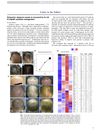
December 2015 in “Experimental dermatology” Corticosteroid treatment reduces inflammation and alters hair keratins in alopecia areata.
 68 citations
,
November 2015 in “The Journal of Allergy and Clinical Immunology”
68 citations
,
November 2015 in “The Journal of Allergy and Clinical Immunology” Blocking IL-12/IL-23p40 helped reverse severe hair loss in patients.
41 citations
,
November 2015 in “The journal of investigative dermatology. Symposium proceedings/The Journal of investigative dermatology symposium proceedings” Diphenylcyclopropenone (DPCP) can help regrow hair in many alopecia areata patients but may cause side effects and relapses.
 159 citations
,
October 2015 in “Science Advances”
159 citations
,
October 2015 in “Science Advances” Blocking JAK-STAT signaling can lead to hair growth.
 60 citations
,
September 2015 in “Expert Review of Clinical Immunology”
60 citations
,
September 2015 in “Expert Review of Clinical Immunology” Lymphocytes, especially CD8+ T cells, play a key role in causing alopecia areata, and targeting them may lead to new treatments.
 176 citations
,
August 2015 in “The journal of allergy and clinical immunology/Journal of allergy and clinical immunology/The journal of allergy and clinical immunology”
176 citations
,
August 2015 in “The journal of allergy and clinical immunology/Journal of allergy and clinical immunology/The journal of allergy and clinical immunology” Alopecia areata involves immune activation in the scalp, suggesting treatments targeting TH1, TH2, and IL-23 pathways.
 62 citations
,
June 2015 in “The Journal of Dermatology”
62 citations
,
June 2015 in “The Journal of Dermatology” People with alopecia areata have more Th17 cells and fewer Treg cells, which may be key to the condition's development.
 44 citations
,
February 2015 in “Journal of the American Academy of Dermatology”
44 citations
,
February 2015 in “Journal of the American Academy of Dermatology” Combining diphenylcyclopropenone with anthralin is more effective for hair regrowth in alopecia areata than using diphenylcyclopropenone alone, but may cause more side effects.
 45 citations
,
December 2014 in “Journal of the European Academy of Dermatology and Venereology”
45 citations
,
December 2014 in “Journal of the European Academy of Dermatology and Venereology” Plasmacytoid dendritic cells are a key factor in causing hair loss in alopecia areata and could help differentiate it from other hair loss conditions.
52 citations
,
December 2014 in “Journal of Dermatological Science” Apremilast may help treat hair loss in alopecia areata.
10 citations
,
September 2014 in “Australasian Journal of Dermatology” Understanding alopecia areata's patterns can improve future research and treatments.
 19 citations
,
September 2014 in “JAMA Dermatology”
19 citations
,
September 2014 in “JAMA Dermatology” Eosinophilic infiltrate is not a reliable indicator for diagnosing chronic alopecia areata.
701 citations
,
August 2014 in “Nature medicine” Alopecia areata can be reversed by JAK inhibitors, promoting hair regrowth.
71 citations
,
December 2013 in “The journal of investigative dermatology. Symposium proceedings/The Journal of investigative dermatology symposium proceedings” There are no FDA-approved treatments for Alopecia Areata, and current options have varying success and relapse rates.
33 citations
,
October 2013 in “Cutaneous and ocular toxicology” Oral cyclosporine can help regrow hair in severe alopecia areata cases.
53 citations
,
September 2013 in “Journal of Investigative Dermatology” Hair follicle cells help protect against immune attacks by regulating T-cell activity.
 205 citations
,
April 2013 in “British Journal of Dermatology”
205 citations
,
April 2013 in “British Journal of Dermatology” Platelet-rich plasma treatment significantly increased hair regrowth and decreased discomfort in alopecia patients, making it a potentially better and safer treatment option.
 19 citations
,
January 2013 in “Journal of Cutaneous Medicine and Surgery”
19 citations
,
January 2013 in “Journal of Cutaneous Medicine and Surgery” Alopecia patients struggle with emotions and stress, and improving emotional intelligence may help manage hair loss.
 218 citations
,
April 2012 in “British Journal of Dermatology”
218 citations
,
April 2012 in “British Journal of Dermatology” Guidelines suggest various treatments for alopecia areata, but leaving it untreated is also an option as 80% cases may recover on their own.
53 citations
,
May 2011 in “Dermatologic therapy” Alopecia areata is a skin condition causing hair loss, and its exact cause is unknown, but it may involve biological mechanisms.
 12 citations
,
January 2011 in “Photodermatology, photoimmunology & photomedicine”
12 citations
,
January 2011 in “Photodermatology, photoimmunology & photomedicine” This therapy effectively treats resistant alopecia areata with minimal side effects.
22 citations
,
June 2010 in “Experimental Dermatology” Lower MC2R expression may contribute to alopecia areata.
717 citations
,
June 2010 in “Nature” Alopecia areata involves both innate and adaptive immunity, with specific genes linked to the disease.
 52 citations
,
March 2010 in “British Journal of Dermatology”
52 citations
,
March 2010 in “British Journal of Dermatology” Alopecia areata shows a unique type 1 interferon signature, suggesting potential treatment by targeting this pathway.
244 citations
,
January 2010 in “Journal of the American Academy of Dermatology” The document says current treatments for alopecia areata do not cure or prevent it, and it's hard to judge their effectiveness due to spontaneous remission and lack of studies.
 45 citations
,
January 2010 in “International journal of trichology”
45 citations
,
January 2010 in “International journal of trichology” Topical immunotherapy, especially with DPCP, is effective for treating severe alopecia areata.
24 citations
,
March 2009 in “Archives of dermatological research” The combination of oral PUVA and corticosteroids helps regrow hair in severe alopecia areata.
 64 citations
,
November 2008 in “Journal of The American Academy of Dermatology”
64 citations
,
November 2008 in “Journal of The American Academy of Dermatology” A new type of rapid hair loss called ADTA usually gets better on its own within 6 months.
 59 citations
,
September 2008 in “Experimental dermatology”
59 citations
,
September 2008 in “Experimental dermatology” Both mouse and rat models are effective for testing alopecia areata treatments.
45 citations
,
July 2008 in “International Journal of Dermatology” Sulfasalazine may help treat persistent alopecia areata.
69 citations
,
February 2008 in “The American journal of pathology” Controlled delivery of specific RNA and IL-4 restored hair growth in mice with autoimmune alopecia.
253 citations
,
December 2007 in “Journal of Investigative Dermatology” Hair follicles prevent NK cell attacks to avoid hair loss.
84 citations
,
October 2007 in “The Journal of Immunology” Myeloid-derived suppressor cells help control autoimmune cells and promote hair regrowth in alopecia areata.
 27 citations
,
January 2005 in “American Journal of Clinical Dermatology”
27 citations
,
January 2005 in “American Journal of Clinical Dermatology” Azelaic acid and anthralin are similarly effective for treating patchy hair loss.
54 citations
,
December 2004 in “PubMed” Cyclosporin A vesicles effectively regrow hair and reduce inflammation in alopecia areata.
38 citations
,
September 2004 in “Journal of Autoimmunity” Alopecia areata patients have more activated T cells in their blood, which may help in developing treatments.
 29 citations
,
January 2004 in “Experimental Dermatology”
29 citations
,
January 2004 in “Experimental Dermatology” Topical anthralin helped regrow hair in mice with a condition similar to human alopecia.
39 citations
,
April 2003 in “Australasian journal of dermatology” PUVA treatment led to significant hair regrowth in over half of the patients with alopecia areata totalis and universalis.
275 citations
,
November 2002 in “International Journal of Dermatology” Alopecia areata mainly affects young people and has significant psychological impacts, especially in males.
114 citations
,
August 2002 in “Journal of Investigative Dermatology” Alopecia areata is caused by an immune response, and targeting immune cells might help treat it.
77 citations
,
June 2002 in “Journal of Investigative Dermatology” CD44 variant changes start alopecia areata, but don't maintain it.
127 citations
,
January 2000 in “Journal of Investigative Dermatology” Cytotoxic T cells cause hair loss in chronic alopecia areata.
105 citations
,
December 1995 in “British journal of dermatology/British journal of dermatology, Supplement” PUVA treatment is generally ineffective for alopecia areata.
84 citations
,
August 1991 in “British Journal of Dermatology” Most children treated with diphencyprone regrew some or all of their hair.
164 citations
,
November 1989 in “Clinical and Experimental Dermatology” Juvenile alopecia areata is more severe and has a worse prognosis than maturity-onset alopecia areata.
109 citations
,
November 1987 in “Archives of dermatology” Anthralin cream helped 25% of patients with severe alopecia areata regrow hair, but caused skin irritation.