Search
for
Sort by
Research
360-390 / 1000+ results
research The diagnosis of nonclassic congenital adrenal hyperplasia due to 21-hydroxylase deficiency, based on serum basal or post-ACTH stimulation 17-hydroxyprogesterone, can lead to false-positive diagnosis
Using 17-hydroxyprogesterone levels to diagnose nonclassic congenital adrenal hyperplasia can result in many incorrect diagnoses.
research Applications of Hair as a Record of Systemic Exposure to Cortisol
Hair cortisol content can indicate cortisol exposure and varies with age, puberty, and BMI in youth.
research Hormonal and Immunological Correlations in Alopecia Areata Patients: Focus on Luteinizing Hormone (LH) and Follicle Stimulating Hormone (FSH)
Alopecia areata patients have higher hormone levels, suggesting hormonal screening could help in treatment.

research Endocrinology
The document concludes that inflammation markers can be used in diabetes, vitamin D3 affects immune pathways, hyperthyroidism changes hormone levels, androgen levels help diagnose Adrenocortical Carcinoma, erectile dysfunction is linked to diabetes, hypogonadism is common in HIV-infected males, and hormones can be biomarkers for various conditions.
research Hair cortisol: What we know and what we don’t (yet)
research An Adult With Hair Loss! a Rare Case of Non-Classical 3β Hydroxysteroid Dehydrogenase (3β HSD) Deficiency
A woman's hair loss and other symptoms were due to a rare hormone deficiency treatable with steroids.
research Remarks on the Hormonal Background of the Male Equivalent of Polycystic Ovary Syndrome
Men might have a version of the female disease, polycystic ovarian syndrome, shown by changes in hormone levels and early baldness, but more research is needed to fully understand it.
research SAHA syndrome: female androgenetic alopecia and hirsutism.
research The SAHA Syndrome
SAHA syndrome is a condition in women involving skin and hair issues, often related to hormonal imbalances, and is treated based on the underlying cause.
research Visual Vignette
A 13-year-old boy with Cushing syndrome has high cortisol levels from a pituitary gland issue and underdeveloped sexual characteristics.

research Alopecia with male-pattern androgenetic alopecia linked to an adrenal tumor: a case report
Adrenal tumors can cause hair loss and high testosterone in women.
research BENIGN PREMATURE ADRENARCHE: CLINICAL FEATURES AND SERUM STEROID LEVELS
Dexamethasone effectively normalizes elevated steroid levels in girls with premature adrenarche.

research Clinical and Hormonal Evaluation of Androgen Excess
Most cases of high male hormone levels in women are due to polycystic ovary syndrome.
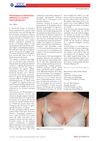
research Heterozygous 21‐hydroxylasedeficiency as a cause of hyperandrogenism
A woman's hyperandrogenism was caused by a genetic mutation leading to non-classic adrenogenital syndrome.
research Hormonal and Genetic Controls of Hirsutism: Link Between hyperprolactinemia, Polycystic ovary syndrome and Hirsutism
Hormones, genes, and oxidative stress interact to cause hirsutism and PCOS.
research Congenital Adrenal Hyperplasia
Early diagnosis and treatment of congenital adrenal hyperplasia are crucial to manage symptoms and prevent complications.
research Sexual Function and Depressive Symptoms in Young Women With Nonclassic Congenital Adrenal Hyperplasia
Young women with nonclassic congenital adrenal hyperplasia may experience worse sexual function and mild depression compared to healthy women.
research P-12 ACTH-INDEPENDENT CUSHING SYNDROME WITH INCONCLUSIVE ADRENAL CT SCAN RESULTS
Ketoconazole improved symptoms of ACTH-independent Cushing syndrome despite inconclusive initial scans.
research Urinary steroid metabolome shows adrenal, gonadal, and neuroactive steroid dysregulation in adolescents with depression
Depressed teens have different steroid levels in urine, which may help identify and treat them.
research Postmenopausal hyperandrogenism
Postmenopausal hyperandrogenism involves excess male hormones causing symptoms like hair growth and acne, and requires ruling out tumors and other disorders.

research Endocrine-skin interactions
Hormone imbalances can cause specific skin changes, which may help in early detection of endocrine disorders.
research SAT338 Desmopressin Stimulation Test As A Valuable Tool In Establishing Cushing Syndrome Etiology
The desmopressin stimulation test helped identify an adrenal cause for a patient's Cushing's syndrome.

research The interplay of oxidative stress and immune dysfunction in Hashimoto’s thyroiditis and polycystic ovary syndrome: a comprehensive review
Oxidative stress and immune dysfunction are linked to both Hashimoto's thyroiditis and polycystic ovary syndrome, with diet and specific treatments important for managing these conditions.
research AN ATTEMPT TO ASSESS THE MAGNITUDE OF ENDOGENOUS ANDROGEN PRODUCTION IN A CASE OF THE ADRENOGENITAL SYNDROME*
A 17-year-old female with adrenogenital syndrome produces very high levels of androgens, which prevent complete feminization despite high estrogen doses.
research Androgen Dependence of Hirsutism, Acne, and Alopecia in Women
Hirsutism is more linked to high androgen levels than acne or hair loss, and a mix of hormonal tests is best for diagnosis; certain treatments can reduce symptoms.

research The Chronic Thermal Stress Model of Androgenetic Alopecia: A Unified Environmental–Vascular–Molecular Hypothesis
DHT increases scalp heat, causing hair loss.
research Hair Cortisol Concentrations in Adolescent Girls with Anorexia Nervosa are Lower Compared to Healthy and Psychiatric Controls
Adolescent girls with anorexia nervosa have lower hair cortisol levels than healthy and psychiatric peers.

research Severe Hirsutism in Non Classic Congenital Adrenal Hyperplasia: A Case Report and Literature Review
The patient with severe hirsutism improved after being diagnosed with non-classic congenital adrenal hyperplasia and treated with corticosteroids.
research Non-classic congenital adrenal hyperplasia
Non-classic congenital adrenal hyperplasia is a common disorder causing symptoms like acne and infertility, and it's managed based on symptoms, not just test results. Treatment can improve fertility and reduce miscarriage risk.