 12 citations
,
June 2023 in “JAMA network open”
12 citations
,
June 2023 in “JAMA network open” JAK inhibitors effectively improve hair regrowth in alopecia areata with an acceptable safety profile.
 30 citations
,
May 2016 in “Expert Opinion on Biological Therapy”
30 citations
,
May 2016 in “Expert Opinion on Biological Therapy” New treatments targeting immune pathways show promise for severe hair loss but need more research for safety and effectiveness.
 June 2023 in “Dermatology and therapy”
 The Middle East and Africa need better data, treatment consensus, and support for Alopecia Areata.
 February 2026 in “Dove Medical Press (Taylor and Francis Group)”
 Upadacitinib can effectively regrow hair in alopecia areata patients without worsening sarcoidosis.
 November 2025 in “Clinical Cosmetic and Investigational Dermatology”
 Tattoos may trigger autoimmune symptoms in some people.
 22 citations
,
June 2013 in “Australasian Journal of Dermatology”
22 citations
,
June 2013 in “Australasian Journal of Dermatology” Early stage bald spots are linked to skin inflammation and damage to the upper part of the hair follicle.
 4 citations
,
July 2025 in “Frontiers in Immunology”
4 citations
,
July 2025 in “Frontiers in Immunology” Early intervention with JAK inhibitors may prevent alopecia areata progression.
 April 2024 in “JEADV clinical practice”
 Upadacitinib significantly improved both rheumatoid arthritis and alopecia areata in a patient.
April 2025 in “Acta Dermato Venereologica” Janus Kinase inhibitors are effective and safe for treating alopecia areata, but more research is needed.
55 citations
,
April 2008 in “Clinical Genetics” A new mutation in the ST14 gene was found in a patient with ARIH syndrome, showing milder symptoms and no tooth issues.
 September 2024 in “Journal of the American Academy of Dermatology”
 AH-001 could be a safer and more effective treatment for hair loss.
July 2024 in “Journal of Investigative Dermatology” The Fas/FasL pathway may play a role in alopecia areata.
November 2025 in “British Journal of Dermatology” The guideline recommends personalized treatment for alopecia areata, including new oral medications and psychological support.
 2 citations
,
June 2018 in “Journal of the American Academy of Dermatology”
2 citations
,
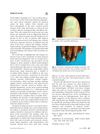
June 2018 in “Journal of the American Academy of Dermatology” Alopecia areata causes varying hair loss and nail changes, and treatments include topical, systemic, and injectable therapies.
 April 2024 in “Research Square”
 IBD patients treated with TNF antagonists may develop autoimmune alopecia areata, with severe cases less likely to improve.
 January 2024 in “Revista de la Asociación Colombiana de Dermatología y Cirugía Dermatológica/Revista de la Asociacion Colombiana de Dermatologia y Cirugia Dermatologica”
 Baricitinib successfully treated severe hair loss.
42 citations
,
July 2013 in “Gene” IL-4 gene variation may increase the risk of alopecia areata in Turkish people.
 January 2011 in “International Journal of Trichology”
 The document concludes that doctors should recognize congenital triangular alopecia to avoid unnecessary treatments, as it does not respond to steroids like alopecia areata does.
 16 citations
,
April 2011 in “Recent Patents on Inflammation & Allergy Drug Discovery”
16 citations
,
April 2011 in “Recent Patents on Inflammation & Allergy Drug Discovery” Alopecia Areata is an autoimmune disease causing hair loss in patches, often starting before age 20, and while some cases recover on their own, treatments include topical corticosteroids, minoxidil, and promising new methods like IL-31 antibodies and 308-nm Excimer laser therapy.
October 2021 in “International Journal of Dermatology” JAK inhibitors do not improve hair regrowth in androgenic alopecia but may prevent further hair loss.
July 2025 in “Journal of Investigative Dermatology” Switching Janus kinase inhibitors helped some patients with severe alopecia areata regrow hair, but insurance issues can worsen the condition.
 September 2017 in “Journal of Investigative Dermatology”
 Injections of special skin cells showed potential in treating hair loss, with some participants experiencing increased hair density.
June 2026 in “Skin Appendage Disorders” Pili annulati may be more common than thought, so recognizing its features is important for diagnosis.
11 citations
,
January 2020 in “Journal of Drugs in Dermatology” Intralesional triamcinolone acetonide is effective and safe for treating early to mid-stage traction alopecia.
 2 citations
,
January 2013 in “International Journal of Dermatology”
2 citations
,
January 2013 in “International Journal of Dermatology” ALDOA levels drop in hair cells during hair loss.
January 2014 in “Repository KITopen (Karlsruhe Institute of Technology)” Autoimmune diseases need combined therapy of tolerance induction and immunosuppression.
New treatments for alopecia areata, like JAK inhibitors and immunomodulators, are promising.
19 citations
,
August 2019 in “Dermatologic therapy” Janus kinase inhibitors show promise for treating alopecia areata but need more research for confirmation.
May 2025 in “International Journal of Biological Macromolecules” A new microneedle treatment shows promise for better hair regrowth in androgenetic alopecia.
 June 2022 in “World Journal Of Advanced Research and Reviews”
 Low-level laser therapy can significantly regrow hair in alopecia areata.