January 2020 in “Emergency Medicine News” Early diagnosis, decontamination, and supportive care are crucial for managing acute radiation syndrome.
 32 citations
,
January 2012 in “International Journal of Dermatology”
32 citations
,
January 2012 in “International Journal of Dermatology” Skin side effects from EGFR inhibitor cancer treatment can be managed effectively, often without stopping the medication.
 June 2023 in “Revista médica hondureña”
 Most pediatric cancer patients in the study developed skin problems, often due to their cancer treatment.
 December 2024 in “Clinical Cosmetic and Investigational Dermatology”
 Alopecia areata might help slow down certain cancers.
1 citations
,
January 2022 in “bioRxiv (Cold Spring Harbor Laboratory)” Injury boosts normal skin cell growth, reducing cancer cell advantage.
 January 2021 in “Journal of Cancer Therapy”
 Tyrosine Kinase Inhibitors are effective against cancer but can cause skin, digestive, and blood side effects, including hair loss.
 103 citations
,
December 2011 in “Journal of the American Academy of Dermatology”
103 citations
,
December 2011 in “Journal of the American Academy of Dermatology” Chemotherapy often causes temporary hair loss, which is distressing and needs better treatment and support.
1 citations
,
May 2022 in “European Journal of Dermatology” Longer treatment with vismodegib lowers relapse risk in basal cell carcinoma.
 7 citations
,
October 2019 in “Klinická onkologie”
7 citations
,
October 2019 in “Klinická onkologie” Cancer treatments often cause hair loss and damage, affecting patients' mental health.
 12 citations
,
June 2010 in “Journal of dermatology”
12 citations
,
June 2010 in “Journal of dermatology” Some patients with severe alopecia areata developed skin darkening from their treatment, which may indicate a less effective response to the therapy.
 May 2012 in “CRC Press eBooks”
 Some patients on anti-TNF drugs experience a type of hair loss called TAIAPA.
December 2025 in “Current Issues in Molecular Biology” Cytarabine can cause multiple organ toxicities, especially neurotoxicity, but better research methods are needed to fully understand and predict these effects.
32 citations
,
April 2011 in “Journal of the American Academy of Dermatology” Erlotinib may cause scarring hair loss.
September 2002 in “Oncology Times” Promising cancer treatments were found, but the manufacturer closed.
 October 2014 in “Journal of Minimally Invasive Gynecology”
 Genetic testing for cancer risk can lead to early and life-saving treatments in people without symptoms.
November 2025 in “Portuguese National Funding Agency for Science, Research and Technology (RCAAP Project by FCT)” Hair loss from cervical cancer treatment needs better prevention and management.
 2 citations
,
September 2010 in “Journal of the Dermatology Nurses’ Association”
2 citations
,
September 2010 in “Journal of the Dermatology Nurses’ Association” Transplant patients on immunosuppressive medications have a higher risk of skin cancer, and managing this involves balancing medication with cancer risk.
 December 2006 in “Lancet Oncology”
 The document concludes that better training and education are needed for proper cancer screening and criticizes the GMC's inaction as harmful to clinical ethics in the UK.
 12 citations
,
June 2019 in “Actas dermo-sifiliográficas/Actas dermo-sifiliográficas”
12 citations
,
June 2019 in “Actas dermo-sifiliográficas/Actas dermo-sifiliográficas” Proper skin toxicity management in chemotherapy is key to continuing treatment and keeping patient quality of life high.
June 2025 in “British Journal of Dermatology” Ritlecitinib may cause serious side effects like blood clots in alopecia areata patients.
13 citations
,
June 2008 in “International Journal of Dermatology” Sorafenib can cause a unique skin reaction.
 August 2013 in “Nature Reviews Drug Discovery”
 New cancer treatments show promise in reducing tumor growth and improving skin regeneration in mice.

Some cancer treatments cause different types of hair loss, but scalp cooling can help prevent it.
 4 citations
,
January 1987 in “Journal of The American Academy of Dermatology”
4 citations
,
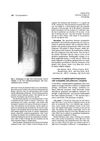
January 1987 in “Journal of The American Academy of Dermatology” A man with both skin lesions and lung cancer improved quickly with chemotherapy, suggesting the skin condition might be a reaction to immune system injury.
 6 citations
,
January 2019 in “Journal of dermatology”
6 citations
,
January 2019 in “Journal of dermatology” Immune checkpoint inhibitors used in cancer therapy can cause hair loss, and understanding this can help manage the side effect.
April 2026 in “Skin Appendage Disorders” Microneedling for hair loss may cause skin cancer.
39 citations
,
June 2019 in “Frontiers in Endocrinology” Lenvatinib and sorafenib are generally safe but need dose adjustments due to side effects.
October 2009 in “The American Journal of Gastroenterology” Excessive selenium intake can cause liver damage.
127 citations
,
August 2016 in “The oncologist” Understanding and managing side effects of hedgehog pathway inhibitors can improve treatment for advanced basal cell carcinoma.
 1 citations
,
May 2023 in “Jurnal Kedokteran Diponegoro”
1 citations
,
May 2023 in “Jurnal Kedokteran Diponegoro” Chemotherapy for prostate, bladder, and testicular cancer patients commonly causes hair loss, fatigue, and decreased appetite.