 18 citations
,
July 2008 in “Current Oncology Reports”
18 citations
,
July 2008 in “Current Oncology Reports” EGFR cancer drugs often cause a rash, which can lead to distress and isolation, but may also improve outcomes for some cancer patients. Current treatments for the rash are limited, but a compound called menadione shows promise.
4 citations
,
March 2007 in “British Journal of Dermatology” Gefitinib therapy can cause unusual hair growth on the nose.
 3 citations
,
March 2018 in “European Urology Supplements”
3 citations
,
March 2018 in “European Urology Supplements” Using 5-alpha-reductase inhibitors may improve bladder cancer survival in men.
 August 2008 in “Current Opinion in Internal Medicine”
 In 2007, prostate cancer research improved understanding of risk, diagnosis, and treatment, but also showed heart risks with certain therapies and the need for personalized care.
56 citations
,
August 2011 in “Best Practice & Research Clinical Gastroenterology” Cancer prevention has progressed with successful drugs and vaccines, but challenges remain in understanding genetic changes and improving strategies.
 March 2021 in “Clin-Alert”
 The FDA warned about safety issues with remdesivir and tofacitinib, finasteride is linked to suicidality, potent topical corticosteroids increase osteoporosis risk, henna can cause hemolysis in G6PD deficiency, chemotherapeutic agents can cause adverse reactions, drug interactions are common in cancer patients, ketamine can reduce at-risk drinking, high dose of anticholinergics increases dementia risk in Parkinson's patients, and prenatal exposure to second-generation antipsychotics increases pregnancy complications.
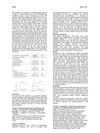 April 2019 in “Radiotherapy and oncology”
 HPV infection is linked to better survival in advanced anal cancer, higher radiation doses improve survival, especially in HPV-negative patients, and prostaglandin E₂ pretreatment can protect mouse hair follicles from radiation damage.
 May 2025 in “Journal of the ASEAN Federation of Endocrine Societies”
 VHL disease can cause early paragangliomas, needing lifelong monitoring.
2 citations
,
June 2024 in “JAAD reviews.” Some drugs can cause permanent hair loss, though it's rare.
 31 citations
,
March 2017 in “Journal of The American Academy of Dermatology”
31 citations
,
March 2017 in “Journal of The American Academy of Dermatology” Some breast cancer patients developed permanent hair loss after chemotherapy and hormonal therapy, showing patterns similar to common baldness and alopecia areata.
12 citations
,
March 2021 in “JAAD Case Reports” Nail changes from immunotherapy can be managed without stopping cancer treatment.
 September 2024 in “Current Oncology”
 Docetaxel often causes hair loss, with limited effective treatments and no cure for permanent hair loss.
 5 citations
,
February 2022 in “Supportive Care in Cancer”
5 citations
,
February 2022 in “Supportive Care in Cancer” Older age is the main risk factor for hemorrhagic cystitis after stem cell transplants.
 May 2026 in “Frontiers in Pharmacology”
 Long-term use of 5α-reductase inhibitors may improve survival in men with kidney cancer.
 1 citations
,
March 2019 in “Actas Dermo-Sifiliográficas”
1 citations
,
March 2019 in “Actas Dermo-Sifiliográficas” New cancer treatments are less harmful to hair but can still cause hair loss, color, shape, and growth changes.
 June 2023 in “Journal of Clinical Oncology”
 CDK4/6 inhibitors may cause hair loss in breast cancer patients.
November 2022 in “bioRxiv (Cold Spring Harbor Laboratory)” Prostaglandin E2 helps prevent hair loss from radiotherapy by protecting hair cells.
 1 citations
,
October 2022 in “Дерматовенерология Косметология”
1 citations
,
October 2022 in “Дерматовенерология Косметология” EGFR inhibitors for lung cancer can cause severe skin issues.
 14 citations
,
December 2010 in “Seminars in Oncology”
14 citations
,
December 2010 in “Seminars in Oncology” Rare adrenal cancers that secrete androgens or estrogens have a poor prognosis and are treated primarily with surgery.
October 2023 in “Indian Journal of Skin Allergy” Nab-paclitaxel chemotherapy can rarely cause lupus-like skin issues.
 April 2012 in “The Journal of Urology”
 Early baldness increases prostate cancer risk, radiotherapy and surgery have similar second cancer rates, and ALA may reduce prostate cancer risk.
1 citations
,
January 2025 in “Dermatologic Therapy” Immune checkpoint inhibitors can increase the risk of autoimmune skin diseases, especially bullous pemphigoid.
 February 2013 in “Journal of The American Academy of Dermatology”
 Hair loss is a common but often unreported side effect of cancer treatments, especially for breast and prostate cancers.
August 2020 in “SKIN The Journal of Cutaneous Medicine” Cetuximab can cause skin cysts after acne-like eruptions.

Google should ban ads targeting cancer patients with sensitive health-related keywords to protect them from misleading information.
 16 citations
,
March 2013 in “JAMA Dermatology”
16 citations
,
March 2013 in “JAMA Dermatology” A cancer drug called nilotinib might cause hair loss due to inflammation around hair follicles.
 February 2025 in “American Journal of Medical Case Reports”
 A rare skin cancer was correctly diagnosed after surgery, highlighting the need for careful examination and follow-up.
January 2026 in “Regenerative Biomaterials” Advanced hydrogels can autonomously deliver drugs to treat radiation skin injuries, but challenges remain for clinical use.
January 2024 in “Journal of Natural Remedies” Alkaloids show promise in treating cholangiocarcinoma by effectively targeting cancer cells.
 153 citations
,
January 2001 in “Science”
153 citations
,
January 2001 in “Science” Using CDK inhibitors on rats showed a reduction in chemotherapy-caused hair loss, but later experiments could not repeat these results.