7 citations
,
June 2024 in “Skin Research and Technology” Combining treatments significantly reduces dark circles and wrinkles better than nanofat alone.
 April 2023 in “The journal of investigative dermatology/Journal of investigative dermatology”
 Removing certain immune cells in mice causes their hair to enter the growth phase earlier than usual.
9 citations
,
April 2006 in “International Journal of Dermatology” DFMO may help control hair growth and treat cancer.
 March 2005 in “Inpharma Weekly”
 China approved Sinovac's flu vaccine, Japan approved RiUP for female hair loss, and Nippon Kayaku's three cancer drugs.
19 citations
,
October 2016 in “Journal of oncology pharmacy practice” A cancer patient's hair became permanently curly after treatment with nivolumab.
19 citations
,
September 2006 in “Journal of Pediatric Gastroenterology and Nutrition” Early use of infliximab in severe pediatric Crohn's disease can lead to significant improvement and remission.
July 2024 in “Journal of Investigative Dermatology” A KLK5 inhibitor effectively improved skin symptoms in a mouse model of Netherton Syndrome.
VCFO effectively treats fungal infections in cats and promotes hair regrowth.
The DNS FUE technique offers discreet hair transplants with high satisfaction and low damage rates.
February 2024 in “Indian Journal of Chemistry” Compound N4 effectively kills breast cancer cells and compounds N2 and N3 have strong antibacterial and antifungal properties.
22 citations
,
June 1991 in “Clinical Therapeutics” Oxiconazole nitrate cream is effective and safe for treating various fungal skin infections.
July 2013 in “Pharmaceutical Regulatory Affairs Open Access” Invasomes with 0.5% limonene greatly improve skin delivery of finasteride.

A new microneedle treatment shows promise for repigmenting skin in vitiligo.
 13 citations
,
May 2005 in “Seminars in Plastic Surgery”
13 citations
,
May 2005 in “Seminars in Plastic Surgery” Follicular Cell Implantation might become a new treatment for hair loss and could lead to advances in organ regeneration.
 June 2020 in “Journal of Investigative Dermatology”
 Tiny particles from skin cells can help activate hair growth.
22 citations
,
January 1990 July 2005 in “Hair transplant forum international” 17 citations
,
August 2002 in “AIDS” Indinavir and ritonavir therapy can cause reversible hair loss.
July 2024 in “Journal of Investigative Dermatology” DS-2325a is safe and well-tolerated, supporting further development for Netherton Syndrome treatment.
12 citations
,
February 1986 in “PubMed” Injecting newborn mice with a niacin blocker caused skin, gut, and brain damage similar to human pellagra.
 July 2023 in “Journal of skin and stem cell”
 Interferon beta treatment in MS patients can cause skin reactions and increased hair loss.
 3 citations
,
October 2022 in “Clinical, Cosmetic and Investigational Dermatology”
3 citations
,
October 2022 in “Clinical, Cosmetic and Investigational Dermatology” The 532 nm laser effectively reduces facial vascular and pigmented lesions, with the VISIA system reliably assessing treatment results.
 8 citations
,
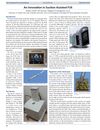
March 2016 in “Hair transplant forum international”
8 citations
,
March 2016 in “Hair transplant forum international” The new FUE device improves hair transplant safety and efficiency.
37 citations
,
December 1995 in “Journal of Cell Science” Nexin 1 may help control hair growth.
 36 citations
,
September 2001 in “Journal of The European Academy of Dermatology and Venereology”
36 citations
,
September 2001 in “Journal of The European Academy of Dermatology and Venereology” Finasteride doesn't reduce sexual function in people with hair loss.
June 2020 in “bioRxiv (Cold Spring Harbor Laboratory)” IGN genes may regulate hair growth and could be targeted for hair-loss treatments.
January 2023 in “Toxicological Research” A new microneedle patch effectively treats hair loss by delivering growth factors to the skin.
1 citations
,
April 2023 in “Preprints.org” SEFFI is a safe and effective anti-aging treatment with few complications.
July 2026 in “Journal of Zhejiang University (Medical Sciences)” Nanovesicles from fat stem cells help hair growth by activating a specific signaling pathway.