 September 2014 in “Springer eBooks”
 Men and women experience skin aging differently due to changes in sex hormone levels with age.
 January 2013 in “Otorhinolaryngology clinics : an international journal”
 PRP shows promise for improving healing and hair growth in cosmetic surgery but results can vary.
 June 2011 in “Journal of medicine and life science”
 Hizkia fusiforme seaweed extract can help promote hair growth.
 June 2010 in “Journal of Medicine and Life Science”
 Orostachys iwarenge Hara extract may help promote hair growth.
 March 2021 in “Journal of Pakistan Association of Dermatologists”
 In Pakistan, men with more severe hair loss often have a higher BMI.
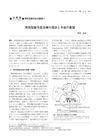 January 2009 in “Folia Pharmacologica Japonica”
 Finasteride and minoxidil are the main effective treatments for hair loss from androgenetic alopecia.
Knocking out the FGF5 gene in sheep increased wool production and hair-follicle density.
 February 2022 in “Research Square (Research Square)”
 A protein made in a plant stopped hair growth in mice.
10 citations
,
July 2019 in “Advances in Wound Care” Reducing Flightless I protein improves wound healing by activating skin stem cells.
94 citations
,
March 1996 in “Journal of Investigative Dermatology” 77 citations
,
February 2001 in “Journal of Dermatological Science” HGF activator helps convert HGF to its active form, promoting hair growth.
94 citations
,
July 2003 in “Journal of biological chemistry/The Journal of biological chemistry” EGF controls hair growth by regulating hair follicles' growth phases.
2 citations
,
February 2022 in “bioRxiv (Cold Spring Harbor Laboratory)” Impaired LEF1 activation speeds up skin cell development in Hutchinson-Gilford Progeria Syndrome.
475 citations
,
October 2006 in “Proceedings of the National Academy of Sciences” Folliculin helps regulate energy and nutrient sensing, impacting Birt–Hogg–Dubé syndrome.
 64 citations
,
January 2015 in “BioMed Research International”
64 citations
,
January 2015 in “BioMed Research International” Certain growth factors can promote hair growth in mice by activating hair growth-related proteins.
 24 citations
,
July 1994 in “Molecular Endocrinology”
24 citations
,
July 1994 in “Molecular Endocrinology” Researchers found an RNA transcript that might help control a growth factor linked to tumor development.
 August 2013 in “Nature Reviews Drug Discovery”
 A protein called FGF9 helps regenerate hair follicles in mice after skin damage, and increasing FGF9 could potentially help human hair growth.
2 citations
,
March 2011 in “Veterinary Dermatology” FGF18 is present in beagle dog hair follicles, mainly in the inner root sheath.
66 citations
,
June 2004 in “Development” FGF signaling is crucial for starting feather development in chicken embryos.
287 citations
,
July 2001 in “Journal of Cell Science” The study found 65 intermediate filament genes, including new keratins, and suggested updating keratin naming.
 13 citations
,
March 2020 in “Genes”
13 citations
,
March 2020 in “Genes” Disrupting the FGF5 gene in rabbits leads to longer hair by extending the hair growth phase.
 28 citations
,
October 2004 in “Differentiation”
28 citations
,
October 2004 in “Differentiation” A gene deletion causes the "hairless" trait in Iffa Credo rats.
29 citations
,
January 2016 in “Disease Markers” Survivin and IGF-I may play a role in acne and scarring.
26 citations
,
October 1996 in “Journal of Endocrinology/Journal of endocrinology” Goat hair follicles have insulin-like growth factor-I receptors that might affect hair growth, but no melatonin receptors were found.
 April 2016 in “Journal of Investigative Dermatology”
 Boosting HGF signaling could improve the creation of hair follicles in lab-made skin.
 4 citations
,
April 2018 in “Biotechnology Letters”
4 citations
,
April 2018 in “Biotechnology Letters” Human growth factor 20 can boost mouse whisker growth.
 24 citations
,
July 2017 in “Structure”
24 citations
,
July 2017 in “Structure” FGF9 controls which receptors it binds to through a process where two FGF9 molecules join, and changes in FGF9 can lead to incorrect receptor activation.
EGF and FGF signaling stops hair follicle development in mice.
380 citations
,
March 2000 in “Proceedings of the National Academy of Sciences” Overexpressing GLI-1 in mice skin can cause tumors like human basal cell carcinomas.