 3 citations
,
January 2020 in “PubMed”
3 citations
,
January 2020 in “PubMed” Adding insulin-like growth factor 1 and bone marrow-derived stem cells to a collagen-chitosan scaffold helps wounds heal faster and regrows hair follicles.
 June 2023 in “Medical records-international medical journal”
 Decreased IGF-1R expression may contribute to sacrococcygeal pilonidal sinus development.
22 citations
,
January 2011 in “Indian Journal of Dermatology/Indian journal of dermatology” Cow placenta extract may help hair grow by increasing a growth factor but is less effective than minoxidil.
 January 2019 in “Springer eBooks”
 Acne is linked to inflammation and insulin resistance, and is associated with various syndromes that require different treatments.
200 citations
,
August 2009 in “Experimental dermatology” Eating high-glycemic foods and drinking milk may worsen acne by increasing insulin and IGF-1 levels.
 28 citations
,
September 2019 in “International Journal of Nanomedicine”
28 citations
,
September 2019 in “International Journal of Nanomedicine” Minoxidil nanoparticles can potentially be a more effective treatment for hair growth than current treatments.
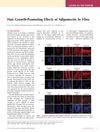 22 citations
,
June 2012 in “Journal of Investigative Dermatology”
22 citations
,
June 2012 in “Journal of Investigative Dermatology” Adiponectin may stimulate hair growth and could be a potential treatment for promoting hair growth.
 9 citations
,
December 2013 in “Toxicological Research”
9 citations
,
December 2013 in “Toxicological Research” Chamaecyparis obtusa oil may help hair grow similarly to minoxidil by affecting certain growth markers and cell factors.
 December 2015 in “Vascular Pharmacology”
 Hair papilla cells are crucial for blood vessel development in hair follicles, affecting hair growth and loss.
 25 citations
,
August 2015 in “International Journal of Cosmetic Science”
25 citations
,
August 2015 in “International Journal of Cosmetic Science” Malva verticillata seed extract might help treat hair loss by activating hair growth signals in skin cells.
 4 citations
,
December 2015 in “Journal of Medicinal Plants Research”
4 citations
,
December 2015 in “Journal of Medicinal Plants Research” A plant mixture extract helped grow hair by boosting cell growth and growth factors while blocking a hair loss-related enzyme.
 April 2019 in “Journal of Investigative Dermatology”
 Caffeine can protect scalp hair follicles from damage caused by UV radiation.
 113 citations
,
November 2017 in “Scientific Reports”
113 citations
,
November 2017 in “Scientific Reports” Tiny particles from stem cells help activate hair growth cells and encourage hair growth in mice without being toxic.
98 citations
,
November 1999 in “Dermatology Online Journal” IGF-1 can boost hair growth by promoting cell growth and preventing cell death.
 30 citations
,
December 2014 in “Toxicological Research”
30 citations
,
December 2014 in “Toxicological Research” Peppermint oil can effectively promote hair growth without being toxic.
 22 citations
,
November 2013 in “Clinical and experimental dermatology (Print)”
22 citations
,
November 2013 in “Clinical and experimental dermatology (Print)” Ecklonia cava, a type of seaweed, may help hair grow.
 11 citations
,
April 2020 in “Life sciences”
11 citations
,
April 2020 in “Life sciences” Pantothenic acid helps mink hair follicles grow by affecting certain cell signals.
Sinsun-yukza-hwan extract promotes hair growth in mice.
October 2012 in “Journal of Dermatological Science” Erythropoietin can promote hair growth by increasing IGF-1 in hair cells.
 25 citations
,
March 2017 in “Archives of Dermatological Research”
25 citations
,
March 2017 in “Archives of Dermatological Research” Sinapic acid may help hair growth by activating a specific cell pathway.
 8 citations
,
October 2020 in “International Journal of Molecular Sciences”
8 citations
,
October 2020 in “International Journal of Molecular Sciences” Nonanal from fruits and vegetables promotes hair growth by increasing growth factors.
 3 citations
,
October 2021 in “PLoS ONE”
3 citations
,
October 2021 in “PLoS ONE” Piperonylic acid speeds up wound healing by reducing inflammation and boosting collagen.
August 2025 in “Bioactive Materials” Ac-GFFY-IGF peptide is a promising, safe, and effective treatment for hair loss, better than current options.
 28 citations
,
October 2011 in “International Journal of Molecular Medicine”
28 citations
,
October 2011 in “International Journal of Molecular Medicine” Adenosine helps hair grow longer and stronger by boosting certain growth factors and signaling pathways.
 163 citations
,
April 2019 in “Nature Communications”
163 citations
,
April 2019 in “Nature Communications” Mechanical stretching of the skin can promote hair growth by activating certain immune cells.
 138 citations
,
July 2015 in “Clinical, Cosmetic and Investigational Dermatology”
138 citations
,
July 2015 in “Clinical, Cosmetic and Investigational Dermatology” Eating less sugar, milk, and saturated fats and more vegetables and fish may help treat and prevent acne.
 82 citations
,
September 2018 in “Nature Communications”
82 citations
,
September 2018 in “Nature Communications” A certain smell receptor in hair follicles can affect hair growth when activated by a synthetic sandalwood scent.
 51 citations
,
January 2003 in “Hormone Research in Paediatrics”
51 citations
,
January 2003 in “Hormone Research in Paediatrics” Hormones and their receptors, especially androgens, play a key role in hair growth and disorders like baldness.
 39 citations
,
January 2013 in “Indian Journal of Dermatology, Venereology and Leprology”
39 citations
,
January 2013 in “Indian Journal of Dermatology, Venereology and Leprology” Eating high glycemic foods and drinking milk may worsen acne by increasing insulin and IGF-1 levels.
26 citations
,
December 2020 in “Genes” A combination of IGF-1 and EGF promotes hair growth in Angora rabbits.