14 citations
,
April 2008 in “PROTEOMICS” Increased 14-3-3 proteins may block hair cycle regression, causing hair loss.
 December 2022 in “Frontiers in Pharmacology”
 Tianma Gouteng decoction may help prevent hair loss and promote hair growth.
 May 2026 in “Scientific Reports”
 Overexpression of LRIG3 in skin causes hair loss.
October 2025 in “Cell Reports” Regulatory T cells help hair growth by using the Cxcr4-Cxcl12 pathway.
 49 citations
,
November 2014 in “Journal of Medicinal Food”
49 citations
,
November 2014 in “Journal of Medicinal Food” Red Ginseng Extract may help human hair grow by activating growth pathways and blocking negative effects of certain hormones.
June 2017 in “Mechanisms of development” Hox genes control hair follicle stem cell regeneration in different body regions.
 May 2024 in “The journal of investigative dermatology/Journal of investigative dermatology”
 Applying DMG-Na to the skin increases blood flow and may help with skin conditions.
2 citations
,
July 2025 in “Chemical Engineering Journal” The hydrogel dressing effectively treats infected wounds by combining infection control and tissue regeneration.
 3 citations
,
January 2021 in “Journal of The American Academy of Dermatology”
3 citations
,
January 2021 in “Journal of The American Academy of Dermatology” Different types of atopic dermatitis were linked to specific genetic and immune changes, suggesting that severe cases might need stronger immune-targeting treatments.
Patients with graft-versus-host disease often have nail changes related to the nail matrix, with severity not linked to skin condition.
22 citations
,
May 2004 in “Tissue Engineering” PGA fiber-reinforced collagen sponges improve hair growth and skin structure.
February 2009 in “Journal of Investigative Dermatology” EGFR is essential for organized skin nerve growth and branching.
 18 citations
,
January 2008 in “Sen'i Gakkaishi”
18 citations
,
January 2008 in “Sen'i Gakkaishi” Thioglycolic acid and L-cysteine change hair structure differently during perms, affecting hair strength and curling efficiency.
5 citations
,
May 2023 in “Microbial Cell Factories” A stable, active version of a growth factor was made in bacteria, showing promise for medical use.
9 citations
,
June 2024 in “BMC Genomics” Wool color in Gangba sheep is influenced by multiple genes and genetic mechanisms.
60 citations
,
April 2003 in “Biomaterials” Controlled release of growth factors in hydrogels improved hair growth in mice.
January 2009 in “China Animal Husbandry & Veterinary Medicine” The B2C promoter works in sheep cells but not in mouse embryos.
 5 citations
,
December 2021 in “Frontiers in Cell and Developmental Biology”
5 citations
,
December 2021 in “Frontiers in Cell and Developmental Biology” Enzymes called PADIs play a key role in hair growth and loss.
 1 citations
,
February 2022 in “Biological Trace Element Research”
1 citations
,
February 2022 in “Biological Trace Element Research” The combination of Arginine Silicate Inositol Complex and a new form of Biotin improved hair and nail growth in rats.
January 1981 in “Elsevier eBooks” 11 citations
,
January 2021 in “British Journal of Dermatology” Mutations in the AP1B1 gene cause a new syndrome with skin, hearing, and developmental issues.
 8 citations
,
March 2020 in “Frontiers in Cell and Developmental Biology”
8 citations
,
March 2020 in “Frontiers in Cell and Developmental Biology” Researchers created immortal human skin cells with constant testosterone receptor activity to study hair loss and test treatments.
September 2016 in “Toxicology letters” The 5050 MHA42MCS45 hydrogel blend is suitable for repairing load-bearing soft tissues.
 May 2023 in “The journal of investigative dermatology/Journal of investigative dermatology”
 EAAT4 decreases with age, harming skin function and calcium balance.
April 2019 in “Journal of Investigative Dermatology” Y27632 increases cell growth through EGFR signaling, not ROCK1/2.
 20 citations
,
September 2021 in “Nature communications”
20 citations
,
September 2021 in “Nature communications” Cat color patterns are determined early in development by gene expression and epidermal changes, with the Dickkopf 4 gene playing a crucial role.
 1 citations
,
June 2019 in “Current developments in nutrition”
1 citations
,
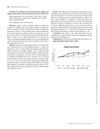
June 2019 in “Current developments in nutrition” A combination of arginine silicate complex and magnesium biotinate improves hair and nail growth in rats.
60 citations
,
September 2023 in “Science” BTNL proteins help control inflammatory bowel disease by maintaining specific immune cells.
September 2023 in “Zenodo (CERN European Organization for Nuclear Research)”  2 citations
,
January 2025 in “Pharmaceutical Research”
2 citations
,
January 2025 in “Pharmaceutical Research” Angelica gigas Nakai root extracts may help with cancer, pain, memory loss, and metabolic issues.