
CD4 T cells need IFN-γ to cause hair loss in alopecia areata.
 November 2024 in “Communities in ADDI (University of the Basque Country)”
 Antisense oligonucleotides show promise for treating Myotonic Dystrophy type I.
October 2025 in “Science Advances” IFN-γ production by CD4 T cells is crucial for causing alopecia areata.
 7 citations
,
October 2024 in “Frontiers in Immunology”
7 citations
,
October 2024 in “Frontiers in Immunology” A humanized CXCL12 antibody may delay and treat alopecia areata by altering the immune response.
 10 citations
,
August 2016 in “Oxford Medical Case Reports”
10 citations
,
August 2016 in “Oxford Medical Case Reports” Tocilizumab therapy may cause skin and hair conditions like halo naevi, vitiligo, and alopecia areata.
106 citations
,
January 2013 in “Clinical and Developmental Immunology” Alopecia areata is caused by immune system attacks on hair follicles, often triggered by viral infections.
30 citations
,
April 2007 in “Journal of Leukocyte Biology” Blocking CD44 can reduce leukocyte migration in autoimmune skin diseases.
84 citations
,
October 2007 in “The Journal of Immunology” Myeloid-derived suppressor cells help control autoimmune cells and promote hair regrowth in alopecia areata.
 October 2021 in “Journal of Investigative Dermatology”
 COVID-19 infection rates were low in patients with immune diseases, regardless of their treatment type.
6 citations
,
October 2011 in “ISRN Ophthalmology” Higher testosterone and dehydroepiandrosterone sulphate levels may help diagnose meibomian gland dysfunction.
7 citations
,
December 2010 in “Current Drug Therapy” Anti-complement agents could effectively treat autoimmune diseases with fewer side effects.
 6 citations
,
November 2008 in “Journal of Dermatological Science”
6 citations
,
November 2008 in “Journal of Dermatological Science” Certain proteins involved in DNA modification may affect the genetic changes in systemic lupus erythematosus and could indicate the disease's activity.
6 citations
,
April 2012 in “Muscle & nerve” Recognizing the link between certain autoimmune disorders and neurological conditions can improve diagnosis and treatment.
16 citations
,
December 2015 in “Journal of Investigative Dermatology” Alopecia areata involves persistent gene abnormalities and immune activity, even in regrown hair, suggesting a risk of relapse.
717 citations
,
June 2010 in “Nature” Alopecia areata involves both innate and adaptive immunity, with specific genes linked to the disease.
9 citations
,
January 2013 in “Indian journal of dermatology, venereology, and leprology” Infliximab may cause hair loss in Crohn's disease patients.
1 citations
,
November 2018 in “immuneACCESS” Expanded CD8+ T cells are linked to Alopecia Areata and may cause relapse after treatment.

Microneedling may help treat some autoimmune skin conditions, but more research is needed.
May 2023 in “Journal of Cosmetic Dermatology” Androgenetic alopecia is linked to higher cardiovascular and metabolic risks, possibly due to irisin resistance.
 10 citations
,
July 2021 in “Archiv für Pathologische Anatomie und Physiologie und für Klinische Medicin”
10 citations
,
July 2021 in “Archiv für Pathologische Anatomie und Physiologie und für Klinische Medicin” LRIG1 is linked to better survival in Merkel cell carcinoma.
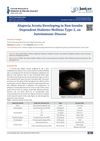 January 2019 in “Current research in diabetes & obesity journal”
 A woman with type 2 diabetes developed alopecia areata, suggesting a link between the two autoimmune conditions.
2 citations
,
January 2015 in “Elsevier eBooks” Epigenetic changes contribute to autoimmune skin diseases.
 50 citations
,
January 2016 in “The Journal of Clinical Endocrinology and Metabolism”
50 citations
,
January 2016 in “The Journal of Clinical Endocrinology and Metabolism” Certain microRNAs in the fluid around eggs are linked to Polycystic Ovary Syndrome and may help diagnose it.
 21 citations
,
January 2021 in “Journal of infection and chemotherapy”
21 citations
,
January 2021 in “Journal of infection and chemotherapy” Men, diabetes, and high inflammation levels lead to higher COVID-19 antibodies.
 June 2024 in “British Journal of Dermatology”
 Scalp disease in dermatomyositis causes significant symptoms and has unique features.
 April 2026 in “Frontiers in Immunology”
 Certain genes may be linked to autoimmune conditions in people with alopecia areata.
 46 citations
,
May 1997 in “British journal of dermatology/British journal of dermatology, Supplement”
46 citations
,
May 1997 in “British journal of dermatology/British journal of dermatology, Supplement” Vitiligo is not linked to coeliac disease, but a small number of alopecia areata patients may have it, suggesting they should be tested for coeliac disease.
 20 citations
,
November 2005 in “Journal of Investigative Dermatology Symposium Proceedings”
20 citations
,
November 2005 in “Journal of Investigative Dermatology Symposium Proceedings” IFN-γ and IL-2 are important for T cell activation in hair loss in mice.
July 2026 in “Journal of Investigative Dermatology” Alopecia totalis/universalis is linked to more autoimmune diseases than patchy alopecia areata.
June 2025 in “Academic Medical Journal” Restoring hair follicle immune privilege may help treat alopecia areata.