252 citations
,
March 1998 in “Developmental dynamics” FGFs-4, -8, and -9 have overlapping roles and are repeatedly used in tooth development.

Type II spiral ganglion neurites avoid high concentrations of laminin and fibronectin.
 76 citations
,
June 2015 in “Journal of biomedical science”
76 citations
,
June 2015 in “Journal of biomedical science” Mutations in Gasdermin A3 cause skin inflammation and hair loss by disrupting mitochondria.
October 2017 in “Journal of Investigative Dermatology” Pemphigus vulgaris involves specific immune cells and B cells that produce antibodies causing skin blisters.
 18 citations
,
February 2010 in “Odontology”
18 citations
,
February 2010 in “Odontology” The document concludes that Rabson-Mendenhall syndrome requires novel treatments for insulin resistance and emphasizes the importance of dental care in affected patients.
2 citations
,
May 2021 in “IOP Conference Series Earth and Environmental Science” IGF-1 boosts growth factor release from stem cells for potential regenerative therapy.
44 citations
,
January 1984 in “Molecular and Cellular Biochemistry” 51 citations
,
August 2012 in “Differentiation” Mouse genital development depends on male or female hormones for specific features.
 19 citations
,
May 2020 in “Cells”
19 citations
,
May 2020 in “Cells” Substance from human umbilical cord blood cells promotes hair growth.
38 citations
,
May 1971 in “Clinical genetics” A specific metabolite, not a receptor protein, triggers the production of certain kidney enzymes, but this process is disrupted in mice with a mutation causing testicular feminization.
21 citations
,
February 2006 in “Clinical Cancer Research” Mitf plays a key role in melanoma progression and is linked to disease stage.
February 2025 in “Journal of the European Academy of Dermatology and Venereology” Mogamulizumab can cause hair loss, often linked to a better treatment response.
 5 citations
,
January 2018
5 citations
,
January 2018 The conclusion is that a new test was created to find substances that affect specific ion channels, and it works well for drug discovery.
19 citations
,
February 2001 in “Journal of paediatrics and child health” A new mutation in the mitochondrial DNA was found in a boy with MELAS, even though his family didn't show typical signs.
 1 citations
,
February 2018 in “Australasian journal of dermatology”
1 citations
,
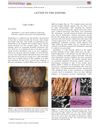
February 2018 in “Australasian journal of dermatology” Advanced imaging techniques are crucial for accurately diagnosing Monilethrix, a rare hair disorder.
 April 2016 in “The journal of investigative dermatology/Journal of investigative dermatology”
 MPZL3 is crucial for seborrheic dermatitis development.
 46 citations
,
January 2010 in “The journal of investigative dermatology/Journal of investigative dermatology”
46 citations
,
January 2010 in “The journal of investigative dermatology/Journal of investigative dermatology” Mice lacking Insig proteins had hair growth problems due to cholesterol buildup, but this was fixed by the drug simvastatin.
5 citations
,
January 1964 in “Naunyn-Schmiedeberg s Archives of Pharmacology” Iodine is absorbed by hair just below the skin surface.
 67 citations
,
August 2007 in “American Journal of Pathology”
67 citations
,
August 2007 in “American Journal of Pathology” Overexpressing the mineralocorticoid receptor in mouse skin causes skin thinning, early skin barrier development, eye issues, and hair loss.
309 citations
,
June 2001 in “Molecular and Cellular Endocrinology” Mutations in the androgen receptor gene cause androgen insensitivity, leading to female traits in genetically male individuals.
January 2025 in “The Egyptian Journal of Hospital Medicine” High levels of NEDD4-TV3 and IGF-1 may predict and contribute to keloid formation.
53 citations
,
July 2002 in “Journal of Investigative Dermatology” The Dfl mutation in mice causes poor sebaceous gland function and complete hair loss.
15 citations
,
June 2012 in “British Journal of Dermatology” A new mutation in the KRT86 gene causes a hair disorder with variable expression.
 31 citations
,
July 2004 in “Molecular Medicine”
31 citations
,
July 2004 in “Molecular Medicine” Certain defective glucocorticoid receptor mutants move faster inside cell nuclei and work less effectively.
1 citations
,
February 2025 in “Journal of the Neurological Sciences” Beta-trace protein may help diagnose and predict treatment response in certain nerve disorders.
April 2025 in “Experimental Eye Research” The Oat mouse model shows mild retinal degeneration, useful for testing treatments.
Onychomatricoma is a unique nail tumor, not related to other hair-related tumors.
96 citations
,
September 1996 in “PubMed” Desmocollin 1 and 3 have distinct patterns in human tissues, with Dsc1 in specific skin and hair layers and Dsc3 in various epithelial layers.
 April 2023 in “Journal of Investigative Dermatology”
 Human TMEM2 does not break down hyaluronan but helps control its metabolism.
380 citations
,
March 2000 in “Proceedings of the National Academy of Sciences” Overexpressing GLI-1 in mice skin can cause tumors like human basal cell carcinomas.