 September 2023 in “DergiPark (Istanbul University)”
 Hirsutism significantly lowers the quality of life for Turkish women.
 30 citations
,
June 2015 in “Dermatologic Surgery”
30 citations
,
June 2015 in “Dermatologic Surgery” Ultrasound shows 80% of Hidradenitis Suppurativa patients have abnormal hair tracts that may worsen the condition.
4 citations
,
April 2008 in “Experimental Dermatology” Nicotine from smoking may worsen hidradenitis suppurativa by affecting immune function and promoting inflammation.
 January 2014 in “Hair transplant forum international”
 The Italian Society of Hair Restoration (ISHR) is a regional group focused on improving hair restoration techniques.
September 2009 in “Hair transplant forum international” A committee was formed to improve hair restoration for certain hair diseases by collecting and analyzing data.
128 citations
,
August 2020 in “Cell stem cell” Dermal fibroblasts have adjustable roles in wound healing, with specific cells promoting regeneration or scar formation.
16 citations
,
December 2001 in “The Journal of Dermatology” A woman recovered from hair loss and skin eruptions after stopping a tuberculosis drug and using steroids.
90 citations
,
April 2013 in “Dermatology online journal” Different treatments for Hidradenitis suppurativa range from antibiotics and hormonal therapies to surgery, depending on severity.
 January 2026 in “Zenodo (CERN European Organization for Nuclear Research)”
 Hidradenitis suppurativa is a chronic skin disorder linked to genetics, lifestyle, and immune issues, treatable with medications and surgery.
3 citations
,
September 2024 in “Journal of Microbiology and Biotechnology” Human placenta extract reduces inflammation and symptoms in atopic dermatitis.
 36 citations
,
June 2017 in “Journal of Cutaneous Medicine and Surgery”
36 citations
,
June 2017 in “Journal of Cutaneous Medicine and Surgery” The consensus document recommends a comprehensive treatment plan for Hidradenitis Suppurativa, including various medications, surgery, lifestyle changes, and the need for more research and resources.
 August 2025 in “PLoS ONE”
 Improving access to hidradenitis suppurativa care can reduce social disparities.
April 2020 in “Journal of the Endocrine Society” Hair cortisol measurement can help diagnose and monitor Cushing’s disease.
1 citations
,
April 2008 in “Experimental Dermatology” Hidradenitis suppurativa may mainly affect vellus hair follicles, not terminal ones.
4 citations
,
November 2020 in “Acta Dermato Venereologica” Tofacitinib effectively improved severe skin symptoms in a patient with Hypohidrotic Ectodermal Dysplasia.
 10 citations
,
June 2024 in “American Journal of Clinical Dermatology”
10 citations
,
June 2024 in “American Journal of Clinical Dermatology” Hedgehog pathway inhibitors for advanced basal cell carcinoma can cause side effects, but managing them helps maintain treatment.
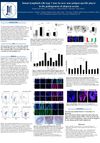
Innate lymphoid cells type 1 may contribute to alopecia areata by damaging hair follicles.
24 citations
,
January 2017 in “Dermatology online journal” Hormonal therapies might help treat hidradenitis suppurativa, but treatment is complex and personalized.
19 citations
,
August 2018 in “JAMA dermatology” Mesenchymal stem cells in people with Hidradenitis Suppurativa are more inflammatory, possibly contributing to the disease.
3D-ultrasound can non-invasively detect and predict alopecia areata phases and outcomes.

Blocking CXCR4 may help treat hidradenitis suppurativa.
2 citations
,
June 2004 in “Expert review of pharmacoeconomics & outcomes research” Cheap treatments for excessive hair growth in women can improve symptoms by 35-40% after one year.
October 2018 in “Deep Blue (University of Michigan)” Hair follicle development involves specific cells and genes, crucial for understanding severe skin diseases like harlequin ichthyosis.
 1 citations
,
August 2021 in “Movement disorders clinical practice”
1 citations
,
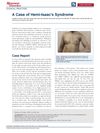
August 2021 in “Movement disorders clinical practice” A man with Isaac's syndrome affecting only one side of his body improved after immune system-targeted treatment.
October 2025 in “Nepal Journal of Dermatology Venereology & Leprology” PCOS is the main cause of hirsutism, often linked to insulin resistance.
January 2025 in “Excellence in Pediatrics Abstracts” Early recognition and treatment of hidradenitis suppurativa in children are crucial to prevent complications.
 October 2023 in “Acta Medica Nicomedia”
 Hirsutism greatly lowers the quality of life for Turkish women.
May 2008 in “10th European Congress of Endocrinology”  April 2023 in “Journal of Investigative Dermatology”
 Skin cells and immune cells change in a skin condition called hidradenitis suppurativa, and a certain treatment can improve these changes.