 July 2024 in “Journal of Investigative Dermatology”
 Losing both ERBB2 and ERBB3 receptors in mice causes significant skin problems and inflammation.
May 2024 in “International Journal of Molecular Sciences” Mouse hair follicle stem cells can help prevent Type 1 Diabetes.
 January 2024 in “Journal of Biosciences and Medicines”
 Combining Ginkgo biloba and butylphthalide improves cognitive recovery and reduces inflammation after a stroke.
Placental cell medium boosts blood vessel growth in lab tests.

Proretinal nanoparticles are a safe and effective way to deliver retinal to the skin.
 April 2018 in “Journal of Investigative Dermatology”
 Kaempferol helps skin stem cells grow and may improve skin thickness due to its 3-OH group.
 January 2018 in “Springer eBooks”
 PDE inhibitors, especially PDE4 inhibitors like apremilast, are effective for certain inflammatory skin conditions but have side effects and can be costly.
 14 citations
,
September 2018 in “International Journal of Molecular Sciences”
14 citations
,
September 2018 in “International Journal of Molecular Sciences” Mackerel-derived fermented fish oil helps hair grow by activating growth pathways and increasing cell proliferation.
 April 2018 in “Journal of Investigative Dermatology”
 Cutaneous lupus patients have higher levels of certain immune cells in their blood and skin.
 48 citations
,
January 2024 in “Immune Network”
48 citations
,
January 2024 in “Immune Network” IL-15 is key for T cell function and could help improve treatments for immune-related diseases.
5 citations
,
February 2008 in “Histopathology”  11 citations
,
October 2001 in “Dermatologic Clinics”
11 citations
,
October 2001 in “Dermatologic Clinics” The document concludes that DAB389-IL2 is promising for treating refractory cutaneous T-cell lymphoma, but more research is needed on its effectiveness and side effect management.
10 citations
,
November 2023 in “Science Immunology” Super-enhancers control CD25 expression in specific cell types, affecting immune function.
5 citations
,
November 2005 in “Journal of Investigative Dermatology” 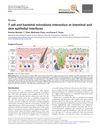 January 2023 in “Discovery immunology”
 T cells and bacteria in the gut and skin help maintain health and protect against disease.
IL-18 signaling helps mature Tregs move into the thymus.
November 2022 in “Journal of Investigative Dermatology” ILC1-like cells can cause alopecia areata by affecting hair follicles.
 6 citations
,
July 2015 in “Journal of Investigative Dermatology”
6 citations
,
July 2015 in “Journal of Investigative Dermatology” Chicken feather gene mutation helps understand human hair disorders.
 5 citations
,
June 2012 in “The journal of investigative dermatology/Journal of investigative dermatology”
5 citations
,
June 2012 in “The journal of investigative dermatology/Journal of investigative dermatology” Putting thymidine dinucleotide on newborn mice's skin can delay and reduce skin cancer.
 1 citations
,
September 2022 in “Nepal journal of dermatology, venereology & leprology”
1 citations
,
September 2022 in “Nepal journal of dermatology, venereology & leprology” Apremilast shows promise for several skin conditions but needs more research.
 July 2022 in “L Endocrinologo”
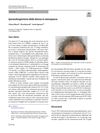
 A 77-year-old woman with hair loss had high testosterone and 17OH-progesterone levels, but no significant findings on imaging.
 April 2018 in “The journal of investigative dermatology/Journal of investigative dermatology”
 Androgens increase growth factors in skin cells, which may lead to acne.
 April 2018 in “Journal of Investigative Dermatology”
 IL-17C is important in inflammatory skin diseases and could be a target for treatment.
IL-18 signaling helps mature Tregs move into the thymus.
July 2024 in “Journal of Investigative Dermatology” OR101 may effectively treat atopic dermatitis and similar skin conditions.
22 citations
,
September 2020 in “The journal of investigative dermatology/Journal of investigative dermatology” The study's results on the effectiveness of low-dose IL-2 for alopecia areata and its impact on immune cells were not provided.
30 citations
,
February 2023 in “Journal of Investigative Dermatology” OX40-targeted therapies may help treat skin diseases by reducing inflammation and balancing immune responses.
 November 2022 in “The journal of investigative dermatology/Journal of investigative dermatology”
 IL-15 promotes hair growth and protects hair follicles.
 April 2023 in “Journal of Investigative Dermatology”
 PX-12 may help treat psoriasis by blocking inflammation and cell death.
 110 citations
,
July 2017 in “Immunology”
110 citations
,
July 2017 in “Immunology” Skin's Regulatory T cells are crucial for maintaining skin health and could be targeted to treat immune-related skin diseases and cancer.