November 2022 in “Journal of Investigative Dermatology” ILC1-like cells can cause alopecia areata by affecting hair follicles.
18 citations
,
February 2023 in “eLife” ILC1-like cells can independently cause alopecia areata.
 June 2022 in “bioRxiv (Cold Spring Harbor Laboratory)”
 ILC1-like cells can cause alopecia areata by attacking hair follicles.
33 citations
,
January 1997 in “Journal of Investigative Dermatology” Interleukin-1β stops hair growth by increasing cyclic AMP levels.
 April 2021 in “Journal of Investigative Dermatology”
 IL-15 helps protect hair follicles from immune attacks and encourages hair growth.
August 2021 in “Journal of Investigative Dermatology” ILC1-like cells can cause alopecia areata by disrupting hair follicle immunity, suggesting a new treatment approach.
January 2015 in “ScholarlyCommons (University of Pennsylvania)” IL-19 and IL-24 help cells respond to DNA damage and could be targeted for cancer and age-related disease treatments.
 November 2022 in “The journal of investigative dermatology/Journal of investigative dermatology”
 IL-15 promotes hair growth and protects hair follicles.
 April 2018 in “Journal of Investigative Dermatology”
 IL-17C is important in inflammatory skin diseases and could be a target for treatment.
3 citations
,
September 2024 in “Experimental Dermatology” IL-18 levels are higher in hidradenitis suppurativa patients and may indicate disease severity.
38 citations
,
March 1997 in “Journal of interferon & cytokine research” IL-1β inhibits human hair follicle growth.
 July 2022 in “Journal of Investigative Dermatology”
 IL-15 helps maintain hair growth and protects the immune status of hair follicles.
September 2019 in “Journal of Investigative Dermatology” Innate lymphoid cells type 1 may contribute to alopecia areata.
14 citations
,
September 2006 in “Experimental Dermatology” Interleukin‐1 α reduces androgen receptor levels and increases certain cytokines in human scalp cells.
1 citations
,
August 2021 in “Journal of Investigative Dermatology” ASLAN004 was safe and well-tolerated, supporting further development for treating certain diseases.
2 citations
,
February 2024 in “Medicine” A mutation in the IL2RA gene increases the risk of alopecia areata.
 April 2018 in “Journal of Investigative Dermatology”
 Cutaneous lupus patients have higher levels of certain immune cells in their blood and skin.
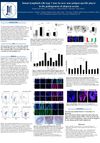
Innate lymphoid cells type 1 may contribute to alopecia areata by damaging hair follicles.
 48 citations
,
January 2024 in “Immune Network”
48 citations
,
January 2024 in “Immune Network” IL-15 is key for T cell function and could help improve treatments for immune-related diseases.
77 citations
,
April 2016 in “British journal of dermatology/British journal of dermatology, Supplement” IL-17 is a key target for treating inflammatory skin diseases, especially psoriasis.
IL-18 signaling helps mature Tregs move into the thymus.
April 2023 in “Journal of Investigative Dermatology” RNase L suppresses regeneration in mammals.
 April 2023 in “The journal of investigative dermatology/Journal of investigative dermatology”
 Removing certain immune cells in mice causes their hair to enter the growth phase earlier than usual.
July 2024 in “Journal of Investigative Dermatology” IL-13 protein is much higher in the skin of atopic dermatitis patients than in healthy skin.
ILC1-like cells can independently cause alopecia areata by affecting hair follicles.
April 2019 in “Journal of Investigative Dermatology” Blocking LFA-1 prevents hair loss in mice.
 January 2024 in “Asthma Allergy Immunology”
 Innate lymphoid cells help us understand and manage allergic diseases better.
1 citations
,
January 2025 in “Archives of Dermatological Research” Higher levels of IL-1R1 and hsa-miR-19b-3p may help diagnose and predict alopecia areata severity.
 April 2023 in “Journal of Investigative Dermatology”
 IL-9/IL-9R signaling can negatively affect human hair growth and may be a target for treating hair loss conditions.
 1 citations
,
April 2024 in “Journal of Autoimmunity”
1 citations
,
April 2024 in “Journal of Autoimmunity” Interleukin-15 can help hair growth and protect hair follicles.