 41 citations
,
February 2001 in “Current pharmaceutical design”
41 citations
,
February 2001 in “Current pharmaceutical design” Current and future treatments for alopecia areata focus on immunosuppression, immunomodulation, and protecting hair follicles.
 36 citations
,
December 2015 in “Drugs”
36 citations
,
December 2015 in “Drugs” New treatments for a chronic skin condition show promise, but individualized plans are crucial due to varying responses.
 22 citations
,
March 2017 in “Scientific reports”
22 citations
,
March 2017 in “Scientific reports” Double-stranded RNA causes inflammation in hair follicle cells, which may help understand and treat alopecia areata.
 17 citations
,
September 2003 in “Journal of Investigative Dermatology Symposium Proceedings”
17 citations
,
September 2003 in “Journal of Investigative Dermatology Symposium Proceedings” Old treatments for other skin conditions showed promise for hair regrowth in mice with a hair loss condition.
 11 citations
,
January 2017 in “Oxidative medicine and cellular longevity”
11 citations
,
January 2017 in “Oxidative medicine and cellular longevity” Antroquinonol may help prevent skin depigmentation by suppressing certain immune cells.
 1 citations
,
January 2025 in “Frontiers in Immunology”
1 citations
,
January 2025 in “Frontiers in Immunology” Genetically at-risk healthy people show similar immune issues as those with Pemphigus vulgaris or Alopecia areata.
 April 2015 in “Andrology”
 HNG may help prevent the negative effects of chemotherapy on sperm production and white blood cell counts.
 123 citations
,
May 2009 in “Journal of Neuroscience”
123 citations
,
May 2009 in “Journal of Neuroscience” In late pregnancy, allopregnanolone reduces stress responses in rats by affecting brain chemicals.
 65 citations
,
June 2020 in “Stem Cell Research & Therapy”
65 citations
,
June 2020 in “Stem Cell Research & Therapy” Certain immune system proteins are important for skin healing but can cause problems if there are too many of them.
14 citations
,
July 2021 in “Anais brasileiros de dermatologia/Anais Brasileiros de Dermatologia” Interleukin levels are higher in alopecia areata patients but don't predict disease severity or duration.
 14 citations
,
January 2020 in “Advances in Dermatology and Allergology”
14 citations
,
January 2020 in “Advances in Dermatology and Allergology” Higher interleukin-15 levels are linked to more severe alopecia areata, but not to age or gender.
 7 citations
,
February 2019 in “Journal of pharmacological sciences”
7 citations
,
February 2019 in “Journal of pharmacological sciences” Bazhengsan reduces inflammation and tissue growth in chronic prostatitis.
 123 citations
,
September 1987 in “JAMA”
123 citations
,
September 1987 in “JAMA” IL-2 treatment causes skin eruptions and other reversible side effects, and may play a role in psoriasis.
 May 2025 in “Galen Medical Journal”
 New targeted therapies for psoriasis show promise but face challenges like side effects and treatment resistance.
245 citations
,
October 2015 in “Nature medicine” Hair follicle-derived IL-7 and IL-15 are crucial for maintaining skin-resident memory T cells and could be targeted for treating skin diseases and lymphoma.
 138 citations
,
July 2015 in “Clinical, Cosmetic and Investigational Dermatology”
138 citations
,
July 2015 in “Clinical, Cosmetic and Investigational Dermatology” Eating less sugar, milk, and saturated fats and more vegetables and fish may help treat and prevent acne.
 128 citations
,
August 2015 in “Cell Stem Cell”
128 citations
,
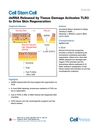
August 2015 in “Cell Stem Cell” Damage to skin releases dsRNA, which activates TLR3 and helps in skin and hair follicle regeneration.
 127 citations
,
January 2013 in “PLOS ONE”
127 citations
,
January 2013 in “PLOS ONE” Probiotic bacteria improved skin and hair health in aged mice.
 125 citations
,
September 2019 in “Journal of Clinical Immunology”
125 citations
,
September 2019 in “Journal of Clinical Immunology” Foxp3 is crucial for regulatory T cell function, and targeting these cells may help treat immune disorders.
88 citations
,
August 2014 in “PLOS genetics” Syndecan-1 is essential for maintaining skin fat and preventing cold stress.
 78 citations
,
June 2021 in “Dermatology and Therapy”
78 citations
,
June 2021 in “Dermatology and Therapy” Future acne treatments should aggressively target inflammation to prevent scarring.
 77 citations
,
June 2017 in “Advances in Therapy”
77 citations
,
June 2017 in “Advances in Therapy” New treatments for Alopecia Areata, like JAK inhibitors, show promise for hair regrowth and are likely to change future treatment approaches.
 62 citations
,
June 2015 in “The Journal of Dermatology”
62 citations
,
June 2015 in “The Journal of Dermatology” People with alopecia areata have more Th17 cells and fewer Treg cells, which may be key to the condition's development.
59 citations
,
September 2021 in “Journal of Allergy and Clinical Immunology” Netherton syndrome has two subtypes with shared immune traits but different allergic and immune responses, suggesting targeted treatments.
 47 citations
,
October 2014 in “Expert Opinion on Emerging Drugs”
47 citations
,
October 2014 in “Expert Opinion on Emerging Drugs” New alopecia treatments aim for better results and fewer side effects.
44 citations
,
June 2023 in “Cell Reports” IL-1 promotes fat cell growth in skin, while WNT inhibits it and encourages scar formation.
42 citations
,
July 2013 in “Gene” IL-4 gene variation may increase the risk of alopecia areata in Turkish people.
 41 citations
,
June 2006 in “Journal of Investigative Dermatology”
41 citations
,
June 2006 in “Journal of Investigative Dermatology” Beard and scalp hair cells have different gene expressions, which may affect beard growth characteristics.
 40 citations
,
August 2022 in “Frontiers in immunology”
40 citations
,
August 2022 in “Frontiers in immunology” Blocking JAK/STAT pathways can help treat hair loss from alopecia areata.
 35 citations
,
February 2015 in “Experimental Dermatology”
35 citations
,
February 2015 in “Experimental Dermatology” Cells from the base of hair follicles help blood vessel cells survive and grow, which is important for healthy hair.