 12 citations
,
March 2016 in “BBA clinical”
12 citations
,
March 2016 in “BBA clinical” Increased Toll-like receptors in blood cells may contribute to alopecia areata and could be a target for new treatments.
2 citations
,
September 2004 in “Experimental Dermatology” VR1 signaling can inhibit hair growth by affecting cell processes and increasing hair growth inhibitors.
5 citations
,
February 2022 in “Seminars in cell & developmental biology” Recent findings suggest that genetic factors, immune system issues, and skin cell defects might contribute to the development of hidradenitis suppurativa.
 2 citations
,
April 2018 in “Journal of Investigative Dermatology”
2 citations
,
April 2018 in “Journal of Investigative Dermatology” Frontal fibrosing alopecia shows increased inflammation and JAK-STAT pathway activity without reduced hair proteins.
2 citations
,
September 2014 in “Nature reviews. Drug discover/Nature reviews. Drug discovery” Specific immune cells cause alopecia areata and blocking certain proteins can prevent it.
 April 2012 in “Encyclopedia of Life Sciences”
 Different genes are linked to various types of hair loss.
 July 2022 in “The journal of investigative dermatology/Journal of investigative dermatology”
 Particulate matter causes inflammation in hair cells, potentially harming hair growth.
717 citations
,
June 2010 in “Nature” Alopecia areata involves both innate and adaptive immunity, with specific genes linked to the disease.
701 citations
,
August 2014 in “Nature medicine” Alopecia areata can be reversed by JAK inhibitors, promoting hair regrowth.
 May 2026 in “Frontiers in Endocrinology”
 Exposure to particulate matter worsens postpartum hair loss by affecting inflammation and cell death pathways.
3 citations
,
October 2024 in “International Journal of Molecular Sciences” CRET therapy affects inflammation in skin cells by changing cytokine levels and activating certain proteins.
June 2026 in “Integrative Medicine Research” Connarus semidecandrus extract may safely help regrow hair in androgenetic alopecia.
January 2025 in “International Journal of Molecular Sciences” Fenugreek extract may help treat benign prostatic hyperplasia.
7 citations
,
March 2022 in “International Journal of Molecular Sciences” FGF21 can help reduce skin inflammation caused by C. acnes.
April 2017 in “The journal of investigative dermatology/Journal of investigative dermatology” Double stranded RNA helps skin wounds heal by coordinating specific proteins and signaling pathways.
1 citations
,
August 2021 in “Journal of Investigative Dermatology” ASLAN004 was safe and well-tolerated, supporting further development for treating certain diseases.
30 citations
,
August 1993 in “PubMed” IL-1 alpha stops hair follicle growth and hair production.
October 2021 in “Journal of Investigative Dermatology” Blocking IL-12 can help treat alopecia areata by preventing hair follicle immune issues.
 September 1997 in “JEADV. Journal of the European Academy of Dermatology and Venereology/Journal of the European Academy of Dermatology and Venereology”
 Anti-IL-1 treatments might help with certain types of hair loss in people with high inflammation.
 12 citations
,
August 2019 in “Dermatitis”
12 citations
,
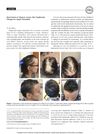
August 2019 in “Dermatitis” Dupilumab for skin problems might reactivate hair loss in some patients.
 1 citations
,
May 2012 in “Hair transplant forum international”
1 citations
,
May 2012 in “Hair transplant forum international” Hair loss in men may be caused by inflammation triggered by hormones, and treatments reducing inflammation could potentially promote hair growth.
 1 citations
,
January 2024 in “Nature communications”
1 citations
,
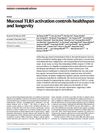
January 2024 in “Nature communications” Activating TLR5 in the gut can extend lifespan and improve health in aged mice.
November 2025 in “Journal of Investigative Dermatology” CBD can help hair grow by supporting scalp health and reducing inflammation.
 11 citations
,
October 2001 in “Dermatologic Clinics”
11 citations
,
October 2001 in “Dermatologic Clinics” The document concludes that DAB389-IL2 is promising for treating refractory cutaneous T-cell lymphoma, but more research is needed on its effectiveness and side effect management.
3 citations
,
January 2022 in “Russian Medical Inquiry” Atopic dermatitis may trigger alopecia areata, and early treatment can help prevent severe cases.
 1 citations
,
March 2019 in “Journal of Interdisciplinary Medicine”
1 citations
,
March 2019 in “Journal of Interdisciplinary Medicine” A patient with multiple sclerosis developed skin reactions after Daclizumab treatment, requiring more data on the drug's effects.
 21 citations
,
January 2024 in “Science Immunology”
21 citations
,
January 2024 in “Science Immunology” Regulatory T cells protect hair follicle stem cells by maintaining immune privilege in the skin.
 April 2016 in “Journal of Investigative Dermatology”
 Lithocholic acid helps hair growth and regeneration in alopecia by activating vitamin D receptors.
 20 citations
,
November 2005 in “Journal of Investigative Dermatology Symposium Proceedings”
20 citations
,
November 2005 in “Journal of Investigative Dermatology Symposium Proceedings” IFN-γ and IL-2 are important for T cell activation in hair loss in mice.
 32 citations
,
June 2012 in “PLoS ONE”
32 citations
,
June 2012 in “PLoS ONE” Blocking IL-8 can reduce skin rashes from cancer treatment.