 20 citations
,
December 2013 in “Journal of Dermatology”
20 citations
,
December 2013 in “Journal of Dermatology” UV-B light increases inflammation-related substances in acne-related skin cells.
 11 citations
,
November 2015 in “Experimental Dermatology”
11 citations
,
November 2015 in “Experimental Dermatology” The conclusion is that the IL-6/STAT3 activation affects p63 expression in healing wounds, which may help in hair follicle regeneration.
 8 citations
,
January 2022 in “Infectious diseases News Opinions Training”
8 citations
,
January 2022 in “Infectious diseases News Opinions Training” Genetic differences affect COVID-19 severity and treatment effectiveness.
 May 2026 in “Journal of the Egyptian Womenʼs Dermatologic Society”
 Intralesional methotrexate effectively treats patchy alopecia areata by reducing inflammation.
701 citations
,
August 2014 in “Nature medicine” Alopecia areata can be reversed by JAK inhibitors, promoting hair regrowth.
 19 citations
,
October 1994 in “Tumori Journal”
19 citations
,
October 1994 in “Tumori Journal” As of 1994, treatments for liver cancer had not significantly improved patient survival.
2 citations
,
August 2023 in “Molecules” SH-340 may improve skin barrier and help treat atopic dermatitis.
38 citations
,
March 1997 in “Journal of interferon & cytokine research” IL-1β inhibits human hair follicle growth.
 11 citations
,
March 2013 in “Gene”
11 citations
,
March 2013 in “Gene” A certain genetic variation in the IL1A gene may lower the risk of a hair loss condition in Chinese people.
10 citations
,
July 2023 in “Pharmaceuticals” The gel with coral extract and pectin nanoparticles helps heal chronic wounds.
9 citations
,
November 2022 in “Journal of Cosmetic Dermatology” Combining cryotherapy with steroids reduces keloid size more effectively than steroids alone.
 6 citations
,
January 2020 in “The journal of investigative dermatology/Journal of investigative dermatology”
6 citations
,
January 2020 in “The journal of investigative dermatology/Journal of investigative dermatology” New topical treatment using spherical nucleic acids shows promise in reducing psoriasis inflammation.
 5 citations
,
January 2022 in “Molecular Medicine Reports”
5 citations
,
January 2022 in “Molecular Medicine Reports” Pine bark extract helps mice grow hair by reducing inflammation and boosting growth factors.
5 citations
,
March 1993 in “The Journal of Cell Biology” A soluble factor in developing mouse whisker pads boosts nerve growth factor mRNA production.
3 citations
,
November 2024 in “Clinical Research” Deuruxolitinib is FDA-approved for treating severe alopecia areata.
 1 citations
,
September 2023 in “Journal of cosmetic dermatology”
1 citations
,
September 2023 in “Journal of cosmetic dermatology” Silybum marianum flower extract may help increase hair growth and decrease hair loss.
January 2026 in “Cosmetics” The fermented solution from Platycladus orientalis leaves may boost hair growth and reduce inflammation.
January 2026 in “Burns & Trauma” NLRP3 helps control inflammation and repair in wound healing, making it a potential target for treatment.
November 2025 in “Journal of Investigative Dermatology” Certain immune cells in atopic dermatitis skin could be targeted for treatment.
November 2025 in “The Journal of Dermatology” Minoxidil helps hair regrow faster in stress-related hair loss.
 October 2025 in “Records of Natural Products”
 Kaempferol promotes hair growth and could be a natural treatment for hair loss.
 June 2025 in “Current Issues in Molecular Biology”
 Meloside A may help protect hair cells from damage linked to hair loss.
Combining bromelain with finasteride improves hair regrowth and reduces inflammation in alopecia.
 November 2023 in “The journal of investigative dermatology/Journal of investigative dermatology”
 Rose stem cell nanoparticles improve skin quality by boosting collagen, aiding cell movement, reducing melanin, and lowering inflammation.
 April 2023 in “Journal of Investigative Dermatology”
 The new recombinant human collagen can help slow skin aging and repair skin, while also controlling inflammation.
 January 2020 in “Archives of Medicine and Health Sciences”
 Certain immune molecules and stress affect hair loss, and while genes play a role, more research is needed to fully understand and treat it.
December 2017 in “Annales de dermatologie et de vénéréologie” In 2017, pediatric dermatology advanced with new treatments and insights into various skin conditions in children.
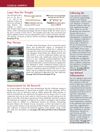 June 2017 in “Experimental dermatology”
 Skin has a larger surface area than thought, certain skin cells improve skin flap survival, better trials for skin conditions in children are needed, Stevens-Johnson syndrome rates vary by age and race, and better skin barrier function may reduce inflammation in the elderly.
 July 2016 in “Cancer Research”
 A topical lotion helped manage hair loss from chemotherapy by affecting cell death, inflammation, and collagen, with no side effects.
 May 2004 in “International Journal of Cosmetic Science”
 Melanogenesis inhibitors like kojic acid and niacinamide can reduce inflammation and pigment production in skin cells.