 59 citations
,
June 2023 in “Nature Aging”
59 citations
,
June 2023 in “Nature Aging” Blocking IL-17 signaling may reduce skin inflammation and delay aging.
 March 2026 in “Frontiers in Medicine”
 Different types of alopecia cause hair loss due to immune system issues, with some allowing regrowth and others causing permanent loss.
 December 2023 in “bioRxiv (Cold Spring Harbor Laboratory)”
 AP-2α and AP-2β proteins are essential for healthy adult skin and hair.
4 citations
,
June 2025 in “Cell Reports” Clonally expanded CD8+ T cells cause alopecia areata.
 April 2026 in “Frontiers in Medicine”
 Farudodstat may help prevent hair loss in alopecia areata by stopping immune attacks on hair follicles.

Farudodstat can prevent hair follicle immune damage linked to alopecia areata.
181 citations
,
January 2019 in “Cell” Innate lymphoid cells help control skin bacteria by regulating sebaceous glands.
 9 citations
,
July 2022 in “EMBO molecular medicine”
9 citations
,
July 2022 in “EMBO molecular medicine” Blocking certain immune signals can reduce skin damage from radiation therapy.
 March 2024 in “International Journal of Cosmetic Science”
 Dandruff is linked to increased T cells and weakened immune protection in hair follicles.
January 2026 in “Journal of Investigative Dermatology” Special cells can help regrow hair in alopecia areata.
4 citations
,
January 2025 in “The Journal of Cell Biology” Ceramide Synthase 4 is crucial for maintaining hair follicle stem cells and preventing hair loss.
 August 2023 in “International Journal of Molecular Sciences”
 Human skin xenografting could improve our understanding of skin development, renewal, and healing.
55 citations
,
October 2019 in “The journal of allergy and clinical immunology/Journal of allergy and clinical immunology/The journal of allergy and clinical immunology” The review suggests that other immune cells besides CD8+ T cells may contribute to alopecia areata and that targeting regulatory cell defects could improve treatment.
 May 2024 in “Frontiers in Immunology”
 Type-2 immunity may influence skin diseases and could be targeted for treatment.
 1 citations
,
October 2023 in “Life science alliance”
1 citations
,
October 2023 in “Life science alliance” Pantethine may boost the immune system's ability to fight sarcoma.
181 citations
,
December 2017 in “Trends in immunology” Intestinal intraepithelial lymphocytes are crucial for gut immunity and maintaining the mucosal barrier.
5 citations
,
October 2025 in “Expert Review of Clinical Immunology” New treatments for alopecia areata focus on targeting immune responses for better results.
 September 2025 in “Dermatology and Therapy”
 Activated PRP effectively increases hair density and reduces hair loss in alopecia.
May 2026 in “Clinical Reviews in Allergy & Immunology” 4 citations
,
November 2025 in “Nature Reviews Disease Primers” 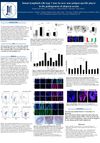
Innate lymphoid cells type 1 may contribute to alopecia areata by damaging hair follicles.
7 citations
,
January 2021 in “bioRxiv (Cold Spring Harbor Laboratory)” Skin cells control immune cell placement, helping the skin respond better to challenges.
 146 citations
,
June 2012 in “PLoS ONE”
146 citations
,
June 2012 in “PLoS ONE” Paneth cells help support stem cells and aid tissue regeneration after injury.
 10 citations
,
July 2021 in “Archiv für Pathologische Anatomie und Physiologie und für Klinische Medicin”
10 citations
,
July 2021 in “Archiv für Pathologische Anatomie und Physiologie und für Klinische Medicin” LRIG1 is linked to better survival in Merkel cell carcinoma.
 7 citations
,
February 2023 in “Inflammation and Regeneration”
7 citations
,
February 2023 in “Inflammation and Regeneration” The protein interleukin-1 alpha helps regenerate hair follicles and increase stem cell growth in mice.
421 citations
,
September 2003 in “Development” Stem cell behavior varies with stimuli, and lineage changes can happen without affecting stem cell division.
 27 citations
,
September 1992 in “The Lancet”
27 citations
,
September 1992 in “The Lancet” ICL is a condition with low CD4+ T cells like AIDS but not caused by HIV, and normal CD4+ T cell counts may vary between men and women.
503 citations
,
May 2009 in “Cell stem cell” Lrig1 marks a unique group of stem cells in mouse skin that can become different skin cell types.
 22 citations
,
December 2013 in “Molecular biology of the cell”
22 citations
,
December 2013 in “Molecular biology of the cell” ILK is essential for proper hair follicle development and structure.
33 citations
,
August 2000 in “Experimental Cell Research”