18 citations
,
February 2023 in “eLife” ILC1-like cells can independently cause alopecia areata.
ILC1-like cells may contribute to hair loss in alopecia areata.
ILC1-like cells can independently cause alopecia areata by affecting hair follicles.
ILC1-like cells may contribute to hair loss in alopecia areata and could be new treatment targets.
November 2022 in “Journal of Investigative Dermatology” Mitochondrial stress can lead to atopic dermatitis.
November 2022 in “Journal of Investigative Dermatology” ILC1-like cells can cause alopecia areata by affecting hair follicles.
 June 2022 in “bioRxiv (Cold Spring Harbor Laboratory)”
 ILC1-like cells can cause alopecia areata by attacking hair follicles.
 3 citations
,
April 2019 in “The journal of investigative dermatology/Journal of investigative dermatology”
3 citations
,
April 2019 in “The journal of investigative dermatology/Journal of investigative dermatology” ILC1 cells contribute to hair loss in alopecia areata.
181 citations
,
December 2017 in “Trends in immunology” Intestinal intraepithelial lymphocytes are crucial for gut immunity and maintaining the mucosal barrier.
August 2021 in “Journal of Investigative Dermatology” ILC1-like cells can cause alopecia areata by disrupting hair follicle immunity, suggesting a new treatment approach.
 27 citations
,
September 1992 in “The Lancet”
27 citations
,
September 1992 in “The Lancet” ICL is a condition with low CD4+ T cells like AIDS but not caused by HIV, and normal CD4+ T cell counts may vary between men and women.
 January 2024 in “Asthma Allergy Immunology”
 Innate lymphoid cells help us understand and manage allergic diseases better.
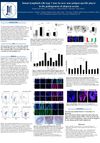
Innate lymphoid cells type 1 may contribute to alopecia areata by damaging hair follicles.
September 2019 in “Journal of Investigative Dermatology” Innate lymphoid cells type 1 may contribute to alopecia areata.
28 citations
,
January 2015 in “Journal of Cell Science” PINCH-1 is crucial for skin cell adhesion and movement, working with EPLIN and ILK.
December 2015 in “OPAL (Open@LaTrobe) (La Trobe University)” QLT0267 stops hair follicle cell growth and movement.
33 citations
,
August 2000 in “Experimental Cell Research”  9 citations
,
April 2021 in “Frontiers in Immunology”
9 citations
,
April 2021 in “Frontiers in Immunology” Unconventional lymphocytes are important for quick immune responses and healing of skin and mucosal barriers.
 April 2023 in “The journal of investigative dermatology/Journal of investigative dermatology”
 Removing certain immune cells in mice causes their hair to enter the growth phase earlier than usual.
 5 citations
,
October 2019 in “The journal of investigative dermatology/Journal of investigative dermatology”
5 citations
,
October 2019 in “The journal of investigative dermatology/Journal of investigative dermatology” The research linked PLCD1 gene variants to the development of trichilemmal cysts.
 22 citations
,
December 2013 in “Molecular biology of the cell”
22 citations
,
December 2013 in “Molecular biology of the cell” ILK is essential for proper hair follicle development and structure.
1 citations
,
January 2023 in “Pediatric Dermatology” Early diagnosis and teamwork are crucial for managing ILVASC effectively.
February 2024 in “International journal of molecular sciences” Type 3 Innate Lymphoid Cells help maintain skin health and balance, and are involved in skin diseases and healing.
1 citations
,
August 2021 in “Journal of Investigative Dermatology” ASLAN004 was safe and well-tolerated, supporting further development for treating certain diseases.
20 citations
,
July 2017 in “Journal of Investigative Dermatology” IL-1 receptor absence in mice leads to skin cysts and changes in immune response after UVB exposure.
 9 citations
,
May 2012 in “PLOS ONE”
9 citations
,
May 2012 in “PLOS ONE” ILK is essential for skin development, pigmentation, and healing.
13 citations
,
September 2012 in “Cell & tissue research/Cell and tissue research” pCLCA2 protein may help maintain skin structure and function.
 165 citations
,
September 2001 in “Genes & development”
165 citations
,
September 2001 in “Genes & development” CDP is crucial for lung and hair follicle cell development.
 March 2026 in “SKIN The Journal of Cutaneous Medicine”
 All parts of the CLASI-A score are important for assessing skin activity in cutaneous lupus erythematosus.
 April 2018 in “Journal of Investigative Dermatology”
 IL-17C is important in inflammatory skin diseases and could be a target for treatment.