 April 2021 in “Research Square (Research Square)”
 The new cocrystal KET-PABA is a more effective and safe anti-inflammatory treatment for skin conditions in mice.
Ovulation inhibitors effectively treat menstrual issues and improve fertility but can have side effects.
 1 citations
,
October 2018 in “Infectious diseases in clinical practice”
1 citations
,
October 2018 in “Infectious diseases in clinical practice” Azithromycin can rarely cause a severe drop in white blood cells.
 March 2021 in “Clin-Alert”
 The FDA warned about safety issues with remdesivir and tofacitinib, finasteride is linked to suicidality, potent topical corticosteroids increase osteoporosis risk, henna can cause hemolysis in G6PD deficiency, chemotherapeutic agents can cause adverse reactions, drug interactions are common in cancer patients, ketamine can reduce at-risk drinking, high dose of anticholinergics increases dementia risk in Parkinson's patients, and prenatal exposure to second-generation antipsychotics increases pregnancy complications.
 4 citations
,
December 1962 in “European journal of endocrinology”
4 citations
,
December 1962 in “European journal of endocrinology” Alloxan diabetes, methylthiouracil, cortisone, and adrenaline affect how white mice hair follicles use glucose and cystine and their cell division.
June 2013 in “Clinical Neurophysiology” Finasteride improved reflexes and motor activity in rats with liver-related brain issues.
March 2023 in “Brazilian Journal of Health Review” The combination tablet of finasteride and doxazosin works the same as taking each drug separately.
 26 citations
,
September 2018 in “Neurobiology of Disease”
26 citations
,
September 2018 in “Neurobiology of Disease” Finasteride and dutasteride reduce unwanted movements from Parkinson's disease treatment by normalizing certain brain signals.
 60 citations
,
December 1998 in “Clinical Pharmacology & Therapeutics”
60 citations
,
December 1998 in “Clinical Pharmacology & Therapeutics” Both drugs lower DHT levels, with GI198745 being more effective.
 May 2015 in “Evidence Based Women Health Journal (Online)”
 Inositol was more effective than metformin in improving menstrual cycles and pregnancy rates in PCOS patients.
 13 citations
,
November 2014 in “Toxicology Letters”
13 citations
,
November 2014 in “Toxicology Letters” Finasteride affects UGT1A4 enzyme, but not enough to cause issues when combined with other drugs.
 15 citations
,
November 2002 in “Cardiology in Review”
15 citations
,
November 2002 in “Cardiology in Review” Cardiovascular drugs can cause various skin problems, so recognizing these reactions is important.
December 2025 in “Skin Appendage Disorders” Topical cetirizine may help increase hair count in androgenetic alopecia.
5 citations
,
October 2001 in “British Journal of Ophthalmology” Sulphadiazine can cause crystals to form in urine.
February 2025 in “Iranian journal of pharmaceutical research” 2 citations
,
February 2016 in “Irish journal of psychological medicine” Mirtazapine may cause hair loss and change hair color, but stopping the drug can reverse these effects.
2 citations
,
July 2022 in “Sexual Medicine” Certain medications, especially 5-α reductase inhibitors and neuropsychiatric drugs, are often linked to erectile dysfunction.
Certain medications, especially 5-alpha reductase inhibitors, are commonly linked to erectile dysfunction.
24 citations
,
February 2007 in “Hormone and metabolic research” The substance MK386 effectively blocked testosterone conversion and reduced cell growth in certain skin cells, but inhibiting 5α-reductase alone may not greatly improve acne.
 4 citations
,
August 2021 in “Biomedicine & Pharmacotherapy”
4 citations
,
August 2021 in “Biomedicine & Pharmacotherapy” 5-alpha reductase inhibitors, like finasteride and dutasteride, may cause depression, but more research is needed to understand why.
 April 2026 in “Ankara Üniversitesi Veteriner Fakültesi Dergisi”
 Mueller-Hinton Agar is better for testing antifungal susceptibility in Microsporum canis and Nannizzia gypsea.
 August 2022 in “Nature Biotechnology”
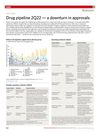
 Drug approvals slowed in 2Q22, but notable drugs like Amvuttra, Camzyos, and Olumiant were approved.
 October 2008 in “Clin-alert”
 Certain medications can reduce mortality risk in COPD patients, but others can increase risks of cardiovascular issues, postoperative delirium, and other adverse effects.
 50 citations
,
May 2000 in “Fertility and Sterility”
50 citations
,
May 2000 in “Fertility and Sterility” Flutamide reduces hair growth better but has more side effects.
 6 citations
,
February 2020 in “Journal of Natural Products”
6 citations
,
February 2020 in “Journal of Natural Products” A new compound from a sponge strongly inhibits an enzyme linked to male-pattern hair loss without being toxic at low levels.
 1 citations
,
March 2022 in “International Journal of Nutrology”
1 citations
,
March 2022 in “International Journal of Nutrology” Myo-inositol improves fertility and metabolic health in PCOS with fewer side effects than metformin.
February 2026 in “Case Reports in Dermatology” Finasteride can cause melasma, especially in people with darker skin.
30 citations
,
January 2007 Cyclophosphamide can cause serious short-term and long-term side effects, including increased cancer risk and infertility.
42 citations
,
December 1976 in “PubMed” Cyproterone acetate and ethinylestradiol effectively reduce hirsutism and acne in women.
 February 2013 in “Journal of The American Academy of Dermatology”
 Hair loss is a common but often unreported side effect of cancer treatments, especially for breast and prostate cancers.