 June 2023 in “Research Square (Research Square)”
 Hair loss in male pattern baldness is linked to changes in immune cell behavior around hair follicles.
 April 2023 in “The journal of investigative dermatology/Journal of investigative dermatology”
 Psoriasis patients on biologic therapy have a weaker immune response to COVID-19 vaccination than healthy people.
December 2022 in “Journal of Pakistan Association of Dermatologists” Zinc is vital for immune health and can help treat some autoimmune diseases.
December 2022 in “Experimental and Clinical Physiology and Biochemistry” A lotion with 5% minoxidil boosts the immune response in guinea pigs.
 July 2022 in “Journal of Investigative Dermatology”
 IL-15 helps maintain hair growth and protects the immune status of hair follicles.
May 2021 in “bioRxiv (Cold Spring Harbor Laboratory)” Calprotectin starves Pseudomonas aeruginosa of essential metals, affecting its growth and resistance.

A new compound from Royoporus badius activates immune cells and induces inflammatory responses.
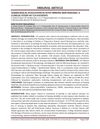 April 2015 in “Journal of Evolution of Medical and Dental Sciences”
 People with autoimmune skin diseases often have hearing problems and should get their hearing checked early.
February 2019 in “Psychoneuroendocrinology” Hair samples can reliably show average long-term hormone levels in young women.
 223 citations
,
September 2018 in “Rheumatology”
223 citations
,
September 2018 in “Rheumatology” JAK inhibitors are effective in treating various immune-related diseases, not just rheumatoid arthritis.
195 citations
,
December 2009 in “Journal of Investigative Dermatology” Free fatty acids in sebum boost skin's defense against acne by increasing antimicrobial peptides.
88 citations
,
May 2020 in “Clinical therapeutics” Stress can worsen skin diseases by affecting immune cells, hormones, and neurotransmitters in the skin.
43 citations
,
April 1996 in “Journal of Investigative Dermatology”  33 citations
,
April 2011 in “Journal of Veterinary Internal Medicine”
33 citations
,
April 2011 in “Journal of Veterinary Internal Medicine” Long-term fluticasone treatment does not harm the immune system in horses with heaves.
29 citations
,
December 2021 in “Biomedicines” Exosomes from different stem cell sources affect immune cells and brain cell growth differently.
28 citations
,
June 2021 in “Frontiers in immunology” A protein called lfTSLP is important in causing allergic and other skin diseases and could be a target for treatment.
21 citations
,
August 2024 in “Journal of Clinical Medicine” Proper nutrition can help balance the immune system and reduce allergies.
 21 citations
,
January 2021 in “Therapeutic Advances in Endocrinology and Metabolism”
21 citations
,
January 2021 in “Therapeutic Advances in Endocrinology and Metabolism” Testosterone may have a dual role in COVID-19, potentially worsening outcomes in men, and testosterone therapy could help some patients, but more research is needed.
 20 citations
,
November 2019 in “Current Opinion in Systems Biology”
20 citations
,
November 2019 in “Current Opinion in Systems Biology” The document concludes that computational models are useful for understanding immune responses and could improve cancer immunotherapy.
 18 citations
,
March 2024 in “Frontiers in Pharmacology”
18 citations
,
March 2024 in “Frontiers in Pharmacology” Natural plant products like Proanthocyanidins and curcumin may help treat ischemic stroke by reducing inflammation.
 16 citations
,
September 2020 in “British journal of dermatology/British journal of dermatology, Supplement”
16 citations
,
September 2020 in “British journal of dermatology/British journal of dermatology, Supplement” The article suggests that targeting specific immune pathways could help control and treat the skin disease hidradenitis suppurativa.
11 citations
,
February 2023 in “Journal of Investigative Dermatology” Low m6Ascores in melanoma predict better survival and response to immunotherapy.
 9 citations
,
July 2011 in “Cytokine”
9 citations
,
July 2011 in “Cytokine” Finasteride helps reduce lung inflammation and damage after trauma and infection.
 8 citations
,
December 2021 in “International Journal of Family Studies, Food Science and Nutrition Health”
8 citations
,
December 2021 in “International Journal of Family Studies, Food Science and Nutrition Health” Extra virgin olive oil may boost the immune system and help fight infections like COVID-19.
6 citations
,
July 2021 in “Bulletin of the National Research Centre/Bulletin of the National Research Center” Understanding SARS-CoV-2's spread and immune response is key to developing treatments and vaccines, but preventive measures remain important.
5 citations
,
August 2024 in “Frontiers in Immunology” Upadacitinib effectively treats psoriasiform eczema and some related conditions.
 5 citations
,
January 2021 in “Inflammatory Bowel Diseases”
5 citations
,
January 2021 in “Inflammatory Bowel Diseases” Tofacitinib improved ulcerative colitis, skin ulcers, and hair loss in a patient who didn't respond well to other treatments.
4 citations
,
June 2025 in “Cell Reports” Clonally expanded CD8+ T cells cause alopecia areata.
4 citations
,
April 2025 in “Frontiers in Immunology” Extracellular vesicles could offer precise treatments for psychiatric conditions by targeting brain networks.
4 citations
,
August 2024 in “Journal of Clinical Medicine” COVID-19 mRNA vaccines may increase the risk of flare-ups in certain inflammatory diseases.