 2 citations
,
April 2023 in “South East European Journal of Immunology”
2 citations
,
April 2023 in “South East European Journal of Immunology” High leptin levels may promote skin cancer and inflammation, suggesting potential for leptin-targeted therapies.
 January 2026 in “Immunity & Inflammation”
 Autoimmune skin diseases result from genetic and environmental factors disrupting immune checkpoints.
November 2025 in “Journal of Kufa for Chemical Sciences” L-Selectin and adiponectin can help identify PCOS patients who respond to Metformin treatment.
October 2025 in “Burns & Trauma” Engineered probiotics can help heal wounds faster, especially in diabetic foot ulcers.
 July 2025 in “International Journal of Pharmaceutical Sciences Review and Research”
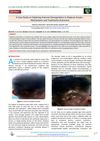
 Individualized treatment and psychological support improved the patient's quality of life and appearance despite medication side effects.
 June 2024 in “Research Square (Research Square)”
 Jagged-1 in skin Tregs is crucial for timely wound healing by recruiting specific immune cells.
Proper nutrition and vitamins can boost the immune system and overall health in older adults.
September 2017 in “The journal of investigative dermatology/Journal of investigative dermatology” EGFR inhibitors cause skin issues and hair loss by weakening skin defenses, suggesting antibiotics and targeted treatments can help.
January 2004 in “Weiliang yuansu yu jiankang yanjiu” Diabetics have lower chromium, manganese, and copper, but higher iron in their hair.
148 citations
,
September 2003 in “Journal of Investigative Dermatology Symposium Proceedings” Alopecia areata is an autoimmune disorder causing hair loss, linked to specific hair follicle antigens and genetic factors.
41 citations
,
February 2012 in “Journal of Neuroendocrinology” Allopregnanolone helps control oxytocin levels during pregnancy to prevent preterm labor.
 39 citations
,
January 2015 in “International journal for parasitology/International Journal for Parasitology”
39 citations
,
January 2015 in “International journal for parasitology/International Journal for Parasitology” Epidermal keratinocytes start wound healing and inflammation after schistosome infection.
30 citations
,
April 2007 in “Journal of Leukocyte Biology” Blocking CD44 can reduce leukocyte migration in autoimmune skin diseases.
22 citations
,
January 2012 in “Mediators of inflammation” Nonantibiotic macrolides show promise for treating various inflammatory skin conditions.
17 citations
,
May 2019 in “BMJ Open” JAK/STAT inhibitors show promise for skin diseases but aren't yet approved.
14 citations
,
March 2017 in “Genes and immunity” Certain microRNAs may help treat alopecia areata by targeting immune pathways.
11 citations
,
October 2023 in “ACS Pharmacology & Translational Science” Plant compounds may boost antiviral treatments.
10 citations
,
May 2011 in “American Journal of Hematology” Vinblastine can help treat childhood ITP but may cause reversible side effects.
8 citations
,
October 2023 in “Frontiers in Immunology” Certain cytokines may cause or be affected by immune skin diseases, suggesting possible new treatments.
7 citations
,
April 2025 in “Science Advances” Silicate-based therapy may help treat inflammatory heart disease by reducing immune inflammation.
5 citations
,
April 2019 in “Journal of Investigative Dermatology” Oral JAK inhibitors improved alopecia areata by modulating immune responses and boosting hair growth.
 2 citations
,
January 2024 in “European Journal of Case Reports in Internal Medicine”
2 citations
,
January 2024 in “European Journal of Case Reports in Internal Medicine” Beau's lines on fingernails might indicate past severe COVID-19 and risk of reinfection.
May 2026 in “Bioorganic Chemistry” March 2026 in “ACS Applied Materials & Interfaces” MCP@G improves diabetic wound healing by reducing stress and promoting tissue repair.
 July 2025 in “Russian Journal of Clinical Dermatology and Venereology”
 Tofacitinib may help hair regrowth in familial alopecia areata with immune issues, but more research is needed.
 May 2025 in “Experimental Dermatology”
 Triphenylphosphine oxide can increase oil production and reduce inflammation in skin cells without affecting TRPM5.
August 2024 in “Journal of the Egyptian Womenʼs Dermatologic Society” SOX10 in hair follicles is linked to inflammation in alopecia areata.
 September 2022 in “bioRxiv (Cold Spring Harbor Laboratory)”
 A parasite-derived molecule speeds up skin healing and affects immune cell behavior without increasing scarring.
July 2022 in “Journal of Investigative Dermatology” Different types of sun exposure can damage skin cells and affect healing, with chronic exposure being more harmful, and certain immune cells help in the repair process.