Search
for
Sort by
Research
330-360 / 1000+ results
research Signal integrator function of CXXC5 in Cancer
CXXC5 can both suppress and promote cancer, making it a complex target for treatment.
research Recognizing and managing dermatologic manifestations of celiac disease in children
Children with celiac disease often have skin issues, best managed with a gluten-free diet and sometimes medication.
research Biocompatibility of KAPs-Depleted Residual Hair
KAP-depleted hair causes less immune response and is more biocompatible for implants.

research Generating detailed intercellular communication patterns in psoriasis at the single-cell level using social networking, pattern recognition, and manifold learning methods to optimize treatment strategies
New insights into cell communication in psoriasis suggest innovative drug treatments.

research Integrated-omics profiling unveils the disparities of host defense to ECM scaffolds during wound healing in aged individuals
Aged individuals heal wounds less effectively due to specific immune cell issues.

research AP-2α/AP-2β transcription factors are key regulators of epidermal homeostasis
AP-2α and AP-2β proteins are essential for healthy adult skin and hair.

research Tracing immune cells around biomaterials with spatial anchors during large-scale wound regeneration
Immune cells are essential for skin regeneration using biomaterial scaffolds.
research Comparative Morphological Characterization of Skin after Subcutaneous Application of Hyaluronic Acid and Polycaprolactone in Rats: Establishment of an Experimental Model
Hyaluronic acid and polycaprolactone improve skin regeneration, with polycaprolactone having a stronger effect on healing and tissue repair.

research Avaliação do perfil fenotípico, proliferativo e secretório de células-tronco mesenquimais do tecido adiposo captadas por lipoaspiração assistida por laser
Mesenchymal stem cells from laser-assisted liposuction are as effective and safe as those from conventional methods for cell therapy.
research Zinc in the Soil and Its Importance for the Plants and Human Health. An integrated review
Zinc is essential for plant growth and human health, but many soils lack enough zinc, affecting crops and potentially leading to health problems.
research Signaling in the stem cell niche: regulating cell fate, function and plasticity
The niche environment controls stem cell behavior and plasticity, which is important for tissue health and repair.
research Chronic inflammatory diseases are stimulated by current lifestyle: how diet, stress levels and medication prevent our body from recovering
Modern lifestyles, including poor diet, stress, and long-term use of certain medications, hinder the body's ability to heal from inflammation, leading to chronic diseases.

research Study of gene expression alteration in male androgenetic alopecia: evidence of predominant molecular signalling pathways
Hair loss involves immune responses, inflammation, and disrupted signaling pathways.

research Genome-wide association study of skin complex diseases
Genetic variants linked to ten skin diseases were found, showing both immune and non-immune factors play a role.

research Alopecia Areata
The document concludes that ongoing research using animal models is crucial for better understanding and treating Alopecia Areata.
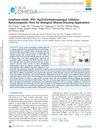
research Graphene Oxide–IPDI–Ag/ZnO@Hydroxypropyl Cellulose Nanocomposite Films for Biological Wound-Dressing Applications
The new nanocomposite films are stronger, protect against UV, speed up wound healing, and are antibacterial without being toxic.
research The Pathological Changes and Polymorphonuclear and Mast Cell Responses in the Skin of Specific Pathogen‐free Lambs Following Primary and Secondary Challenge with Orf Virus
Lambs' skin showed similar but more severe responses to a second orf virus infection, involving immune cells and new skin formation.

research Autoantigen Discovery in the Hair Loss Disorder, Alopecia Areata: Implication of Post-Translational Modifications
New protein changes may be involved in the immune attack on hair follicles in alopecia areata.

research Biology of melanocytes in mammals
Melanocytes are important for skin and hair color and protect the skin from UV damage.

research Evaluation of Animal Models Suitable for Hair Research and Regeneration
Animal models, especially mice, are essential for advancing hair loss research and treatment.
research Applications of Antioxidant Nanoparticles in Immune-Mediated Inflammatory Diseases
Antioxidant nanoparticles show promise for treating inflammatory diseases but need more research for safe and effective use.
research Scaffold-Assisted Artificial Hair Implantation in a Rat Model
Artificial hair implantation using scaffolds is possible and PHDPE is more biocompatible than ePTFE.

research The orchestrated network of skin photoaging: From intercellular crosstalk to molecular signaling
UV radiation causes skin aging by damaging cells and triggering harmful processes.
research Hypothesis: platelet-rich plasma as an adjunct therapy for eczema targeting inflammation, skin barrier repair, and chronic recurrence
Platelet-rich plasma might help treat eczema by reducing inflammation and repairing the skin.

research Fibroblast heterogeneity and functions: insights from single-cell sequencing in wound healing, breast cancer, ovarian cancer and melanoma
Different types of fibroblasts play specific roles in wound healing and cancer, which could help improve treatments.

research Recent advances in the genetics of alopecia areata
New research has found 14 genes linked to the risk of developing alopecia areata, improving understanding and treatment options.
research The importance of biomedical engineers in the health system
Biomedical engineers are crucial for developing better treatments for chronic and autoimmune diseases.
research Stress exposure modulates peptidergic innervation and degranulates mast cells in murine skin
Stress increases nerve fibers and immune cell activity in mouse skin, possibly worsening skin conditions.
research No evidence for the immunocompetence handicap hypothesis in male humans
Higher free testosterone levels in men are linked to a stronger immune response, not weaker.