May 2024 in “International Journal of Molecular Sciences” Mouse hair follicle stem cells can help prevent Type 1 Diabetes.
 March 2024 in “Drug development & registration”
 Mesenchymal stem cell secretome shows promise for skin treatments but needs more human trials.
March 2024 in “International journal of molecular sciences” taVNS reduces vitiligo symptoms in mice.
 November 2023 in “The journal of investigative dermatology/Journal of investigative dermatology”
 ARQ-234, a protein designed to treat atopic dermatitis, shows increased effectiveness in early testing.
 November 2023 in “The journal of investigative dermatology/Journal of investigative dermatology”
 OR-101 shows promise for treating alopecia areata by improving hair growth.
 November 2023 in “The journal of investigative dermatology/Journal of investigative dermatology”
 Blocking TYK2 might be a new way to treat hair loss from alopecia areata.
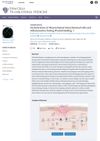 July 2023 in “Stem Cells Translational Medicine”
 Mesenchymal Stem/Stromal Cells (MSCs) help in wound healing and tissue regeneration, but can also contribute to tumor growth. They show promise in treating chronic wounds and certain burns, but their full healing mechanisms and potential challenges need further exploration.
November 2022 in “Journal of Investigative Dermatology” Statins may help treat alopecia areata by reducing harmful immune interactions.
 November 2022 in “The journal of investigative dermatology/Journal of investigative dermatology”
 TYK2 inhibition may help treat alopecia areata by promoting hair growth and reducing immune response.
December 2021 in “OPAL (Open@LaTrobe) (La Trobe University)” New therapies like JAK inhibitors and stem cells show promise in treating vitiligo.
April 2017 in “The journal of investigative dermatology/Journal of investigative dermatology” Topical Vorinostat shows promise for treating alopecia areata by promoting hair regrowth.
 April 2017 in “Journal of Investigative Dermatology”
 SB414 may be an effective treatment for atopic dermatitis by reducing swelling and bacterial infection.
January 2021 in “Elsevier eBooks” hiPSCs can help regenerate hair follicles and treat hair loss.
 11 citations
,
January 2022 in “Journal der Deutschen Dermatologischen Gesellschaft”
11 citations
,
January 2022 in “Journal der Deutschen Dermatologischen Gesellschaft” Alopecia areata is a chronic condition causing hair loss, with new treatments targeting the immune system showing promise.
 1 citations
,
January 2017 in “Springer eBooks”
1 citations
,
January 2017 in “Springer eBooks” Understanding the immune-related causes of Alopecia Areata has led to potential treatments like JAK inhibitors.
 480 citations
,
August 2014 in “Nature Biotechnology”
480 citations
,
August 2014 in “Nature Biotechnology” Changing the environment around stem cells could help tissue repair, but it's hard to be precise and avoid side effects.
387 citations
,
May 2019 in “International Journal of Molecular Sciences” Adipose-derived stem cells are promising for regenerative medicine due to their accessibility, versatility, and low risk of immune rejection.
 24 citations
,
August 2017 in “Prostaglandins & Other Lipid Mediators”
24 citations
,
August 2017 in “Prostaglandins & Other Lipid Mediators” CRTH2 antagonists might be useful for treating many conditions because they play a role in immune and inflammation responses.
23 citations
,
September 2020 in “Journal of Dermatological Science” Targeting Vδ1+T-cells may help treat alopecia areata.
 5 citations
,
June 2019 in “British Journal of Dermatology”
5 citations
,
June 2019 in “British Journal of Dermatology” Tofacitinib was more effective than apremilast in treating hair loss in a mouse model of alopecia areata.
4 citations
,
August 2024 in “Skin Research and Technology” The study was retracted.
 2 citations
,
March 2015 in “Expert opinion on orphan drugs”
2 citations
,
March 2015 in “Expert opinion on orphan drugs” New treatments for hair loss show promise but need more research to confirm safety and effectiveness.
 July 1980 in “Journal of The American Academy of Dermatology”
 The conference concluded that understanding hair and nail disorders is important, iron deficiency may be linked to hair loss, and while some treatments for skin conditions are effective, they may have risks and high costs.
 May 2025 in “Journal of Nanobiotechnology”
 The gel improves hair regrowth and reduces irritation in alopecia areata treatment.
 1 citations
,
October 2025 in “Nano Research”
1 citations
,
October 2025 in “Nano Research” A new microneedle patch effectively treats atopic dermatitis by reducing skin stress and restoring immune balance.
7 citations
,
January 2022 in “Biomedicines” Cells from the lower part of hair follicles are a promising, less invasive option for immune system therapies.
 February 2026 in “Stem Cell Research & Therapy”
 Stem cell therapies show promise for hair regrowth in alopecia areata but need more research for safety and effectiveness.
 1 citations
,
May 2021 in “Annals of the rheumatic diseases”
1 citations
,
May 2021 in “Annals of the rheumatic diseases” Tofacitinib is a promising treatment for children with rheumatic diseases.
Nanotechnology offers promising new treatments for PCOS by reducing inflammation and oxidative stress.
 1 citations
,
May 2022 in “bioRxiv (Cold Spring Harbor Laboratory)”
1 citations
,
May 2022 in “bioRxiv (Cold Spring Harbor Laboratory)” Ulcerative colitis involves immune activation, chronic inflammation, and metabolic issues, some of which persist even during remission.