 6 citations
,
December 2022 in “Cell reports”
6 citations
,
December 2022 in “Cell reports” Eating a high-fat fish oil diet caused mice to lose hair due to a specific immune cell activity in the skin linked to a protein called E-FABP.

Intermittent fasting slows hair growth by damaging hair follicle cells.
 September 2007 in “Journal of Investigative Dermatology”
 ANp63 is crucial for skin integrity, new filaggrin gene mutations link to eczema, hair can regrow from non-stem cells, sunburns are increasing, and glucocorticoids help treat skin allergies by affecting immune cells.
8 citations
,
March 2023 in “BMC Research Notes” Laser-capture microdissection effectively analyzes hair follicle microbiomes, revealing region-specific bacterial differences.
 5 citations
,
November 2008 in “Advances in Dermatology”
5 citations
,
November 2008 in “Advances in Dermatology” The review highlights the importance of stem cells in hair health and suggests new treatment strategies for hair loss conditions.
June 2024 in “Regenerative Therapy” iPSCs show promise for hair regeneration but need more research to improve reliability and effectiveness.
 January 2017 in “International journal of clinical & experimental dermatology”
 Eating a balanced diet with vitamins, micronutrients, and antioxidants is important for hair health and can help with hair loss.
 42 citations
,
January 2014 in “Cold Spring Harbor Perspectives in Medicine”
42 citations
,
January 2014 in “Cold Spring Harbor Perspectives in Medicine” Hair growth is influenced by various body and external factors, and neighboring hairs communicate to synchronize regeneration.
 30 citations
,
May 2018 in “Experimental Dermatology”
30 citations
,
May 2018 in “Experimental Dermatology” The conclusion is that future hair loss treatments should target the root causes of hair thinning, not just promote hair growth.
2 citations
,
January 2022 in “Oxidative Medicine and Cellular Longevity” Exosomes from dermal papilla cells help hair follicle stem cells grow and survive.
 67 citations
,
August 2013 in “International Journal of Cosmetic Science”
67 citations
,
August 2013 in “International Journal of Cosmetic Science” Hair greying is caused by oxidative stress damaging hair follicles and melanocytes.
 2 citations
,
April 2021 in “International Journal of Pharmaceutics”
2 citations
,
April 2021 in “International Journal of Pharmaceutics” Serum formulations were better at delivering molecules to the hair bulb than nanoparticles.
November 2019 in “British Journal of Dermatology” FOL-005 peptide may help treat excessive hair growth safely.
September 2025 in “Biomolecules” The skin microenvironment significantly affects hair growth and loss, offering potential treatment avenues.
 July 2024 in “Pharmaceutics”
 The new hydrogel treatment promotes faster hair growth and better skin health for hair loss.
 192 citations
,
April 2019 in “ACS nano”
192 citations
,
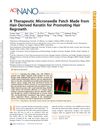
April 2019 in “ACS nano” A new microneedle patch made from hair proteins helps regrow hair faster and better than current treatments.
17 citations
,
May 2014 in “Cell transplantation” Genetically modified stem cells from human hair follicles can lower blood sugar and increase survival in diabetic mice.
2 citations
,
January 2020 in “Enlighten: Theses (The University of Glasgow)” Alopecia areata is an autoimmune disease causing hair loss, and targeting macrophages may help treat it.
Gut bacteria may affect hair loss in people with celiac disease.
 May 2022 in “Benha Journal of Applied Sciences”
 Higher levels of PD-L1 are linked to more severe hair loss in people with Alopecia Areata.
45 citations
,
December 2006 in “Baillière's best practice and research in clinical endocrinology and metabolism/Baillière's best practice & research. Clinical endocrinology & metabolism” Vitamin D and its receptor are essential for hair growth, cell regulation, immune function, and heart health.
July 2025 in “Cell & Bioscience” Specific immune cells and pathways contribute to hair follicle inflammation and hair loss, suggesting potential treatments for lichen planopilaris.
 October 2022 in “The Egyptian Journal of Hospital Medicine”
 Topical corticosteroids are the preferred first treatment for children with Alopecia Areata.
3 citations
,
July 2023 in “International journal of molecular sciences” Stress may contribute to hair loss in alopecia areata by affecting immune responses and cell death in hair follicles.
 2 citations
,
November 2023 in “Frontiers in microbiology”
2 citations
,
November 2023 in “Frontiers in microbiology” The health of the gut may be important in developing new ways to prevent, diagnose, and treat alopecia areata.
 April 2015 in “Plastic and Reconstructive Surgery”
 Activating TLR3 helps improve skin and hair follicle regeneration after wounds.
January 2010 in “Journal of Animal Science” Transcutaneous vaccination using nanoparticles can enhance immune responses and reduce basal cell carcinomas.
2 citations
,
February 2025 in “Journal of Nanobiotechnology” Modified frameworks with stearic acid enhance drug delivery and promote hair growth.
2 citations
,
May 2025 in “Frontiers in Immunology” Ursolic acid may help develop new anti-inflammatory drugs by affecting immune cells.
 75 citations
,
September 2017 in “Developmental biology”
75 citations
,
September 2017 in “Developmental biology” The circadian clock influences the behavior and regeneration of stem cells in the body.