November 2025 in “International Journal of Women’s Dermatology” Pregnancy skin issues can lead to complications, seborrheic dermatitis is linked to STDs, community education helps homeless women's skin, topical timolol is safe for infant hemangiomas, synthetic progestins affect melasma risk, and hijab-related hair loss affects mental health, with cultural barriers limiting treatment access.
 April 2025 in “Annals of Medicine”
 CRH can cause hair loss by promoting cell death in hair growth cells.
 January 2024 in “Elsevier eBooks”
 Increasing regulatory T cells may help treat alopecia areata by reducing autoimmunity and promoting hair growth.
 July 2023 in “Journal of Clinical Medicine”
 The document concludes that understanding hair follicle histology and the hair cycle is crucial for diagnosing alopecia.

Alopecia Areata causes hair loss and needs treatments that address both physical and emotional health.
 11 citations
,
January 2022 in “Journal der Deutschen Dermatologischen Gesellschaft”
11 citations
,
January 2022 in “Journal der Deutschen Dermatologischen Gesellschaft” Alopecia areata is a chronic condition causing hair loss, with new treatments targeting the immune system showing promise.
1 citations
,
November 2025 in “Aging Cell” EDA2R is a key gene linked to ageing and diseases, and targeting it may help treat conditions like hair loss and chronic diseases.
November 2025 in “Advanced Science” The treatment using a special hydrogel shows promise for promoting hair growth.
 February 2024 in “The Open dermatology journal”
 Alopecia Areata affects people of all ages worldwide, is likely caused by genetic and environmental factors, and can lead to stress and depression, highlighting the need for treatments that address both physical and mental health.
 March 2023 in “JAAD case reports”
 Botulinum toxin A may be an effective alternative treatment for the scalp disorder folliculitis decalvans.
SLE patients experience hair loss similar to telogen effluvium, with hair damage and immune activity at hair follicles.
5 citations
,
April 2024 in “Biology” Improving human hair follicle models is crucial for better hair loss treatments.
 November 2022 in “The journal of investigative dermatology/Journal of investigative dermatology”
 Linalool in personal care products may contribute to hair loss by damaging hair follicle stem cells and triggering harmful immune responses.
143 citations
,
January 2004 in “Journal of Investigative Dermatology Symposium Proceedings” Alopecia areata is an autoimmune disease causing hair loss, treatable with immune-modulating drugs, and linked to genetics.
9 citations
,
June 2017 in “The American journal of dermatopathology/American journal of dermatopathology” The study found increased skin pigmentation and variable melanocyte density in a patient with Addison's disease.
7 citations
,
November 2018 in “British Journal of Dermatology” Alopecia areata is caused by immune system issues, and JAK inhibitors might help treat it.
 4 citations
,
October 2022 in “Genes”
4 citations
,
October 2022 in “Genes” Our microbiome may affect the development of the hair loss condition Alopecia Areata, but more research is needed to understand this relationship.
April 2023 in “Journal of Investigative Dermatology” CD8+ T cells attack hair follicle stem cells, causing scarring and hair loss.
 October 2023 in “FASEB bioAdvances”
 Akkermansia muciniphila may help prevent testosterone-related hair loss.
71 citations
,
October 2013 in “Experimental Dermatology” Vitiligo and alopecia areata may have similar causes despite their differences.
June 2025 in “British Journal of Clinical Pharmacology” Chemotherapy often causes skin and hair issues, but early management can help improve patient care.
142 citations
,
March 2019 in “Molecules/Molecules online/Molecules annual” Cannabinoids may help treat various skin conditions.
15 citations
,
February 2006 in “Journal of Investigative Dermatology” More research is needed to understand and treat cicatricial alopecias.
13 citations
,
August 2018 in “Life sciences” Kang-ai injection with platinum-based chemotherapy improves tumor response and immune function while reducing side effects in advanced lung cancer.
6 citations
,
May 2013 in “The Journal of Dermatology” Autoimmune reactions may cause both alopecia areata and HAM.
 3 citations
,
October 2021 in “Clinical, Cosmetic and Investigational Dermatology”
3 citations
,
October 2021 in “Clinical, Cosmetic and Investigational Dermatology” Scalp melanoma, a deadly skin cancer, is often found late due to its hard-to-see location, especially in older men. Early detection, possible treatments, and the role of hairdressers in spotting it early are discussed. More research is needed to improve detection and treatment.
 1 citations
,
April 2023 in “bioRxiv (Cold Spring Harbor Laboratory)”
1 citations
,
April 2023 in “bioRxiv (Cold Spring Harbor Laboratory)” Climate-related nutritional stress may cause hair loss in juvenile male Guadalupe fur seals.
March 2024 in “International Seven Journal of Health Research” Alopecia areata in children causes hair loss and needs a personalized treatment plan with medical and emotional support.
 November 2023 in “The journal of investigative dermatology/Journal of investigative dermatology”
 Cancer treatment drugs can cause permanent hair loss by damaging hair follicle stem cells, but a specific inhibitor might reverse this effect.
 August 2016 in “Journal of Investigative Dermatology”
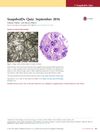
 Scalp psoriasis features reversible hair loss and specific immune activation, with no significant hair follicle damage.