9 citations
,
May 2023 in “Stem Cell Research & Therapy” Stem cell treatment from umbilical cords reduces symptoms of atopic dermatitis and may help hair growth.
 6 citations
,
May 2020 in “Scientific reports”
6 citations
,
May 2020 in “Scientific reports” Researchers identified genes and proteins that may influence wool thickness in sheep.
5 citations
,
March 2016 in “Experimental and molecular pathology” Mice with alopecia areata had wider lymphatic vessels in their skin.
4 citations
,
June 2023 in “Pharmaceutical Biology” Qing Cuo Formula may effectively treat acne by reducing inflammation and hormone levels.
 3 citations
,
May 2019 in “Cytotherapy”
3 citations
,
May 2019 in “Cytotherapy” ATIR101 improves survival in stem cell transplant patients; Australian stem cell treatment decisions are influenced by regulation changes.
 3 citations
,
August 2014 in “Journal of The American Academy of Dermatology”
3 citations
,
August 2014 in “Journal of The American Academy of Dermatology” Filaggrin mutations are linked to atopic dermatitis and help explain how genetics and environment affect the disease.
 2 citations
,
August 2020 in “bioRxiv (Cold Spring Harbor Laboratory)”
2 citations
,
August 2020 in “bioRxiv (Cold Spring Harbor Laboratory)” The Aligned membranes improved wound healing and hair growth with a better immune response in mice.
1 citations
,
August 2016 in “Journal of Investigative Dermatology” Vδ1+ T-cells in the skin contribute to hair loss in alopecia areata and could be targeted for treatment.
 May 2026 in “Institutional Repository of the University of Granada (University of Granada)”
 New treatments for alopecia areata show promise, but their real-world effectiveness and impact on life and sexual health need more study.
Removing silicone breast implants may improve symptoms of autoimmune/inflammatory syndrome.
The hydrogel speeds up wound healing and improves tissue repair.
December 2025 in “International Journal of Innovative Technologies in Social Science” Imbalanced skin microbiome can worsen skin conditions like acne and eczema.
March 2025 in “NATIONS UNIVERSITY INTERNATIONAL JOURNAL OF MULTI-DISCIPLINARY STUDIES” Baricitinib effectively improved skin and hair conditions in a patient with alopecia areata and atopic dermatitis.
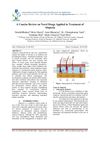
New therapies like JAK inhibitors, PRP, and stem cell treatments show promise for better alopecia management.
 November 2024 in “medRxiv (Cold Spring Harbor Laboratory)”
 Genetic factors affecting skin health and body weight may increase the risk of dermatophytosis.
 January 2024 in “Biomedical journal of scientific & technical research”
 CRISPR/Cas9 gene-editing may effectively treat hair loss but requires more research for safe use.
November 2023 in “Frontiers in Medicine” The method effectively mimics shaving damage on skin for testing skincare products.
 November 2023 in “The journal of investigative dermatology/Journal of investigative dermatology”
 Removing MCPIP1 from myeloid cells in mice leads to hair loss and prevents skin tumors but causes pigmented spots.
April 2023 in “Journal of Investigative Dermatology” Staphylococcus epidermidis affects hair growth and metabolism, suggesting it could help manage hair growth issues.
 December 2022 in “KSBB Journal”
 Activating TLR3 boosts autophagy gene expression in skin cells.
 November 2022 in “Research Square (Research Square)”
 The research provides insights into hair follicle growth in forest musk deer by identifying key genes and pathways involved.
 March 2022 in “Wound practice & research”
 New treatments for alopecia areata show promise, but standardized guidelines are needed.
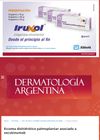 December 2020 in “Dermatología argentina”
 A patient got a skin reaction on their hands and feet after using secukinumab for psoriasis.
 April 2018 in “Journal of Investigative Dermatology”
 Acne patients' skin, both with and without lesions, shows a strong immune response and higher antimicrobial activity.
 November 2017 in “British Journal of Dermatology”
 Organ transplant recipients have a higher risk of skin cancer over time, atopic dermatitis skin shows unusual bacterial and fungal patterns, a new tool for measuring hidradenitis suppurativa severity was created, and gene expression changes in male baldness suggest new treatments.
 July 2017 in “International Journal of Dermatology and Venereology”
 Phototherapy can improve various types of hair loss with minimal side effects, but more research is needed to optimize treatment.
 April 2017 in “Journal of Investigative Dermatology”
 The protein CTCF is essential for skin development, maintaining hair follicles, and preventing inflammation.
January 2014 in “eScholarship (California Digital Library)” Toll-like receptor 3 helps repair the skin barrier after UV damage.
August 2004 in “Veterinary Dermatology” Cats with internal diseases can develop skin issues that may require specific treatments.
 January 2000 in “BioScience”
 The document concludes that understanding hair biology is key to treating hair disorders, with gene therapy showing potential as a future treatment.