75 citations
,
October 2012 in “Journal of Investigative Dermatology” Alopecia areata can be triggered by specific immune cells without genetic or environmental factors.
 8 citations
,
January 2016 in “Journal of Investigative Dermatology”
8 citations
,
January 2016 in “Journal of Investigative Dermatology” The research created a model to understand human hair growth cycle, which can help diagnose and treat hair growth disorders and test potential hair growth drugs.
 5 citations
,
March 2019 in “Scientific Reports”
5 citations
,
March 2019 in “Scientific Reports” The technique can isolate cells to help treat skin pigmentation issues.
 7 citations
,
February 2015 in “Journal of comparative pathology”
7 citations
,
February 2015 in “Journal of comparative pathology” CD8+ T cells play a key role in graft-versus-host disease in certain mice models.
 9 citations
,
February 2011 in “Revista Brasileira de Farmacognosia”
9 citations
,
February 2011 in “Revista Brasileira de Farmacognosia” Tridax procumbens plant parts boost immune response in mice.
 10 citations
,
June 2019 in “Journal of Tissue Engineering and Regenerative Medicine”
10 citations
,
June 2019 in “Journal of Tissue Engineering and Regenerative Medicine” Scientists successfully grew new hair follicles in regenerated mouse skin using mouse and human cells.
 64 citations
,
December 2012 in “Stem Cell Reviews and Reports”
64 citations
,
December 2012 in “Stem Cell Reviews and Reports” Human hair follicle cells can be turned into stem cells similar to embryonic stem cells.
Nail stem cells help nail and finger regeneration through BMP signaling.
 November 2025 in “Bioengineering”
 The new method may improve skin grafts and hair growth.
 28 citations
,
January 2000 in “Medical Mycology”
28 citations
,
January 2000 in “Medical Mycology” Fungal infections in lab animals can interfere with research.
 131 citations
,
November 1998 in “The journal of investigative dermatology/Journal of investigative dermatology”
131 citations
,
November 1998 in “The journal of investigative dermatology/Journal of investigative dermatology” Skin grafts on mice can cause an immune response leading to hair loss, useful for studying human hair loss conditions.
 14 citations
,
January 2016 in “Experimental and molecular pathology”
14 citations
,
January 2016 in “Experimental and molecular pathology” Giving immune serum from vaccinated mice to mice without T cells prevents infection and tumor growth.
 November 2023 in “Anticancer Research”
 Using ultrasound may make cisplatin more effective against cervical cancer in mice.
June 2020 in “Comparative medicine” NSG mice had the most mites, and genetic factors affect immune response and susceptibility.
 13 citations
,
January 2022 in “Stem cell reviews and reports”
13 citations
,
January 2022 in “Stem cell reviews and reports” Mouse stem cells from hair follicles can improve wound healing and reduce scarring.
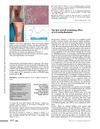 3 citations
,
November 2011 in “European Journal of Dermatology”
3 citations
,
November 2011 in “European Journal of Dermatology” 4-O-methylhonokiol from Magnolia officinalis significantly promotes hair growth.
 10 citations
,
April 2008 in “Journal of Pediatric Surgery”
10 citations
,
April 2008 in “Journal of Pediatric Surgery” P-selectin is not the only factor that prevents scarring in fetal wound healing in mice.
 14 citations
,
October 2017 in “European Journal of Medical Research”
14 citations
,
October 2017 in “European Journal of Medical Research” Platelet-rich plasma can help grow more and longer hair by creating new blood vessels.
4 citations
,
October 2024 in “International Journal of Molecular Sciences” GCN reduces lung inflammation and damage from air pollution in mice.
128 citations
,
December 2006 in “Journal of Biological Chemistry” Altering SSAT affects fat metabolism and body fat in mice.
2 citations
,
April 2020 in “International Journal of Dermatology and Venereology” Beta-HPV and MCPyV are linked to certain skin cancers, with ongoing research and vaccine development.
4 citations
,
June 2025 in “Cell Reports” Clonally expanded CD8+ T cells cause alopecia areata.
 212 citations
,
September 2015 in “Journal of Investigative Dermatology”
212 citations
,
September 2015 in “Journal of Investigative Dermatology” The document provides a method to classify human hair growth stages using a model with human scalp on mice, aiming to standardize hair research.
 1 citations
,
December 2022 in “Parasitologists United Journal”
1 citations
,
December 2022 in “Parasitologists United Journal” House fly larvae substances improve wound healing and skin regeneration, especially in immunosuppressed mice.
 86 citations
,
October 2005 in “Experimental Dermatology”
86 citations
,
October 2005 in “Experimental Dermatology” The Foxn1 gene mutation causes hairlessness and immune system issues, and understanding it could lead to hair growth disorder treatments.
 1 citations
,
April 2019 in “The journal of investigative dermatology/Journal of investigative dermatology”
1 citations
,
April 2019 in “The journal of investigative dermatology/Journal of investigative dermatology” Melanocyte-associated antigens may play a key role in alopecia areata and could be targets for new treatments.
 7 citations
,
January 2013 in “The journal of investigative dermatology/Journal of investigative dermatology”
7 citations
,
January 2013 in “The journal of investigative dermatology/Journal of investigative dermatology” T-cell reconstitution after thymus transplantation can cause hair whitening and loss.
 2 citations
,
November 2018 in “Cell Stem Cell”
2 citations
,
November 2018 in “Cell Stem Cell” The research found a new way to heal chronic skin ulcers by turning certain cells into skin tissue using specific factors.
 109 citations
,
December 2003 in “American Journal of Pathology”
109 citations
,
December 2003 in “American Journal of Pathology” Fetal wound healing changes with development, affecting inflammation and collagen, which may influence scarring.
 6 citations
,
July 2023 in “Nature cell biology”
6 citations
,
July 2023 in “Nature cell biology” SOX9 helps determine stem cell roles by interacting with DNA and proteins that control gene activity.