 16 citations
,
December 2001 in “Dermatologic Therapy”
16 citations
,
December 2001 in “Dermatologic Therapy” Alopecia areata has a complex genetic basis that was not fully understood as of 2001.
98 citations
,
March 2019 in “Frontiers in immunology” Damaging mutations in NFKB2 cause a severe and distinct form of primary immunodeficiency with early-onset and often ACTH-deficiency.
September 2024 in “Annals of Dermatology” A new diagnostic model can help better diagnose and understand Alopecia Areata.
 July 2025 in “Clinical Cosmetic and Investigational Dermatology”
 Immune cells and cytokines significantly affect pathological scar development.
 1 citations
,
June 2020 in “bioRxiv (Cold Spring Harbor Laboratory)”
1 citations
,
June 2020 in “bioRxiv (Cold Spring Harbor Laboratory)” Fetal skin has unique immune cells different from adult skin.
November 2025 in “Journal of Investigative Dermatology” Tanning ability is linked to specific DNA changes in skin genes.
1 citations
,
October 2023 in “Frontiers in Oncology” Genomic profiling for myeloid cancers can find important inherited mutations, but it's challenging when these mutations aren't related to the patient's symptoms.
 February 2009 in “Journal of The American Academy of Dermatology”
 Certain immune system genes are linked to a higher risk of psoriasis and psoriatic arthritis, while others may offer protection.
May 2025 in “Journal of the Egyptian Womenʼs Dermatologic Society” Hair follicles in nonsegmental vitiligo are better protected from immune attacks than in alopecia areata.
 August 2026 in “Journal of Personalized Medicine”
 Effective vitiligo treatment requires targeting multiple biological factors, not just immune suppression.
April 2023 in “Journal of Investigative Dermatology” Chronic graft-versus-host disease in the skin shows strong Th1 immune response and unique barrier issues.
5 citations
,
June 2012 in “Journal of Investigative Dermatology” A new mouse model for vitiligo helps study immune responses and potential treatments.
March 2025 in “Clinical Reviews in Allergy & Immunology” 11 citations
,
July 2022 in “Frontiers in Immunology” Four specific genes are linked to keloid formation and could be potential treatment targets.
 January 2012 in “Journal of Investigative Dermatology”
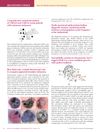
 Some Greek melanoma patients have gene mutations linked to increased cancer risk, a new color feature helps diagnose melanoma, the incidence of a skin condition in the Netherlands is rare, and a gene possibly affects male-pattern baldness.
 2 citations
,
January 2004 in “Sen i Gakkaishi”
2 citations
,
January 2004 in “Sen i Gakkaishi” Human hair and nail proteins are unlikely to cause allergic reactions.
July 2026 in “Journal of Investigative Dermatology”  27 citations
,
September 2014 in “JAMA dermatology”
27 citations
,
September 2014 in “JAMA dermatology” Female donor to male recipient sex mismatch and positive ACA-IgG are key risk factors for vitiligo and alopecia areata in chronic GvHD patients.
 7 citations
,
October 1985 in “Genetics Research”
7 citations
,
October 1985 in “Genetics Research” Beige and leaden pigment genes act within melanocytes, affecting pigment patterns.
6 citations
,
December 2013 in “Journal of Investigative Dermatology Symposium Proceedings” Alopecia areata involves complex immune and genetic factors, with potential treatment targets identified, but more research is needed.
Geography affects skin microbiome more than genetics, but genetics still play a role.
May 2023 in “The Journal of Immunology” Alopecia areata involves unique activation of certain immune cells.
5 citations
,
September 2018 in “Journal of Investigative Dermatology” Keratinocyte cytokines and genetic variations influence the development of moles and skin pigmentation.

Hidradenitis Suppurativa has genetic links, with certain gene mutations more common in patients and a third of cases having a family history.
 11 citations
,
March 2013 in “Gene”
11 citations
,
March 2013 in “Gene” A certain genetic variation in the IL1A gene may lower the risk of a hair loss condition in Chinese people.
 11 citations
,
March 2020 in “Immunology”
11 citations
,
March 2020 in “Immunology” Human prenatal skin develops an immune network early on that helps with skin formation and healing without scarring.
 April 2018 in “Journal of Investigative Dermatology”
 The role of γδT-cells in causing alopecia areata remains unclear.
Certain KIR genes in Indian SLE patients are linked to disease severity and could be biomarkers.
143 citations
,
January 2007 in “The American Journal of Human Genetics” Certain genes on chromosomes 6, 10, 16, and 18 may increase the risk of alopecia areata.
2 citations
,
February 2024 in “Medicine” A mutation in the IL2RA gene increases the risk of alopecia areata.