 May 2018 in “White Rose eTheses Online (University of Leeds, The University of Sheffield, University of York)”
 Alopecia areata may be treated by using EGCG to balance immune cells and reduce inflammation.

Proretinal nanoparticles are a safe and effective way to deliver retinal to the skin.
 October 2017 in “Springer eBooks”
 A thorough initial check-up is essential before sperm banking to ensure the best chance of preserving good quality sperm.
 January 2017 in “Springer eBooks”
 The document concludes that Cutaneous Lupus Erythematosus has different forms, is influenced by genetic and environmental factors, and can be treated with various medications, but more targeted therapies are needed.
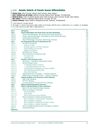 November 2016 in “Elsevier eBooks”
 Genetic mutations can affect female sexual development, requiring personalized medical care.
 February 2016 in “Online journal of biological sciences”
 Henna and honey improved burn healing and hair growth in rabbits.
Tissue from dog stem cells helped grow hair in mice.
 January 2016 in “Research Explorer (The University of Manchester)”
 Activating the Eda/Edar pathway improves wound healing by enhancing hair follicle growth.
 July 2015 in “Cambridge University Press eBooks”
 The document concludes that treatments for female hair loss and excess body hair are available, but managing expectations is important.
 March 2015 in “Polish Journal of Public Health”
 Blood vessel patterns in skin diseases relate to certain blood markers in systemic sclerosis but not in psoriasis or psoriatic arthritis, and may indicate circulation issues in alopecia.
 January 2015 in “Journal of evolution of medical and dental sciences”
 Topical tacrolimus is effective and safe for treating alopecia areata.

Alopecia areata is an autoimmune disease affecting hair follicles and may harm heart health.
 January 2015 in “Dermatology”
 The document covers various dermatological treatments and conditions.
 January 2015 in “Journal of clinical & experimental dermatology research”
 A protein combining parathyroid hormone and collagen helped hair regrow in mice with a hair loss condition.
 August 2014 in “Warwick Research Archive Portal (University of Warwick)”
 Obesity negatively affects the endometrium, leading to higher miscarriage risk and impaired cell function.
 March 2014 in “Journal of The American Academy of Dermatology”
 The document lists various dermatology topics, treatments, and diagnostic methods.
 January 2014 in “Journal of Investigative Dermatology”
 Proteins like aPKC and PDGF-AA, substances like adenosine and ATP, and adipose-derived stem cells all play important roles in hair growth and health, and could potentially be used to treat hair loss and skin conditions.
 January 2014 in “HAL (Le Centre pour la Communication Scientifique Directe)”
 Sex hormones affect dog skin conditions, but more data is needed.
 December 2013 in “Macedonian Journal of Medical Sciences”
 Ovarian steroid cell tumors should be considered in adults with hirsutism and high testosterone, with surgery as the main treatment.

Hair follicles can be used to quickly assess drug effects in cancer treatment.
 December 2011 in “InTech eBooks”
 Systemic corticosteroids can help treat rapidly spreading vitiligo but require more research for safer use.
 March 2011 in “European Urology Supplements”
 The document concludes that a new biosensor can efficiently detect prostate cancer cells and that standardized referrals help find significant cancers effectively.
 December 2009 in “Saengmyeong gwahag hoeji/Saengmyeong gwahak hoeji”
 Thymosin β4 and VEGF are important for blood vessel formation in many organs.
 September 2009 in “Pediatric Dermatology”
 UVB is good for a skin condition in Asian kids, a lotion works for head lice, a drug helps with a skin blistering disorder, a foam reduces itchiness in skin inflammation, birthmarks can be more widespread, and criteria for a neurocutaneous disorder were agreed upon.
 January 2009 in “Springer eBooks”
 The document concludes that managing skin conditions during pregnancy is important and requires specialized care.
 January 2008 in “Durham e-Theses (Durham University)”
 Hair follicle stem cells are similar to mesenchymal stem cells and can become neural-like cells under certain conditions.
 September 2004 in “Experimental dermatology”
 Melatonin directly affects mouse hair follicles and may influence hair growth.
 October 2003 in “Journal of Investigative Dermatology Symposium Proceedings”
 Mice treatments didn't grow hair, a patient treatment may affect immune response, and people with hair loss often feel anxious or depressed.
 April 2003 in “Experimental Dermatology”
 The workshop highlighted the genetic links and psychological impacts of hair loss and skin disorders.