 August 2023 in “International journal of medical science and clinical research studies”
 PRP therapy helps heal pediatric surgical wounds faster and with fewer scars but needs more research for safety and cost.

Female rats showed more panic-related behavior than males, influenced by hormonal cycles and certain drugs.
 April 2023 in “Clinical theriogenology”
 The dog's skin condition improved after removing a tumor that was causing hormone imbalances.

The treatment was ineffective in humans.
 March 2023 in “bioRxiv (Cold Spring Harbor Laboratory)”
 Scientists can now create skin with hair by reprogramming cells in wounds.
 January 2023 in “Research Square (Research Square)”
 IGF2BP3 gene is up-regulated in keloid patients, suggesting potential targets for treatment.
There is no cure for myotonic dystrophy type 1, so treatment focuses on managing symptoms and complications.
 November 2022 in “CARDIOMETRY”
 A group has developed therapies that show promise for treating cancer and various other conditions.
 November 2022 in “Research Square (Research Square)”
 Using facial sunscreen and moisturizer may increase the risk of frontal fibrosing alopecia.

Clinical signs don't match inflammation levels in lichen planopilaris and frontal fibrosing alopecia.
 June 2022 in “International journal of drug delivery technology”
 Nebivolol cream may be a promising hair loss treatment by improving blood flow and nourishing hair follicles.
Vitamin D is crucial for skin health and managing skin diseases.
 May 2022 in “Research Square (Research Square)”
 OBEME effectively enhances wound healing and could be a promising carrier for skin treatments.
 March 2022 in “Folia Medica Indonesiana”
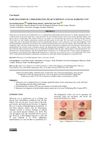
 The lump on a woman's scalp was a rare, potentially cancerous tumor from the hair follicle, not a common cyst.
 January 2022 in “Dermatology Review”
 Higher IL-31 levels are linked to worse itching in chronic kidney disease patients.

Researchers found a genetic link for hereditary hair loss but need more analysis to identify the exact gene.
 May 2021 in “Dermatopathology”
 The review emphasizes the need to recognize skin conditions that affect hair follicles and sweat glands to avoid misdiagnosis.
 May 2021 in “International journal of developmental research”
 Estrogens and progesterone are key in regulating melasma pigmentation.
 February 2021 in “International Journal of Science and Research (IJSR)”
 A higher testosterone/dihydrotestosterone ratio in PCOS patients may indicate worse metabolic health.
 January 2021 in “touchREVIEWS in Endocrinology”
 Surgery successfully treated a hidden ovarian tumor causing hair loss and excess hair growth in a postmenopausal woman.
 December 2020 in “Current Sexual Health Reports”
 Finasteride can have lasting negative effects on brain function and behavior by disrupting neurosteroid production.
 November 2020 in “Elsevier eBooks”
 Antiandrogens and androgen inhibitors like spironolactone, finasteride, and dutasteride can treat hair loss and skin conditions, but they have risks and side effects, including potential harm to pregnant women and risks of cancer and heart issues. Herbal remedies also have antiandrogenic effects but lack safety validation.
 October 2020 in “Veterinary Dermatology”
 New treatments and diagnostic methods for various animal skin conditions showed promising results.
 September 2020 in “Kocatepe Veterinary Journal”
 Equine adipose stem cells can become different cell types and are promising for healing injuries.
 May 2020 in “Research Square (Research Square)”
 Hair follicle stem cells may help treat strokes.

Human hair keratins can self-assemble and support cell growth, useful for biomedical applications.
 June 2019 in “The Egyptian Journal of Histology”
 Hyaluronic acid injections improve skin thickness and quality, protecting against aging in rats.
 May 2019 in “bioRxiv (Cold Spring Harbor Laboratory)”
 Testosterone significantly affects urination differences between male and female mice.
A high-fat diet caused severe health problems in female macaques but was reversible with a normal diet, while male macaques reacted differently.
 October 2018 in “InTech eBooks”
 The most effective treatments for hair loss are minoxidil, finasteride, PRP, and hair transplants, with steroids and immunosuppressants for autoimmune types.