 August 2023 in “International journal of research in Ayurveda and pharmacy”
 Ayurveda can prevent hair fall and promote regrowth using herbs and lifestyle changes.
 August 2023 in “Journal of Knowledge Learning and Science Technology ISSN 2959-6386 (online)”
 New technologies help better understand and treat inflammatory skin diseases.
 June 2023 in “International Journal of Clinical Research and Reports”
 Method B with propylene glycol is better for stable low-concentration DPCP solutions for alopecia areata.
COVID-19 can cause skin problems and affect dermatology treatments, with recommendations for skin care and cautious use of certain drugs.
 June 2023 in “International journal of science and research”
 PRP injections help hair regrowth safely but may need more research.
 April 2023 in “Dermatology practical & conceptual”
 Lenalidomide helps hair follicle stem cells turn into melanocytes, which may improve repigmentation in vitiligo.
 April 2023 in “Dermatology practical & conceptual”
 Tacrolimus solution is effective and well-tolerated for treating inflammatory scalp conditions.
 September 2022 in “Skin appendage disorders”
 Seborrheic dermatitis may contribute to the development of central centrifugal cicatricial alopecia.
 August 2022 in “International journal of research in pharmacy and chemistry”
 Teak is a durable, termite-resistant wood with medicinal benefits.
 July 2022 in “Journal of bio innovation”
 Panchakarma detoxifies the body, balances doshas, and is more effective than modern medicine alone for toxin removal and cell rejuvenation.
 July 2022 in “Research Square (Research Square)”
 Lower PPARγ levels and specific gene variations are linked to more severe Frontal Fibrosing Alopecia.
 March 2022 in “Nepal Journal of Dermatology Venereology & Leprology”
 Methotrexate with steroids is slightly more effective than azathioprine with steroids for treating severe alopecia areata.
 January 2022 in “The Egyptian Journal of Hospital Medicine”
 Higher IL-21 levels may help predict alopecia areata activity.
 January 2022 in “Dermatology Review”
 Higher IL-31 levels are linked to worse itching in chronic kidney disease patients.
 February 2021 in “Journal of pharmaceutical and biological sciences”
 No cure exists for alopecia areata, and treatments are personalized.
 October 2020 in “Veterinary Dermatology”
 New treatments and diagnostic methods for various animal skin conditions showed promising results.
 November 2019 in “Harper's Textbook of Pediatric Dermatology”
 The document is a detailed medical reference on skin and genetic disorders.
A high-fat diet caused severe health problems in female macaques but was reversible with a normal diet, while male macaques reacted differently.
 October 2018 in “Springer eBooks”
 The document concludes that various hair disorders have different treatments, including medication, surgery, and addressing underlying causes.
 January 2017 in “Acta dermato-venereologica”
 The congress showed that psychological therapy can help skin condition patients, social media affects acne stigma, education improves atopic dermatitis, and patient satisfaction in dermatology is high, especially with good doctor engagement.
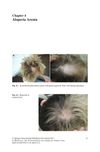 December 2016 in “Springer eBooks”
 A 45-year-old woman with autoimmune diseases experienced patchy hair loss due to alopecia areata, which has no cure but can be treated, with varying success.
 January 2015 in “Przegla̧d dermatologiczny”
 308 nm excimer light therapy may help hair regrowth in alopecia areata with delayed results and no serious side effects.
 December 2013 in “Research Portal (King's College London)”
 Hair loss in Lichen Planopilaris is caused by immune system issues damaging hair follicles and stem cells.
 January 2011 in “Side effects of drugs annual”
 Tretinoin gel is safe for sun exposure, but tacalcitol doesn't significantly improve non-segmental vitiligo.
 January 2009 in “Springer eBooks”
 The document concludes that managing skin conditions during pregnancy is important and requires specialized care.
 January 2007 in “Elsevier eBooks”
 Alopecia areata is a reversible, autoimmune-related hair loss that can have significant emotional impact and uncertain treatment effectiveness.
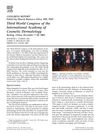 July 2004 in “Clinics in Dermatology”
 The Third World Congress of the International Academy of Cosmetic Dermatology discussed various topics like hair disorders, skin conditions, wound healing, shampoo technology, acne treatment, and the use of lasers in dermatology.
 April 2004 in “Journal of The American Academy of Dermatology”
 The textbook "Dermatology" is highly recommended for its comprehensive content, user-friendly design, and extensive visual aids.
 September 2003 in “Clinics in Family Practice”
 Different hair diseases affect people during childbearing years, with treatments ranging from medication to psychological support.
 May 2003 in “Facial Plastic Surgery Clinics of North America”
 Hair loss can be treated with medications like minoxidil and finasteride or surgery, but treatment effectiveness varies by alopecia type and accurate diagnosis is important.