 March 2026 in “Dermatology Reports”
 FFA has higher long-term remission rates than LPP.
 March 2026 in “Dermatology and Therapy”
 More severe alopecia areata can lower quality of life.
 March 2026 in “International Journal of Dermatology Venereology and Leprosy Sciences”
 Vitiligo treatment requires a personalized mix of therapies to restore skin color and improve life quality.
 February 2026 in “International Journal on Science and Technology”
 Vitex negundo may help treat PCOD, but more human studies are needed.
 February 2026 in “Clinical Cosmetic and Investigational Dermatology”
 Alopecia areata cases in children are rising, especially in females and low-income regions, with a projected increase in China and decrease in the USA.
 January 2026 in “International Research Journal of Modernization in Engineering Technology and Science”
 Alopecia areata causes patchy hair loss and is often treated with corticosteroids.
 November 2025 in “Frontiers in Pharmacology”
 64 drugs can cause hair loss, needing better monitoring and updated labels.
 November 2025 in “Clinical Cosmetic and Investigational Dermatology”
 Immune cells and plasma proteins are linked to hair loss, suggesting new treatment options.
 September 2025 in “Journal of Dermatology Research”
 Sebamed® shampoo effectively reduces hair loss and promotes hair growth.
 September 2025 in “Journal of Phytonanotechnology and Pharmaceutical Sciences”
 Licorice has health benefits but can also cause side effects, so it should be used carefully.
 July 2025 in “Berkala Ilmu Kesehatan Kulit dan Kelamin”
 Alopecia areata in children shows varied symptoms and may involve nails, needing further evaluation for other health issues.
 July 2025 in “Pakistan Journal of Intensive Care Medicine”
 Clobetasol propionate 0.05% ointment is more effective than tacrolimus 0.1% ointment for treating alopecia areata.
 June 2025 in “Saratov Medical Journal”
 Ongoing research and innovation are crucial for improving skin care and treatment.
 March 2025 in “International Journal of Scientific Research in Science and Technology”
 Early diagnosis and personalized treatment can lead to significant hair regrowth in children with alopecia areata.
New methods improve skin disease diagnosis and treatment.
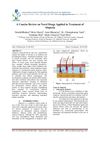
New therapies like JAK inhibitors, PRP, and stem cell treatments show promise for better alopecia management.
 January 2025 in “International Journal of Dermatology Venereology and Leprosy Sciences”
 Current treatments for alopecia areata can help hair grow but don't cure the disease.
 January 2025 in “Universidad de Córdoba Insitutional Repository (Universidad de Córdoba)”
 An imbalanced scalp microbiome may worsen alopecia areata severity and inflammation, but treatment can partially restore balance.
 December 2024 in “Texila international journal of public health”
 Trichoscopy effectively diagnoses and monitors cicatricial alopecias, reducing the need for biopsies.
 September 2024 in “African Journal of Biomedical Research”
 Alopecia areata patients have lower vitamin D and slightly lower copper levels, so these should be checked.
 September 2024 in “Drugs & Therapy Perspectives”
 Ritlecitinib effectively regrows hair in severe alopecia areata and is well tolerated.
 August 2024 in “Quality in Sport”
 PRP helps with skin, hair, and wound treatments but needs more research for standard use.
 April 2024 in “Frontiers in medicine”
 Alopecia Areata significantly lowers quality of life and current treatments are inadequate, highlighting a need for better therapies and standardized treatment protocols.
 April 2024 in “International Journal of Research Publication and Reviews”
 Alopecia areata causes hair loss with varied treatment responses and frequent relapses.
 April 2024 in “Research Square”
 IBD patients treated with TNF antagonists may develop autoimmune alopecia areata, with severe cases less likely to improve.
 January 2024 in “American journal of clinical dermatology”
 Ritlecitinib is safe and well-tolerated for treating alopecia areata in patients aged 12 and older.
 January 2024 in “International journal of homoeopathic sciences”
 Early intervention and patient education are crucial for managing alopecia areata.
 December 2023 in “International Journal of Research in Ayurveda and Pharmacy”
 Ayurvedic remedies may boost immunity and balance in cancer treatment but need more research.
 November 2023 in “The actual problems in dentistry”
 New, safer, and personalized treatments are needed for oral lichen planus.
 October 2023 in “International journal of biology, pharmacy and allied sciences”
 Personalized treatment plans combining natural and synthetic approaches are important for managing alopecia effectively.