8 citations
,
October 2006 in “Current Pharmaceutical Design” Common gene patterns may cause skin autoimmune diseases.
26 citations
,
May 2020 in “JCI Insight” Alopecia areata involves specific immune cells, offering potential treatment targets.
 July 2023 in “Journal of Biomedical Science”
 Different people show different symptoms for genetic diseases because of how sensitive their bodies are to small changes in important factors.
 34 citations
,
November 2008 in “British Journal of Dermatology”
34 citations
,
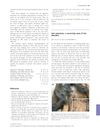
November 2008 in “British Journal of Dermatology” Hair extensions can cause hair loss and scalp damage, and these problems might be more common than people realize.
 1 citations
,
January 2025 in “Frontiers in Immunology”
1 citations
,
January 2025 in “Frontiers in Immunology” Genetically at-risk healthy people show similar immune issues as those with Pemphigus vulgaris or Alopecia areata.
21 citations
,
May 2023 in “The Journal of Allergy and Clinical Immunology In Practice” 25 citations
,
November 2020 in “Cell Reports Medicine” Developing human skin has immune cells with memory-like features.
 November 2025 in “Clinical Cosmetic and Investigational Dermatology”
 Immune cells and plasma proteins are linked to hair loss, suggesting new treatment options.
 July 2025 in “Clinical Cosmetic and Investigational Dermatology”
 Immune cells and cytokines significantly affect pathological scar development.
 September 2024 in “Archives of Medical Science”
 Alopecia areata is linked to immune system differences, with specific biomarkers like CXCL9 and CXCL10 being key for diagnosis and potential treatment targets.
 April 2017 in “Journal of Investigative Dermatology”
 Deep phenotyping helps distinguish between xeroderma pigmentosum and trichothiodystrophy, aiding in diagnosis and treatment.
 1 citations
,
December 2022 in “Frontiers in Immunology”
1 citations
,
December 2022 in “Frontiers in Immunology” Tissue environment greatly affects the unique epigenetic makeup of regulatory T cells, which could impact autoimmune disease treatment.
March 2026 in “Oral Presentations”  April 2023 in “Journal of Investigative Dermatology”
 An automated method accurately assesses melanoma risk using 3D body images to analyze skin traits.
117 citations
,
September 2003 in “Molecular & cellular proteomics” The technology can help diagnose and subtype autoimmune diseases by identifying specific autoantibodies.
January 2026 in “Metabolites” Obesity may weaken the immune system and increase cancer risk.
11 citations
,
July 2022 in “Frontiers in Immunology” Four specific genes are linked to keloid formation and could be potential treatment targets.
 1 citations
,
August 2018 in “bioRxiv (Cold Spring Harbor Laboratory)”
1 citations
,
August 2018 in “bioRxiv (Cold Spring Harbor Laboratory)” A new mutation in the TMEM173 gene and a risk allele in IFIH1 cause a unique set of immune-related symptoms.
May 2019 in “CINECA IRIS Institutial Research Information System (University of Genoa)” MITF+ melanoma patients are more likely to have multiple melanomas and unique skin patterns.
 1 citations
,
November 1983 in “The Lancet”
1 citations
,
November 1983 in “The Lancet” Acute leukemias with the Philadelphia chromosome may be biphenotypic, and identifying this is important for proper treatment.
 38 citations
,
January 2016 in “Cell Death and Disease”
38 citations
,
January 2016 in “Cell Death and Disease” The TCL1 transgenic mouse model is useful for understanding human B-cell leukemia and testing new treatments.
 12 citations
,
March 2004 in “International Journal of Dermatology”
12 citations
,
March 2004 in “International Journal of Dermatology” Woman's hair loss diagnosis changed from CTE to AA; multiple biopsies important for accurate diagnosis.
 12 citations
,
March 2004 in “International Journal of Dermatology”
12 citations
,
March 2004 in “International Journal of Dermatology” A woman with X-linked chronic granulomatous disease developed lupus-like skin lesions, improved with treatment, suggesting a unique skin condition in carriers.
 5 citations
,
April 2014 in “The American Journal of Dermatopathology”
5 citations
,
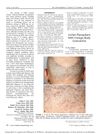
April 2014 in “The American Journal of Dermatopathology” Foreign-body granuloma may be a marker for late-stage Lichen Planopilaris and should be considered in diagnosis.
 2 citations
,
December 2021 in “Journal of Veterinary Medical Science”
2 citations
,
December 2021 in “Journal of Veterinary Medical Science” Lokivetmab reduced itching in a dog with skin lymphoma.
 January 2026 in “Clinical Cosmetic and Investigational Dermatology”
 Early diagnosis and targeted anti-inflammatory treatments can improve outcomes in androgenetic alopecia with perifollicular inflammation and fibrosis.
 March 2024 in “Poster presentations”
 A woman with lupus and Kikuchi-Fujimoto disease improved with treatment.
 January 2016 in “Journal of Investigative Dermatology”
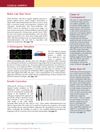
 Some cells may slow melanoma growth, a protein could affect skin pigmentation, a gene-silencing method might treat hair defects, skin bacteria changes likely result from eczema, and a defensin protein could help treat multiple sclerosis.
 January 2016 in “Experimental Dermatology”
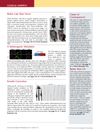
 New findings suggest potential treatments for melanoma, hyperpigmentation, hair defects, and multiple sclerosis, and show skin microbiome changes don't cause atopic dermatitis.
 May 2009 in “The American Journal of Dermatopathology”
 Mast cells play a significant role in hair loss conditions like male pattern hair loss and alopecia areata.