20 citations
,
July 2017 in “Journal of Investigative Dermatology” IL-1 receptor absence in mice leads to skin cysts and changes in immune response after UVB exposure.
13 citations
,
February 1995 in “Archives of Dermatological Research” Gamma/delta T cells help defend skin against heavy metals.
1 citations
,
January 2026 in “Science Advances” The 3D skin model mimics pemphigus vulgaris and helps test treatments.
 7 citations
,
February 2010 in “British Journal of Dermatology”
7 citations
,
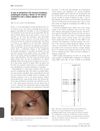
February 2010 in “British Journal of Dermatology” A woman with a rare autoimmune disorder had a blister on her eye and unique immune reaction, which was effectively treated with medication.
October 2024 in “International journal of medicine and psychology.” Targeted immune modulation can help achieve stable remission in alopecia areata.
December 2023 in “Journal of Investigative Dermatology” A specific type of immune cell plays a key role in causing alopecia areata and could be a target for treatment.
 25 citations
,
July 1994 in “Archives of Dermatology”
25 citations
,
July 1994 in “Archives of Dermatology” A man's skin condition, pemphigus vulgaris, came back after he was treated with interleukin 2 for cancer.
 155 citations
,
May 2016 in “Nature communications”
155 citations
,
May 2016 in “Nature communications” Memory T cells in the skin balance staying put and moving into the blood, clustering around hair follicles, and increasing in number after infection.
117 citations
,
September 2003 in “Molecular & cellular proteomics” The technology can help diagnose and subtype autoimmune diseases by identifying specific autoantibodies.
 April 2018 in “Journal of Investigative Dermatology”
 IL-17C is important in inflammatory skin diseases and could be a target for treatment.
7 citations
,
May 1993 in “Journal of the European Academy of Dermatology and Venereology” Cell adhesion molecules are important in the development of certain skin diseases.
 2 citations
,
May 2023 in “Frontiers in immunology”
2 citations
,
May 2023 in “Frontiers in immunology” Skin stem cells remember past inflammation, helping them respond better to future injuries and possibly aiding in treating skin issues.
1 citations
,
April 2015 in “InTech eBooks” RAGE is a potential target for melanoma treatment, but its effectiveness is uncertain due to variable expression levels.
 May 2025 in “Frontiers in Immunology”
 Autoimmune diseases with high tissue recovery often relapse and remit, while those with low recovery rarely remit.
 April 2018 in “Journal of Investigative Dermatology”
 Acne patients' skin, both with and without lesions, shows a strong immune response and higher antimicrobial activity.
April 2023 in “Journal of Investigative Dermatology” Increased TEMRA cells can predict treatment outcomes in rapidly progressive alopecia areata.
 June 2025 in “bioRxiv (Cold Spring Harbor Laboratory)”
 In alopecia areata, certain immune cells increase and express a protein linked to immune activation.
 September 2022 in “Dermatology and therapy”
 Contact immunotherapy might help treat various skin conditions, but more research is needed to confirm its safety and effectiveness.
July 2022 in “Journal of Investigative Dermatology” 68 citations
,
December 1983 in “British Journal of Dermatology” Major histocompatibility antigens are found in specific skin cells and structures, but not in sweat glands.
November 2025 in “Journal of Investigative Dermatology” Certain CD8+ T cells attack hair follicles in alopecia areata, suggesting they could be targeted for treatment.
 May 2024 in “Frontiers in Immunology”
 Type-2 immunity may influence skin diseases and could be targeted for treatment.
 April 2018 in “Journal of Investigative Dermatology”
 Cutaneous lupus patients have higher levels of certain immune cells in their blood and skin.
 April 2017 in “Journal of Dermatological Science”
 B cells can both help and hinder the body's defense against melanoma.
46 citations
,
October 2018 in “JCI insight” CD8+ T cells are involved in alopecia areata and may cause disease relapse.
May 2017 in “The journal of investigative dermatology/Journal of investigative dermatology” Topical immunotherapy for alopecia areata may work by creating immune cell clusters in the skin.
January 2011 in “Repository KITopen (Karlsruhe Institute of Technology)” Blocking certain proteins on immune cells may help treat alopecia areata.
 September 2017 in “Journal of Investigative Dermatology”
 The study found that sweat glands normally suppress immune responses, but this is disrupted in certain skin diseases, possibly contributing to their development.
 2 citations
,
January 2004 in “Sen i Gakkaishi”
2 citations
,
January 2004 in “Sen i Gakkaishi” Human hair and nail proteins are unlikely to cause allergic reactions.
1 citations
,
November 2018 in “immuneACCESS” Expanded CD8+ T cells are linked to Alopecia Areata and may cause relapse after treatment.