Higher PD-1 levels mean fewer CD8+ T cells in alopecia areata hair follicles.
21 citations
,
April 2019 in “Journal of cutaneous pathology” People with alopecia areata have fewer regulatory T-cells than those with other skin conditions.
18 citations
,
July 2013 in “Journal of Leukocyte Biology” Nonimmunogenic forms of keratins K71 and K31 can delay and prevent alopecia areata.
ILC1-like cells may contribute to hair loss in alopecia areata and could be new treatment targets.
1 citations
,
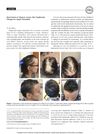
January 2021 in “Dermatologic Therapy” Candida antigen is an effective and promising treatment for alopecia areata.
 12 citations
,
August 2019 in “Dermatitis”
12 citations
,
August 2019 in “Dermatitis” Dupilumab for skin problems might reactivate hair loss in some patients.
6 citations
,
January 2023 in “International journal of molecular sciences” Mast cells and CD8 T cells interact closely in skin diseases, affecting each other's behavior and contributing to conditions like psoriasis and eczema.
18 citations
,
September 2022 in “Cold Spring Harbor Perspectives in Biology” Controlling immune responses with biomaterials can reduce scarring and improve skin regeneration.
11 citations
,
January 2010 in “European Journal of Dermatology” Contact immunotherapy helped hair regrow in a patient with both alopecia and psoriasis.

Dual TCR Treg cells are common in various mouse tissues and show diverse characteristics.
January 2002 in “대한피부과학회지” Most patients with dermatomyositis had skin rash and were treated with prednisolone and hydroxychloroquine.
 140 citations
,
March 2013 in “The journal of immunology/The Journal of immunology”
140 citations
,
March 2013 in “The journal of immunology/The Journal of immunology” Memory regulatory T cells need IL-7, not IL-2, to stay in peripheral tissues.
5 citations
,
October 2021 in “Journal of the American Academy of Dermatology” PRAME helps distinguish between benign and malignant skin cells in most cases.
4 citations
,
September 2012 in “Transplant international” Graft rejection in a hand transplant may trigger hair loss due to autoimmune responses.
 3 citations
,
May 2019 in “Cytotherapy”
3 citations
,
May 2019 in “Cytotherapy” ATIR101 improves survival in stem cell transplant patients; Australian stem cell treatment decisions are influenced by regulation changes.
 7 citations
,
January 2013 in “The journal of investigative dermatology/Journal of investigative dermatology”
7 citations
,
January 2013 in “The journal of investigative dermatology/Journal of investigative dermatology” T-cell reconstitution after thymus transplantation can cause hair whitening and loss.

Immune therapy for cancer can cause hair loss scars in some patients.
 26 citations
,
February 2016 in “Respiratory Medicine”
26 citations
,
February 2016 in “Respiratory Medicine” Auto-antibody testing is a useful but not definitive tool in diagnosing interstitial lung diseases, and using a specific algorithm could make testing more cost-effective.
 9 citations
,
July 2022 in “EMBO molecular medicine”
9 citations
,
July 2022 in “EMBO molecular medicine” Blocking certain immune signals can reduce skin damage from radiation therapy.
 2 citations
,
June 2026 in “Frontiers in Science”
2 citations
,
June 2026 in “Frontiers in Science” Regulatory T cells help control the immune system and could lead to new treatments for diseases.
1 citations
,
October 2019 in “Journal of Thoracic Oncology” Chemotherapy adds to, but doesn't enhance, the effects of immunotherapy in lung cancer treatment.
July 2025 in “Nano Research” Nanotechnology can improve tissue healing by controlling immune responses.
March 2026 in “Skin Appendage Disorders” Some patients on immune therapy for melanoma may develop scarring hair loss, but cancer treatment remains effective.
6 citations
,
November 2018 in “American journal of transplantation” UV light helped human hair transplants survive in mice without broad immunosuppression.
November 2022 in “Journal of Investigative Dermatology” Mitochondrial stress can lead to atopic dermatitis.
 1 citations
,
April 2022 in “Rheumatology”
1 citations
,
April 2022 in “Rheumatology” A man developed autoimmune symptoms after the Pfizer COVID-19 vaccine, highlighting the need for thorough vaccine safety checks.
July 2023 in “Nature Immunology” CD8+ virtual memory T cells may cause hair loss in alopecia areata.
 January 2024 in “Journal der Deutschen Dermatologischen Gesellschaft”
 Non-biologic immunosuppressive drugs are crucial for treating autoimmune and chronic inflammatory skin diseases.
16 citations
,
January 2025 in “Burns & Trauma” Nanomedicine-based immunotherapy shows promise in improving tissue repair and regeneration.
 April 2023 in “The journal of investigative dermatology/Journal of investigative dermatology”
 The study suggests that a specific type of immune cell, memory-like NK cells, may increase during active hair loss in Alopecia areata.