April 2010 in “Cancer Research” Basal cell carcinomas may use IDO to protect themselves from the immune system.
 39 citations
,
May 2004 in “Clinics in Dermatology”
39 citations
,
May 2004 in “Clinics in Dermatology” The document concludes that treatment for cutaneous T-cell lymphoma should be customized to each patient's disease stage, balancing benefits and side effects, with no cure but many patients living long lives.
85 citations
,
January 1996 in “International Journal of Cancer” AS101 reduces hair loss from chemotherapy.
19 citations
,
April 2019 in “Veterinary dermatology” Oclacitinib effectively treated a skin condition in dogs that didn't respond to other immunosuppressants.
 April 2024 in “Military Medical Research/Military medical research”
 Cellular and immunotherapies show promise for healing chronic wounds but need more research.
 June 2022 in “Frontiers in Immunology”
 Tofacitinib regrew hair in a man with total hair loss but raised cytokine levels, needing more research on possible side effects.

CD28 is a promising target for treating alopecia areata with belatacept.

CD28 is a promising target for treating alopecia areata with belatacept.
July 2022 in “Journal of Investigative Dermatology” Inhibiting TYK2 can restore hair growth in alopecia areata.
 14 citations
,
June 2017 in “Immunity”
14 citations
,
June 2017 in “Immunity” Special immune cells called Treg cells are important for maintaining and regenerating hair by activating a specific growth signal in hair stem cells.
 January 2018 in “Springer eBooks”
 PDE inhibitors, especially PDE4 inhibitors like apremilast, are effective for certain inflammatory skin conditions but have side effects and can be costly.
 January 2022 in “bioRxiv (Cold Spring Harbor Laboratory)”
 The gp130 receptor helps in tissue regeneration and disease progression, and manipulating it could improve healing and prevent disease.
November 2025 in “Journal of Investigative Dermatology” Combining MMP-9 and JAK inhibitors can effectively prevent skin depigmentation in vitiligo.
 44 citations
,
September 2014 in “Cell Death & Differentiation”
44 citations
,
September 2014 in “Cell Death & Differentiation” Tumor suppressors help control inflammation in cancer and restoring their function could lead to new treatments.
15 citations
,
January 2015 in “Dermatitis” Topical immunotherapy is the best treatment for severe alopecia areata.
 December 2011 in “InTech eBooks”
 Systemic corticosteroids can help treat rapidly spreading vitiligo but require more research for safer use.
 April 2024 in “Clinical and experimental dermatology”
 Tofacitinib is effective for severe alopecia areata, similar to oral betamethasone.
70 citations
,
February 2018 in “Seminars in Arthritis and Rheumatism” Belimumab reduces disease activity, steroid use, and flares in lupus patients.
 April 2018 in “Journal of Investigative Dermatology”
 STIM1 is essential for sweat secretion.
26 citations
,
October 2016 in “American journal of clinical dermatology” New treatments like JAK inhibitors show promise for reversing alopecia areata.
January 2026 in “Dermatologica Sinica” New and repurposed treatments are improving outcomes in dermatology.

Upadacitinib and oral minoxidil improved Crohn's disease and hair regrowth in a patient.
September 2004 in “Experimental Dermatology” Stress and certain chemicals affect hair growth by interacting with the immune and nervous systems.
 26 citations
,
June 2019 in “The journal of investigative dermatology/Journal of investigative dermatology”
26 citations
,
June 2019 in “The journal of investigative dermatology/Journal of investigative dermatology” Regenerative therapies show promise for treating vitiligo and alopecia areata.
 1 citations
,
January 2023 in “Portuguese Journal of Dermatology and Venereology”
1 citations
,
January 2023 in “Portuguese Journal of Dermatology and Venereology” JAK inhibitors effectively treat skin conditions and topical forms are safer.
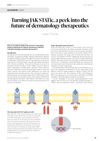 August 2024 in “New Zealand Medical Student Journal”
 JAK inhibitors show promise for treating skin diseases effectively and safely.
 January 2024 in “Elsevier eBooks”
 Increasing regulatory T cells may help treat alopecia areata by reducing autoimmunity and promoting hair growth.
 August 2018 in “Reactions Weekly”
 Two men experienced hair regrowth while being treated with immune globulin for other health issues, but there were also side effects.
 January 2025 in “Plastic Surgery and Reconstructive Medicine”
 Plasmatherapy improves immune status in vitiligo patients, especially those with segmental vitiligo.
 February 2026 in “Eduvest - Journal Of Universal Studies”
 Janus Kinase Inhibitors are promising new treatments for various skin conditions due to their effectiveness and safety.