 1 citations
,
September 2022
1 citations
,
September 2022 Distinguishing drug-induced lupus from systemic lupus is challenging and requires careful monitoring.
 1 citations
,
January 2008 in “Hair transplant forum international”
1 citations
,
January 2008 in “Hair transplant forum international” The document could not be processed to provide a conclusion.
 57 citations
,
March 2011 in “Pediatric Dermatology”
57 citations
,
March 2011 in “Pediatric Dermatology” Nearly half of children with primary immunodeficiency disorders showed skin problems, often as the first sign of their condition.
21 citations
,
August 2002 in “British Journal of Ophthalmology” Intralesional cidofovir may be a viable alternative treatment for SCC.
25 citations
,
December 2013 in “Journal of Investigative Dermatology Symposium Proceedings” A new mouse model helps understand and find treatments for alopecia areata.
14 citations
,
February 2013 in “PubMed” Patients treated with long-term intralesional corticosteroids for alopecia areata should be monitored for bone density changes and advised on osteoporosis prevention.
May 2023 in “Asian Journal of Transfusion Science” Platelet-rich plasma helps treat hair loss, and better screening improves transfusion safety.
 6 citations
,
February 2016 in “British Journal of Dermatology”
6 citations
,
February 2016 in “British Journal of Dermatology” A woman with a drug allergy to anakinra was successfully desensitized, allowing her to continue treatment without allergic reactions.
12 citations
,
March 2021 in “JAAD Case Reports” Nail changes from immunotherapy can be managed without stopping cancer treatment.
April 2023 in “Journal of Investigative Dermatology” Increased TEMRA cells can predict treatment outcomes in rapidly progressive alopecia areata.
 May 2023 in “Elsevier eBooks”
 Systemic immunotherapies are used for immune-related hair loss but not usually for genetic hair loss, unless the patient has both conditions.
 23 citations
,
April 1993 in “Gastroenterology”
23 citations
,
April 1993 in “Gastroenterology” A mother and son both had ulcerative colitis and alopecia, suggesting a genetic link in autoimmune disorders and successful treatment with cyclosporine.
 January 2026 in “Dermatology and Therapy”
 Patients with alopecia areata on ritlecitinib responded well to tetanus and meningococcal vaccines.
June 2026 in “JEADV Clinical Practice” Cemiplimab can cause alopecia areata, but it can be treated successfully.
 1 citations
,
February 2020 in “Journal of Cosmetic Dermatology”
1 citations
,
February 2020 in “Journal of Cosmetic Dermatology” Hair transplant surgery reduces scalp sensitivity by almost 40%, and smokers have less scalp sensitivity than non-smokers. The time since surgery doesn't significantly affect this.
14 citations
,
November 2016 in “Lupus” Lenalidomide effectively and safely treats skin symptoms in pediatric lupus, reducing the need for prednisone.
 July 2023 in “Clinical and Experimental Dermatology”
 Combining baricitinib with low-dose corticosteroids significantly improved severe hair loss in eight patients.
 131 citations
,
November 1998 in “The journal of investigative dermatology/Journal of investigative dermatology”
131 citations
,
November 1998 in “The journal of investigative dermatology/Journal of investigative dermatology” Skin grafts on mice can cause an immune response leading to hair loss, useful for studying human hair loss conditions.
71 citations
,
May 2019 in “Rheumatology” Tph cells are linked to the severity of systemic lupus erythematosus.
2 citations
,
December 2024 in “International Journal of Rheumatic Diseases” Ocrelizumab may cause total body hair loss in some patients.
21 citations
,
December 1997 in “The Journal of Dermatology” Thymectomy and high-dose prednisolone improved hair loss in a woman with alopecia areata.
13 citations
,
July 2003 in “Annals of the Rheumatic Diseases” Co-trimoxazole successfully treated a girl with multiple autoimmune symptoms.
 21 citations
,
January 2005 in “Pediatric Dermatology”
21 citations
,
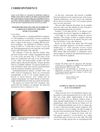
January 2005 in “Pediatric Dermatology” An 8-year-old girl with vitiligo developed extra hair growth on her knee after using tacrolimus ointment.
5 citations
,
July 2019 in “Clinical and experimental dermatology” Adding collagenase to trypsin improves cell yield and repigmentation in vitiligo treatment.
27 citations
,
May 2011 in “Journal of dermatology” Methylprednisolone pulse therapy works best for recent and specific types of severe alopecia areata.
 May 2023 in “Frontiers in Immunology”
 Treg cell-based therapies might help treat hair loss from alopecia areata, but more research is needed to confirm safety and effectiveness.

Hair transplants can cause hair loss if done while lichen planopilaris is active; wait until it's inactive for two years and check with a scalp biopsy first.
 1 citations
,
January 2026 in “Dermatology Reports”
1 citations
,
January 2026 in “Dermatology Reports” Tildrakizumab may cause alopecia areata, but stopping it and using corticosteroids can regrow hair.
30 citations
,
January 2014 in “Journal of Controlled Release” This method is effective for needle-free HIV-1 vaccination by activating immune responses in the skin.
3 citations
,
September 2016 in “The Journal of Dermatology” A patient with leukemia/lymphoma also had multiple autoimmune diseases, suggesting a link between them.