3 citations
,
September 2016 in “The Journal of Dermatology” A patient with leukemia/lymphoma also had multiple autoimmune diseases, suggesting a link between them.
23 citations
,
November 2019 in “International Journal of Molecular Sciences” Adipose-derived stem cells can help repair tissue in lipodystrophy patients.
September 2023 in “Journal of the American Academy of Dermatology” Increased Treg cells and IL-10 may help quick recovery in acute diffuse and total alopecia.
January 2025 in “Tanzania journal of health research/Tanzania Journal of Health Research” Autologous mini-punch grafting can effectively repigment stable vitiligo, but has some risks and limitations.
69 citations
,
February 2008 in “The American journal of pathology” Controlled delivery of specific RNA and IL-4 restored hair growth in mice with autoimmune alopecia.
December 2021 in “OPAL (Open@LaTrobe) (La Trobe University)” New therapies like JAK inhibitors and stem cells show promise in treating vitiligo.
July 2026 in “Clinical Case Reports” ADMSC-derived exosomes may effectively treat steroid-resistant alopecia areata.
December 2023 in “Journal of Investigative Dermatology” A specific type of immune cell plays a key role in causing alopecia areata and could be a target for treatment.
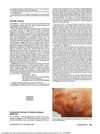 18 citations
,
March 1990 in “Archives of Dermatology”
18 citations
,
March 1990 in “Archives of Dermatology” Cyclosporine cleared a woman's resistant skin condition quickly and kept it away for over a year.
 9 citations
,
June 2013 in “Australasian Journal of Dermatology”
9 citations
,
June 2013 in “Australasian Journal of Dermatology” Infliximab improved skin and bowel symptoms in Crohn's disease but caused side effects and the disease returned after stopping treatment.
 April 2023 in “The journal of investigative dermatology/Journal of investigative dermatology”
 People with alopecia areata have fewer IL-10 producing immune cells, which might contribute to the condition.
1 citations
,
May 2023 in “The Journal of Dermatology” Allergen-specific immunotherapy can significantly improve hair loss and dermatitis symptoms in severe cases.
7 citations
,
April 2013 in “International Journal of Rheumatic Diseases” Etanercept improved arthritis and psoriasis but caused hair loss, which healed after switching to sulfasalazine.
 1 citations
,
February 2018 in “Orthopedics and rheumatology”
1 citations
,
February 2018 in “Orthopedics and rheumatology” Combining Western chemotherapy with Traditional Chinese Medicine can reduce side effects and improve immune response in treating bone and soft tissue tumors.
 1 citations
,
March 2017 in “Al-maǧallaẗ al-’irāqiyyaẗ li-l-’ulūm al-ṣaydalāniyyaẗ/Iraqi journal of pharmaceutical sciences”
1 citations
,
March 2017 in “Al-maǧallaẗ al-’irāqiyyaẗ li-l-’ulūm al-ṣaydalāniyyaẗ/Iraqi journal of pharmaceutical sciences” Nutrient antioxidants helped reduce prednisolone dosage and improved hair growth in alopecia areata patients.
 November 2025 in “Mendeley Data”
 JAK inhibitors can be safely used in alopecia areata patients with latent hepatitis B or tuberculosis, with proper monitoring.
 October 2023 in “Regular and Young Investigator Award Abstracts”
 Baricitinib treatment helped reduce hair loss symptoms in mice by decreasing inflammation-related immune cells.
2 citations
,
May 2024 in “Expert Opinion on Drug Safety” Infections during JAK inhibitor treatment for alopecia areata are usually manageable and rarely stop treatment permanently.
July 2025 in “Ultrasound in Medicine & Biology” UTMD with diclofenac and Doxil® improves cancer treatment by boosting immune response and reducing tumor-supporting cells.
41 citations
,
January 2006 in “Dermatology” Noncultured epidermal cell transplantation is effective for repigmenting stable vitiligo.
36 citations
,
May 2020 in “Journal of the European Academy of Dermatology and Venereology” Dermatologists should watch for skin symptoms in COVID-19 patients, prioritize urgent cases, and use telemedicine.
Ruxolitinib cream shows promise for vitiligo, and early melanoma diagnosis is crucial.
1 citations
,
January 2019 in “PubMed” A woman developed a hair disorder after a bone marrow transplant, which improved with treatment.
 25 citations
,
July 1994 in “Archives of Dermatology”
25 citations
,
July 1994 in “Archives of Dermatology” A man's skin condition, pemphigus vulgaris, came back after he was treated with interleukin 2 for cancer.
April 2023 in “Journal of Investigative Dermatology” IL-17 plays a key role in severe hair loss in chronic alopecia areata.
89 citations
,
March 1996 in “Proceedings of the National Academy of Sciences” CD18-deficient mice developed psoriasis-like skin disease, useful for studying inflammatory skin disorders.
 22 citations
,
December 1998 in “Dermatologic Surgery”
22 citations
,
December 1998 in “Dermatologic Surgery” A new storage solution may increase hair transplant graft survival.
 27 citations
,
April 2018 in “Journal of autoimmunity”
27 citations
,
April 2018 in “Journal of autoimmunity” iNKT cells can help prevent and treat alopecia areata by promoting hair regrowth.
 July 2025 in “International Journal of Pharmaceutical Sciences Review and Research”
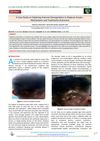
 Individualized treatment and psychological support improved the patient's quality of life and appearance despite medication side effects.
6 citations
,
December 2015 in “Journal of Dermatological Case Reports” Intradermal testing can better detect corticosteroid allergies than patch testing.