 August 2016 in “Journal of Investigative Dermatology”
 Blocking the CCR5 receptor may be a new way to treat hair loss from alopecia areata.
 February 2023 in “Acta Scientific Women s Health”
 New treatments like PBMC, G-CSF, and PRP show promise for helping with repeated implantation failure.
August 2021 in “The journal of investigative dermatology/Journal of investigative dermatology” TAGX-0003 protected hair follicles and reversed alopecia areata in a mouse model.
 60 citations
,
June 1997 in “Drugs & Aging”
60 citations
,
June 1997 in “Drugs & Aging” Mitoxantrone with a corticosteroid helps manage symptoms for some advanced prostate cancer patients but doesn't extend life.
November 2025 in “Skin Appendage Disorders” Immune cell-targeting biologics show potential for treating alopecia areata but need better-targeted therapies.
 May 2025 in “International Journal of Science and Research (IJSR)”
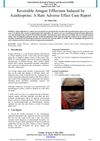
 Stopping azathioprine led to full hair regrowth and recovery in 2.5 months.
January 2005 in “Chinese Journal of Aesthetic Medicine” The combined hair transplant technique was effective and had high patient satisfaction.
 4 citations
,
April 2010 in “Expert review of dermatology”
4 citations
,
April 2010 in “Expert review of dermatology” Restoring immune privilege in hair follicles could help treat certain types of hair loss.
3 citations
,
July 2024 in “Archives of Dermatological Research” Oral ritlecitinib and baricitinib are promising treatments for severe alopecia areata due to their balance of effectiveness and safety.
1 citations
,
October 2019 in “Journal of Thoracic Oncology” Chemotherapy adds to, but doesn't enhance, the effects of immunotherapy in lung cancer treatment.
 1 citations
,
March 2019 in “Journal of Interdisciplinary Medicine”
1 citations
,
March 2019 in “Journal of Interdisciplinary Medicine” A patient with multiple sclerosis developed skin reactions after Daclizumab treatment, requiring more data on the drug's effects.
 September 2017 in “The journal of investigative dermatology/Journal of investigative dermatology”
 Blocking CCR5 can prevent and improve hair loss in alopecia areata.
 January 2022 in “Cellular and Molecular Biology”
 Adding Triamcinolone to the anesthetic can reduce swelling after hair transplants, and using Platelet-Rich Plasma can improve hair thickness and patient satisfaction. The SRD5A2 gene also plays a key role in the success of hair transplants.
May 2018 in “Dermatologic Surgery” 15 citations
,
August 2002 in “British Journal of Ophthalmology” Intralesional cidofovir might be a viable alternative treatment for certain conditions.
 2 citations
,
January 2026 in “Frontiers in Endocrinology”
2 citations
,
January 2026 in “Frontiers in Endocrinology” Next-generation Treg therapies could help achieve lasting immune tolerance in type 1 diabetes.
 March 2014 in “Journal of The American Academy of Dermatology”
 Azathioprine treatment led to rapid hair regrowth in a woman with alopecia universalis.
 2 citations
,
January 2021 in “Case reports in endocrinology”
2 citations
,
January 2021 in “Case reports in endocrinology” The girl's condition improved with treatment, showing no new autoimmune diseases and hair regrowth.
 June 2022 in “Frontiers in Immunology”
 Tofacitinib regrew hair in a man with total hair loss but raised cytokine levels, needing more research on possible side effects.
 March 2006 in “Drug Discovery Today: Therapeutic Strategies”
 The 2006 editorial concluded that immunotherapy was advancing with new drugs, focusing on specific biological therapies and convenient oral treatments, and highlighted the importance of partnerships and new regulations in the field.
September 2003 in “International Society of Hair Restoration Surgery” Transplanted hair keeps growing like it did in the donor area.
39 citations
,
March 2008 in “British Journal of Dermatology” Etanercept may cause lichen planopilaris, so doctors should be cautious.
10 citations
,
January 2023 in “SAGE Open Medical Case Reports” Upadacitinib may effectively treat both alopecia universalis and Crohn's disease.
 April 2023 in “Journal of Investigative Dermatology”
 Cyclosporin A, a drug, reduces TGF-β2 expression in skin cells, potentially causing excessive hair growth through a process involving the calcineurin/NFAT pathway.
14 citations
,
August 2019 in “Dermatologic Therapy”  77 citations
,
April 1999 in “Dermatologic Clinics”
77 citations
,
April 1999 in “Dermatologic Clinics” The document concludes that follicular unit transplantation offers more natural results and better graft survival than older hair transplant methods.
 1 citations
,
October 2010 in “Faṣlnāmah-i bīmārīhā-yi pūst”
1 citations
,
October 2010 in “Faṣlnāmah-i bīmārīhā-yi pūst” Methotrexate with corticosteroids can help regrow hair in severe alopecia areata but may cause relapses and side effects.
 10 citations
,
October 2015 in “Journal of the International Association of Providers of AIDS Care”
10 citations
,
October 2015 in “Journal of the International Association of Providers of AIDS Care” A woman with HIV had a severe skin condition that improved with antiretroviral therapy.
 March 2020 in “Poster presentations”
 Accurate diagnosis of SLE requires extensive testing due to its complex symptoms.
May 2024 in “Indian Journal of Pharmacology” Tofacitinib effectively regrew scalp hair in an 11-year-old girl with alopecia areata.