July 2025 in “Journal of Investigative Dermatology” Tissue-engineered skin substitutes can model junctional epidermolysis bullosa and may help develop gene therapy.
 January 2025 in “International Journal of Dermatology Research”
 Higher MPV and CRP levels may indicate more severe alopecia areata.
 18 citations
,
November 2018 in “Annals of the Academy of Medicine Singapore”
18 citations
,
November 2018 in “Annals of the Academy of Medicine Singapore” Sulfasalazine can cause severe allergic reactions leading to long-term autoimmune issues like hair loss and skin discoloration.
 13 citations
,
October 2015 in “Journal of the European Academy of Dermatology and Venereology”
13 citations
,
October 2015 in “Journal of the European Academy of Dermatology and Venereology” The document concludes that early recognition and appropriate treatment of red scalp, red ear, and red scrotum syndromes can lead to remission.
5 citations
,
May 2015 in “The Journal of Dermatology” Topical corticosteroids can help treat severe alopecia areata when other treatments fail.
1 citations
,
October 2025 in “Journal of Dermatological Treatment” Dupilumab improves eczema in Netherton Syndrome but not ichthyosis linearis circumflexa.
 April 2019 in “Journal of Investigative Dermatology”
 Many patients with autoimmune blistering skin disorders change their diets, avoiding foods like alcohol, citrus, and spices, and some find vegetables and dairy helpful.
 3 citations
,
February 2016 in “Pediatric dermatology”
3 citations
,
February 2016 in “Pediatric dermatology” Strong skin creams work well for long-term scalp inflammation in Rapp-Hodgkin Ectodermal Dysplasia.
 March 2026 in “Frontiers in Medicine”
 New therapies for rare skin diseases show promise but need more research.
May 2025 in “Journal of the European Academy of Dermatology and Venereology” Etrasimod is safe but not effective for severe alopecia areata, though it may help milder cases.
 April 2016 in “Journal of Investigative Dermatology”
 Microneedle arrays deliver botulinum toxin effectively for sweat suppression, similar to injections.
 10 citations
,
March 2022 in “Communications biology”
10 citations
,
March 2022 in “Communications biology” A new non-invasive method can analyze skin mRNA to understand skin diseases better.
16 citations
,
February 2019 in “Journal of Cellular and Molecular Medicine” Researchers created a rat model to study skin damage caused by radiation, which could help develop new treatments.
 5 citations
,
January 2017 in “Clinics in Dermatology”
5 citations
,
January 2017 in “Clinics in Dermatology” Skin symptoms without a medical cause often reflect psychological stress and are influenced by culture, requiring a team approach for treatment.
Early identification of lupus through skin signs and blood tests is crucial in India.
50 citations
,
April 2021 in “Frontiers in Immunology” New therapies targeting skin neuroimmune interactions could treat neuropathic pain.
2 citations
,
December 2017 in “The journal of investigative dermatology. Symposium proceedings/The Journal of investigative dermatology symposium proceedings” The conclusion is that a new method could improve the identification of autoimmune targets in alopecia areata, despite some limitations.
 10 citations
,
August 2016 in “Oxford Medical Case Reports”
10 citations
,
August 2016 in “Oxford Medical Case Reports” Tocilizumab therapy may cause skin and hair conditions like halo naevi, vitiligo, and alopecia areata.
1 citations
,
November 2023 in “SKIN The Journal of Cutaneous Medicine” July 2022 in “Journal of Investigative Dermatology”  February 1990 in “Journal of The American Academy of Dermatology”
 New skin treatments in 1987-1988 showed effectiveness for various conditions, but some had side effects or risks.
 January 2026 in “SKIN The Journal of Cutaneous Medicine”
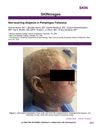
 Rituximab treatment led to complete hair regrowth and improved skin in a woman with pemphigus foliaceus.
 October 2014 in “Aktuelle Dermatologie”
 Older men with scalp wounds had long-term healing problems after using imiquimod or diclofenac for skin cancer prevention.
 April 2023 in “The journal of investigative dermatology/Journal of investigative dermatology”
 Intravenous methylprednisolone helped over half of alopecia areata patients regrow hair, but many relapsed.
July 2026 in “Journal of Dermatological Treatment” Excimer laser therapy may help improve scarring alopecia symptoms and hair appearance.
July 2025 in “Journal of Investigative Dermatology” Monocyte-derived dendritic cells play a key role in UVB-induced skin sensitivity and inflammation.
December 2023 in “International Journal of Dermatology” February 2023 in “Biological and Clinical Sciences Research Journal” Chemotherapy often causes hair loss, mouth sores, and dry skin.
21 citations
,
December 2005 in “The journal of investigative dermatology/Journal of investigative dermatology” T-cells in alopecia areata scalp show abnormal regulation, leading to less inflammation.
 306 citations
,
April 2019 in “International Journal of Molecular Sciences”
306 citations
,
April 2019 in “International Journal of Molecular Sciences” The skin has a complex immune system that is essential for protection and healing, requiring more research for better wound treatment.