 February 2026 in “ImmunoTargets and Therapy”
 Tumor immunotherapy can cause hair loss by disrupting hair follicle immunity.
 122 citations
,
November 1984 in “Journal of the American Academy of Dermatology”
122 citations
,
November 1984 in “Journal of the American Academy of Dermatology” No single treatment is consistently effective for alopecia areata, and more research is needed.
 1 citations
,
May 2017 in “InTech eBooks”
1 citations
,
May 2017 in “InTech eBooks” The document concludes that alopecia areata is an unpredictable autoimmune hair loss condition with no cure, but various treatments exist that require personalized approaches.
No cure exists for alopecia areata; treatments aim to manage symptoms.
44 citations
,
April 2017 in “International Journal of Dermatology” No treatment is completely effective for alopecia totalis and alopecia universalis.
 1 citations
,
September 2020 in “Cochrane library (CD-ROM)”
1 citations
,
September 2020 in “Cochrane library (CD-ROM)” The analysis aims to identify the most effective and safest treatments for alopecia areata.
 118 citations
,
April 1998 in “Dermatologic Clinics”
118 citations
,
April 1998 in “Dermatologic Clinics” Finasteride and minoxidil are effective for hair regrowth, while treatments for alopecia areata have varying success and continuous treatment is necessary.
July 2026 in “Cosmoderma” Tapering and stopping tofacitinib may be possible for young alopecia areata patients.
 February 2026 in “Libri Oncologici Croatian Journal of Oncology”
 Imiquimod shows promise as a non-invasive treatment for certain HPV-related lesions, but more research is needed to optimize its use.
 September 2022 in “Dermatology and therapy”
 Contact immunotherapy might help treat various skin conditions, but more research is needed to confirm its safety and effectiveness.
Lasers and light therapy are effective for treating skin conditions like hair loss, vitiligo, psoriasis, and molluscum contagiosum.
 13 citations
,
June 2010 in “Journal of dermatological treatment”
13 citations
,
June 2010 in “Journal of dermatological treatment” Diphencyprone is effective for treating patchy hair loss in alopecia areata, but tacrolimus is not.
 December 2024 in “Dermatological Reviews”
 New treatments for Alopecia Areata, like JAK inhibitors, are effective, and future research is exploring advanced therapies.
Different hair and nail conditions can indicate health issues and have specific treatments; accurate diagnosis is crucial before treatment.
Use the least toxic, most specific treatments for skin diseases, considering side effects and individual patient needs.
 1 citations
,
January 2015 in “Springer eBooks”
1 citations
,
January 2015 in “Springer eBooks” The document says a skin condition called alopecia areata causes hair loss and stress, and is treated with strong skin creams, injections, or other therapies, but treatment success varies.
 76 citations
,
July 2011 in “Clinical, Cosmetic and Investigational Dermatology”
76 citations
,
July 2011 in “Clinical, Cosmetic and Investigational Dermatology” The document concludes that proper diagnosis and FDA-approved treatments for different types of hair loss exist, but treatments for severe cases often fail and future improvements may focus on hair follicle stem cells.
August 2025 in “Dermatology Reports” Melanoma research shifted focus to immunotherapy drugs after 2010, increasing their study and citations.
5 citations
,
January 2024 in “Egyptian Dental Journal /Egyptian Dental Journal” Anti-cancer drugs are diverse and hard to classify due to their different forms and actions.
 4 citations
,
January 2018 in “Cancer treatment and research”
4 citations
,
January 2018 in “Cancer treatment and research” The document concludes that systemic therapy is becoming more important in treating head and neck cancer, with new treatments showing promise.
44 citations
,
November 2022 in “Frontiers in Immunology” TLR-targeted therapies show promise in cancer treatment by helping destroy tumors.
 2 citations
,
January 2018 in “Elsevier eBooks”
2 citations
,
January 2018 in “Elsevier eBooks” Targeted therapies for lung cancer are effective but require careful management of side effects to benefit patients.
 18 citations
,
December 1996 in “Seminars in Cutaneous Medicine and Surgery”
18 citations
,
December 1996 in “Seminars in Cutaneous Medicine and Surgery” Chemotherapy and cytokine therapy can cause various skin reactions, including hair loss and hypersensitivity.
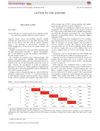 1 citations
,
August 2019 in “Australasian journal of dermatology”
1 citations
,
August 2019 in “Australasian journal of dermatology” Immunotherapy can help treat severe alopecia areata.
 February 2026 in “Frontiers in Medicine”
 Topical immunotherapy is still effective for managing alopecia areata, even with new treatments available.
 January 2024 in “Wiadomości Lekarskie”
 Enhancing immune response can improve cancer treatment effectiveness.
 45 citations
,
January 2010 in “International journal of trichology”
45 citations
,
January 2010 in “International journal of trichology” Topical immunotherapy, especially with DPCP, is effective for treating severe alopecia areata.
 July 2025 in “Frontiers in Medicine”
 Topical immunotherapy can help with severe hair loss, but results vary and need personalized, long-term treatment.
 148 citations
,
April 2009 in “Molecular Pharmaceutics”
148 citations
,
April 2009 in “Molecular Pharmaceutics” Researchers developed promising agents for prostate cancer imaging, with the best one showing high potential for clinical use.
 January 2024 in “Dermatology practical & conceptual”
 Atopic dermatitis in kids with alopecia areata can predict poor response to topical immunotherapy.