 August 2015 in “Arquivo Brasileiro de Medicina Veterinária e Zootecnia/Arquivo brasileiro de medicina veterinária e zootecnia”
 Caffeine intake during pregnancy and lactation can cause skin lesions in mother rats and their babies, not linked to cortisol levels.
 July 2015 in “Journal of evolution of medical and dental sciences”
 The most common skin diseases found were contact dermatitis, scabies, fungal infections, urticaria, and acne, highlighting the need for better public health policies and awareness.
 April 2015 in “Cambridge University Press eBooks”
 Many women experience sexual dysfunction, but few seek help, and better treatment and medical training are needed.

The document explains how certain drugs block hormones to treat cancers like breast and prostate cancer.
 October 2014 in “Our Dermatology Online”
 Parents often know about skin care, but children with less educated, lower-income parents have more skin problems.
 July 2014 in “Plastic and Reconstructive Surgery”
 The document concludes that rib-sparing techniques in breast reconstruction have limited benefits, sentinel lymph node biopsy is needed for desmoplastic melanoma, certain hair preservation methods improve graft survival, partial turbinectomy effectively reduces nasal obstruction, nipple shields with irrigation may reduce capsular contracture, and thicker malignant melanomas have a higher risk of non-skin cancers.
 July 2014 in “Plastic and Reconstructive Surgery”
 The document concludes that rib-sparing techniques in breast reconstruction have limited benefits, sentinel lymph node biopsy is needed for desmoplastic melanoma, certain hair preservation methods improve graft survival, partial turbinectomy effectively reduces nasal obstruction, nipple shields with irrigation may reduce capsular contracture, and thicker malignant melanomas have a higher risk of non-skin cancers.
 July 2014 in “Plastic and Reconstructive Surgery”
 The rib-sparing technique in breast reconstruction may lead to more complications without reducing the need for further surgery.
 July 2014 in “Plastic and Reconstructive Surgery”
 The rib-sparing technique in breast reconstruction may lead to more complications without reducing the need for further surgery.
 November 2013 in “International Journal of Dermatology”
 New skin lesions on the scrotum or vulva in patients with a history of internal cancer could indicate rare skin metastasis.
 November 2013 in “Dalhousie Medical Journal”
 Cutaneous lupus erythematosus is a common skin condition in lupus, affecting mostly young adult females.
October 2013 in “The American Journal of Gastroenterology” Colonic lipomas can cause complications like intussusception, requiring surgery if symptoms occur.
 June 2013 in “Annals of the rheumatic diseases”
 Methotrexate dose has little effect on its toxicity when used with adalimumab for early rheumatoid arthritis.
 May 2013 in “Hair transplant forum international”
 A man had hiccups for several days after a hair transplant, likely due to medication or nerve irritation, but they stopped on their own.
April 2013 in “The FASEB Journal” Dutasteride showed some prevention of prostate issues but also had limitations, especially with high-grade tumors.
March 2013 in “Faculty Opinions – Post-Publication Peer Review of the Biomedical Literature” Prostate cancer screening doesn't significantly reduce death rates and has risks like overdiagnosis and side effects.
 August 2012 in “Pharmaceutical Medicine”
 The document concludes that various medications and treatments can have significant, sometimes adverse, effects on health outcomes.
 February 2012 in “Expert Review of Endocrinology & Metabolism”
 The document suggests more research is needed to understand the link between baldness and prostate cancer.
 January 2012 in “S. Karger AG eBooks”
 The document concludes that transsexual individuals often experience improved quality of life after transitioning, despite higher risks of psychiatric issues and mortality.
 January 2012 in “Postgraduate obstetrics & gynecology”
 Up to 50% of women may experience significant hair loss by age 50, with various causes and treatments available.
January 2012 in “Chinese Clinical Oncology” Disodium folinate can safely and effectively replace calcium folinate in colorectal cancer treatment.
 November 2011 in “Australasian Journal of Dermatology”
 Cellulite may be linked to low adiponectin, isotretinoin with UVB can treat psoriasis effectively, permanent alopecia post-chemotherapy resembles a unique hair loss, deodorants may cause fragrance allergies, desmoplastic melanoma is becoming more common, and intensive UVB treatment can give long-term psoriasis remission.
 October 2011 in “Dermato-endocrinology”
 Hormones significantly affect skin health, with vitamin D playing a key role.
 March 2011 in “European Urology Supplements”
 Blood tests for tumor cells could improve prostate cancer diagnosis and treatment; hair loss severity linked to a gene affecting prostate conditions.
January 2011 in “National Medical Frontiers of China” Elderly SLE patients show fewer typical symptoms and more hormonal side effects.
Tamsulosin and finasteride together effectively slow down and prevent BPH progression.
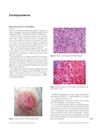 October 2010 in “International Journal of Dermatology”
 An 86-year-old man with prostate cancer was diagnosed with a rare, low-grade breast cancer and underwent surgery but declined additional hormone therapy.
 September 2010 in “European Urology Supplements”
 Higher urethral PSA levels after prostate removal surgery may be linked to more hair loss and higher PSA levels post-surgery.
Dutasteride reduces prostate cancer risk by 23% in high-risk men.
November 2009 in “Cambridge University Press eBooks” Hair restoration surgery is generally safe, but emergency preparedness is crucial.