 273 citations
,
May 2017 in “The Lancet”
273 citations
,
May 2017 in “The Lancet” Some drugs can cause rare but potentially deadly skin reactions, and early treatment and avoiding the drug again are key.
 196 citations
,
March 2016 in “Nature Communications”
196 citations
,
March 2016 in “Nature Communications” Genetic factors influence hair traits like shape, color, and greying in Latin Americans.
 164 citations
,
April 2008 in “Cochrane library”
164 citations
,
April 2008 in “Cochrane library” Current treatments for alopecia show no significant long-term benefits.
 157 citations
,
August 2010 in “Lupus”
157 citations
,
August 2010 in “Lupus” The document concludes that recognizing and treating cutaneous lupus erythematosus early is crucial for managing the skin and potential systemic symptoms.
 151 citations
,
February 2007 in “International Journal of Dermatology”
151 citations
,
February 2007 in “International Journal of Dermatology” Alopecia areata causes hair loss, has no cure, and various treatments exist.
 126 citations
,
April 2015 in “Clinical, cosmetic and investigational dermatology”
126 citations
,
April 2015 in “Clinical, cosmetic and investigational dermatology” Choosing the right patients, using proper techniques, and having thorough knowledge are key to preventing and managing dermal filler complications.
 87 citations
,
July 2018 in “Biochimica et Biophysica Acta (BBA) - Molecular Cell Research”
87 citations
,
July 2018 in “Biochimica et Biophysica Acta (BBA) - Molecular Cell Research” Mice studies show that Protein Phosphatase 2A is crucial for cell growth, development, and disease prevention.
 86 citations
,
December 2001 in “Experimental dermatology”
86 citations
,
December 2001 in “Experimental dermatology” Mutant mice help researchers understand hair growth and related genetic factors.
 50 citations
,
November 2010 in “Plastic and Reconstructive Surgery”
50 citations
,
November 2010 in “Plastic and Reconstructive Surgery” Botox increased hair count in men with baldness and might work by improving scalp blood flow.
 29 citations
,
June 2013 in “Journal of the Saudi Society of Dermatology & Dermatologic Surgery”
29 citations
,
June 2013 in “Journal of the Saudi Society of Dermatology & Dermatologic Surgery” Alopecia areata is an autoimmune hair loss condition treated with corticosteroids, and histologic confirmation is the best diagnosis method.
 28 citations
,
February 2010 in “British journal of dermatology/British journal of dermatology, Supplement”
28 citations
,
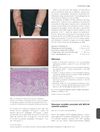
February 2010 in “British journal of dermatology/British journal of dermatology, Supplement” WNT10A mutations cause varied symptoms in patients with odonto-onycho-dermal dysplasia.
 18 citations
,
July 2001 in “Australian veterinary journal”
18 citations
,
July 2001 in “Australian veterinary journal” A cat with skin bumps and itching had high blood fats and skin infections, which improved with diet and medication changes.
 16 citations
,
July 2021 in “Histopathology”
16 citations
,
July 2021 in “Histopathology” New markers and pathways have been found in skin tumors, helping better understand and diagnose them.
 13 citations
,
May 2022 in “Cell discovery”
13 citations
,
May 2022 in “Cell discovery” The study found new details about human hair growth and suggests that preventing a specific biological pathway could potentially treat hair graying.
 11 citations
,
August 2010 in “Journal of Dermatology”
11 citations
,
August 2010 in “Journal of Dermatology” Hair transplantation can effectively treat stable eyebrow hair loss in alopecia areata patients.
 9 citations
,
July 2017 in “Journal of medical case reports”
9 citations
,
July 2017 in “Journal of medical case reports” Ruxolitinib treatment may cause eyelash growth.
 9 citations
,
July 2014 in “Facial Plastic Surgery”
9 citations
,
July 2014 in “Facial Plastic Surgery” Endoscopic-assisted facelifting is safe and effective with minimal complications and excellent long-term results.
 8 citations
,
July 2008 in “Facial Plastic Surgery Clinics of North America”
8 citations
,
July 2008 in “Facial Plastic Surgery Clinics of North America” More men are getting non-surgical cosmetic treatments due to increased income and social acceptance, with less invasive options being preferred.
 6 citations
,
April 2017 in “InTech eBooks”
6 citations
,
April 2017 in “InTech eBooks” New insights on headaches include genetics, smartphone impact, and botulinum toxin treatment.
 5 citations
,
August 2024 in “Clinical & Translational Oncology”
5 citations
,
August 2024 in “Clinical & Translational Oncology” Breast cancer patients should balance treatment with safe wellness practices to improve quality of life, consulting their oncologist first.
 4 citations
,
August 2013 in “Case reports in dermatology”
4 citations
,
August 2013 in “Case reports in dermatology” A patient with total hair loss developed vitiligo after using a treatment called DCP.
 3 citations
,
January 2019 in “Elsevier eBooks”
3 citations
,
January 2019 in “Elsevier eBooks” Pharmacists should interpret lab data and perform physical exams to improve patient care.
 3 citations
,
July 2017 in “Elsevier eBooks”
3 citations
,
July 2017 in “Elsevier eBooks” Skin reactions are a common reason for emergency visits due to drug allergies, with some severe cases needing intensive care.
 1 citations
,
June 2023 in “Advances in therapy”
1 citations
,
June 2023 in “Advances in therapy” Ripretinib is effective and safe for treating advanced GIST in Chinese patients, particularly for non-gastric GISTs.
 1 citations
,
November 2014
1 citations
,
November 2014 The document explains hair and nail biology, common hair loss conditions and treatments, oral and genital skin diseases, and the risks and treatments associated with squamous cell carcinoma.
 April 2026 in “Health Sciences Quarterly”
 Many skin issues in hospitalized adults go unnoticed, needing better checks and teamwork.
 March 2026 in “American Journal of Clinical Dermatology”
 Cancer survivors need better skin care to improve their quality of life.
 March 2026 in “Aesthetic Plastic Surgery”
 AI is revolutionizing non-surgical cosmetic procedures by improving personalization, safety, and access.
 February 2026 in “Frontiers in Immunology”
 Tralokinumab for atopic dermatitis may cause eye issues and skin reactions, needing careful monitoring.

Elderly skin care needs personalized treatment, early intervention, and integrated psychiatric care.