15 citations
,
September 2018 in “Frontiers in Plant Science” BcFLA1 protein is crucial for root hair growth in response to low phosphate in Brassica carinata.
8 citations
,
April 1991 in “European journal of endocrinology” 3α-AdiolG is a good marker for androgen activity in women with excessive hair growth and decreases with anti-androgen treatment.
![Synthesis of Spiro[cyclohexane-1,2'-[2H]indene] Derivatives as Inhibitors of Steroid 5α-Reductase](/images/assets/d91300a7-4d66-4d2c-90ac-293b0dbc5ff5/small/21048.jpg) 8 citations
,
June 1995 in “Helvetica Chimica Acta”
8 citations
,
June 1995 in “Helvetica Chimica Acta” Compound 15a was effective in inhibiting 5α-reductase.
ILC1-like cells may contribute to hair loss in alopecia areata.
September 2003 in “Faculty Opinions – Post-Publication Peer Review of the Biomedical Literature” GLABRA2 gene controls root-hair growth by regulating phospholipid signaling.
 April 2017 in “Journal of Investigative Dermatology”
 SIG-1451 could be a promising new treatment for atopic dermatitis.
23 citations
,
March 2017 in “PTR. Phytotherapy research/Phytotherapy research” Butin is effective in treating vitiligo in mice.
37 citations
,
January 1986 in “Carcinogenesis” ODC expression in mouse skin and tumors is varied and can be inhibited by retinoic acid or cycloheximide.
 70 citations
,
February 2019 in “The journal of immunology/The Journal of immunology”
70 citations
,
February 2019 in “The journal of immunology/The Journal of immunology” Short-chain fatty acids from *Cutibacterium acnes* cause skin inflammation, contributing to acne.
5 citations
,
July 2017 in “Molecular Medicine Reports” Lygodium japonicum spores can reduce inflammation by blocking certain cell signals.
New substances were created that improve health and may treat dementia, osteoporosis, and cancer.
61 citations
,
September 2011 in “Pain” PEA reduces pain by increasing neurosteroid synthesis in the spinal cord.
CCC1 is essential for pH balance and normal cell function in plants.
November 2025 in “Journal of Investigative Dermatology” Keloid fibroblasts cause itch and pain by releasing more histamine.
 March 2023 in “Journal of Applied Biomedicine”
 Oleanolic acid improved hair growth in mice by affecting hair growth pathways and reducing inflammation.
9 citations
,
March 2018 in “International journal of molecular sciences” Allopregnanolone changes gene expression in glioblastoma cells.
17 citations
,
April 2006 in “Brain Research” 5α-reduced neurosteroids may help regulate glial cell differentiation.
37 citations
,
June 1996 in “Journal of cellular physiology” Retinoic acid, glucocorticoids, and IGF1 increase IGFBP-3 production in human dermal papilla cells, affecting hair growth.
15 citations
,
December 2020 in “The Journal of General Physiology” Acid can block TRPV3 from outside the cell but boost its function from inside.
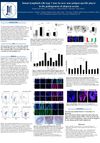
Innate lymphoid cells type 1 may contribute to alopecia areata by damaging hair follicles.
16 citations
,
March 2022 in “Clinica Chimica Acta” Idiopathic hirsutism may be linked to increased enzyme activity.
High CCL11 levels may indicate poor response to baricitinib in severe alopecia areata.
29 citations
,
January 2020 in “BioMed Research International” Sinapic acid may help fight obesity and promote hair growth.
 12 citations
,
June 2019 in “The journal of pharmacology and experimental therapeutics/The Journal of pharmacology and experimental therapeutics”
12 citations
,
June 2019 in “The journal of pharmacology and experimental therapeutics/The Journal of pharmacology and experimental therapeutics” Activating TRPV3 channels stops hair growth by killing hair follicle cells.
September 2023 in “Journal of the American Academy of Dermatology” Oral difelikefalin significantly reduces itch in notalgia paresthetica.
90 citations
,
February 2001 in “The journal of investigative dermatology/Journal of investigative dermatology” Interleukin-1 increases keratin K6 production in skin cells.
59 citations
,
September 2021 in “Journal of Allergy and Clinical Immunology” Netherton syndrome has two subtypes with shared immune traits but different allergic and immune responses, suggesting targeted treatments.
18 citations
,
February 2023 in “eLife” ILC1-like cells can independently cause alopecia areata.
 July 2023 in “bioRxiv (Cold Spring Harbor Laboratory)”
 Seeing trauma causes fear in mice by lowering their natural fear-reducing hormones.
 1 citations
,
October 2022 in “International journal of endocrinology”
1 citations
,
October 2022 in “International journal of endocrinology” Dihydrotestosterone changes some hormone-related gene expressions in rat pituitary glands but doesn't affect the estrous cycle.