 8 citations
,
March 2002 in “Archiv Der Pharmazie”
8 citations
,
March 2002 in “Archiv Der Pharmazie” The compound 4c effectively inhibits the enzyme linked to hair loss.
23 citations
,
June 2014 in “International Journal of Cosmetic Science” Glyoxylic acid is a safer alternative to formaldehyde for hair straightening and effectively changes hair structure.
1 citations
,
November 2022 in “International journal of trichology” A girl with a rare skin condition improved after one month of treatment with acitretin.
 1 citations
,
July 2022 in “Plant Cell, Tissue and Organ Culture (PCTOC)”
1 citations
,
July 2022 in “Plant Cell, Tissue and Organ Culture (PCTOC)” The study found that in Eclipta prostrata roots, coumestans come from acetate and shikimate pathways, and phenylpropanoid is made only through the shikimate pathway.
January 2007 in “동의생리병리학회지 = Journal of physiology & pathology in Korean Medicine” Biotae Orientalis extracts may help treat hair loss.
 January 2026 in “Frontiers in Immunology”
 Icariin can regulate macrophages and may help treat inflammation, cancer, bone disorders, and fibrotic diseases.
 1 citations
,
August 2024 in “Journal of Cutaneous and Aesthetic Surgery”
1 citations
,
August 2024 in “Journal of Cutaneous and Aesthetic Surgery” 65% TCA improves acne scars more but has more side effects than 50% GA.
3 citations
,
July 2024 in “Journal of Vascular Diseases” Ischemia-modified albumin can help diagnose ischemic conditions early, but better detection methods are needed.
 September 2023 in “Plant journal”
 A protein called GIS3 is important for the growth of root hairs in Arabidopsis by controlling two genes with the help of certain growth signals.
 March 2024 in “Organic letters”
 A new method efficiently modifies alkenes to create useful medicinal compounds.
 January 2023 in “Postępy Dermatologii i Alergologii”
 Azelaic acid treats acne, rosacea, and hyperpigmentation with minimal side effects.
3 citations
,
June 2024 in “Pharmacia” New isatin-gallate hybrids show promise as antioxidants, cancer treatments, and coronavirus inhibitors.
 April 2018 in “Journal of Investigative Dermatology”
 Nicotinic acid reduces excessive oil production in skin cells by activating a specific receptor, which could help treat acne.
January 2023 in “Rasayan journal of chemistry/Rasayan journal of Chemistry” Methyl pyropheophorbide A from Sansevieria trifasciata leaves may help treat hair loss.
 April 2019 in “The journal of investigative dermatology/Journal of investigative dermatology”
 HDAC inhibitors, like Vorinostat and Entinostat, can help regrow hair in alopecia areata.
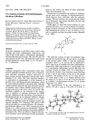 December 1998 in “Acta Crystallographica Section C-crystal Structure Communications”
 A new compound with strong antiandrogenic effects was found, potentially useful for treating conditions like acne and prostate cancer.
January 1980 in “Lluc: revista de cultura i d'idees” Agaricus bisporus β-Glucan particles could effectively treat cervical cancer and offer antimicrobial and antioxidant benefits.
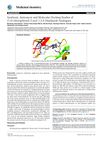 8 citations
,
January 2013 in “Medicinal chemistry”
8 citations
,
January 2013 in “Medicinal chemistry” The compound 4c showed strong potential as an anticancer agent.
 4 citations
,
January 1994 in “Yakugaku zasshi”
4 citations
,
January 1994 in “Yakugaku zasshi” EPC-K is stable except at very acidic pH or when exposed to sunlight, and it can decompose in low ethanol concentrations.
 72 citations
,
June 2019 in “International Journal of Cosmetic Science”
72 citations
,
June 2019 in “International Journal of Cosmetic Science” 18β-glycyrrhetinic acid from licorice root is good for skin and hair treatments but has absorption challenges.
1 citations
,
July 2021 in “Current nanomedicine” The new gel formulation for Acitretin improves topical delivery and reduces oral toxicity.
 18 citations
,
July 2022 in “Frontiers in Immunology”
18 citations
,
July 2022 in “Frontiers in Immunology” Volatile organic compounds can cause inflammation and increase the risk of autoimmune diseases.
57 citations
,
July 2000 in “Toxicology Letters” K6/ODC transgenic mice are effective for quickly identifying cancer-causing chemicals.
 11 citations
,
March 2013 in “Gene”
11 citations
,
March 2013 in “Gene” A certain genetic variation in the IL1A gene may lower the risk of a hair loss condition in Chinese people.
 10 citations
,
March 2014 in “Scandinavian journal of clinical and laboratory investigation”
10 citations
,
March 2014 in “Scandinavian journal of clinical and laboratory investigation” Malondialdehyde-modified DNA may trigger an immune response in alopecia areata patients.
 16 citations
,
April 2017 in “Journal of Cosmetic Dermatology”
16 citations
,
April 2017 in “Journal of Cosmetic Dermatology” Ficus carica leaf extract may help treat skin disorders by reducing inflammation and androgen effects in skin cells.
5 citations
,
July 2017 in “Molecular Medicine Reports” Lygodium japonicum spores can reduce inflammation by blocking certain cell signals.
 35 citations
,
September 2012 in “PloS one”
35 citations
,
September 2012 in “PloS one” Two distinct pathways direct proteins to vacuoles in Arabidopsis, affecting root hair growth and protein targeting.
1 citations
,
July 2023 in “International Journal of Pharmaceutical Sciences and Drug Research” The HPTLC method is effective and accurate for measuring linoleic and oleanolic acid in Eclipta alba.
July 2023 in “Belarusian State Pedagogical University repository (Belarusian State Pedagogical University)” Litchi twigs and leaves may help treat hair loss and reduce agricultural waste.